The morning began with the kind of calm that makes small routines feel grounding. I stepped into the garden with my watering can, moving from plant to plant as I always did, enjoying the quiet rhythm of tending to familiar soil and leaves.
Everything felt ordinary and comforting, the air still cool and the light soft. Then a strong, unfamiliar smell drifted through the space and brought me to a sudden stop. It did not resemble flowers, fresh grass, or damp earth. The scent was sharp, unusual, and impossible to ignore. My peaceful routine paused as my attention shifted entirely to finding its source.
I followed the smell slowly, moving closer to the flowerbed while scanning the ground for anything out of place. I expected to find something spilled, rotting plant matter, or signs of an animal passing through. What I saw did not match any of those thoughts.
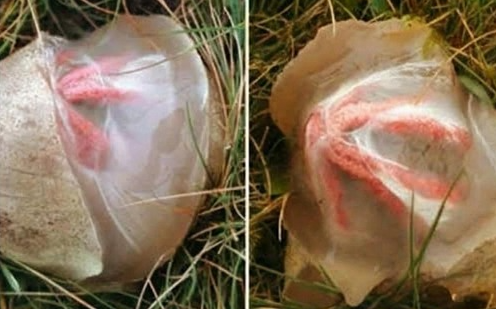
Near the base of the plants sat a small object that clearly did not belong. Its shape and color stood out against the soil, and the sight of it immediately changed the mood of the morning. Curiosity replaced comfort, and the garden felt less familiar than it had moments earlier.
I kept my distance at first. The object looked strange enough to make caution feel necessary, and I could not tell whether it was harmless or something best left untouched. I stood several steps away, watching it closely, half-expecting it to shift or react. The uncertainty made the moment feel tense. Curiosity slowly outweighed hesitation, and I leaned forward to get a clearer view, staying careful and alert. Even from closer range, it did not make sense to me. The longer I looked, the more questions surfaced, and not having answers made the discovery feel heavier.
Guessing brought no clarity, so I reached for my phone and took a photo. Searching online felt like the safest way to understand what I was seeing without making assumptions. As I read through descriptions and images, the situation became clearer. The object matched a type of naturally occurring fungus known for appearing suddenly, especially after moisture and warm conditions. The information explained the strong odor, the unexpected timing, and the unusual appearance. Every detail aligned with what sat in my garden. The realization brought relief, replacing unease with understanding.
Learning what it was changed how I viewed the entire moment. The object had not appeared due to neglect or danger. It was part of a natural process that often goes unnoticed until it announces itself in an unmistakable way. Once I understood that, the smell no longer felt threatening. It became an interesting detail rather than a problem. The garden returned to feeling like a place of discovery rather than uncertainty.
After putting my phone away, I stood quietly for a moment, taking in the scene again. The plants looked the same as they always had. The soil remained rich and dark. The only difference was my perspective. What began as a disruption turned into a lesson about how nature operates on its own schedule and follows patterns that are not always gentle or familiar.
That strange discovery did not ruin the morning. It reshaped it. The experience served as a reminder that unfamiliar sights and smells often feel unsettling due to a lack of context. Taking time to observe, research, and understand can shift that reaction into something calmer and more grounded. The garden offered something unexpected that day, and in doing so, it reinforced the value of patience and curiosity in moments that initially feel confusing.
By the time I returned to watering the plants, the rhythm of the routine felt restored. The garden felt familiar again, enriched by a small reminder that learning often arrives quietly, hidden among ordinary moments, waiting to be noticed.