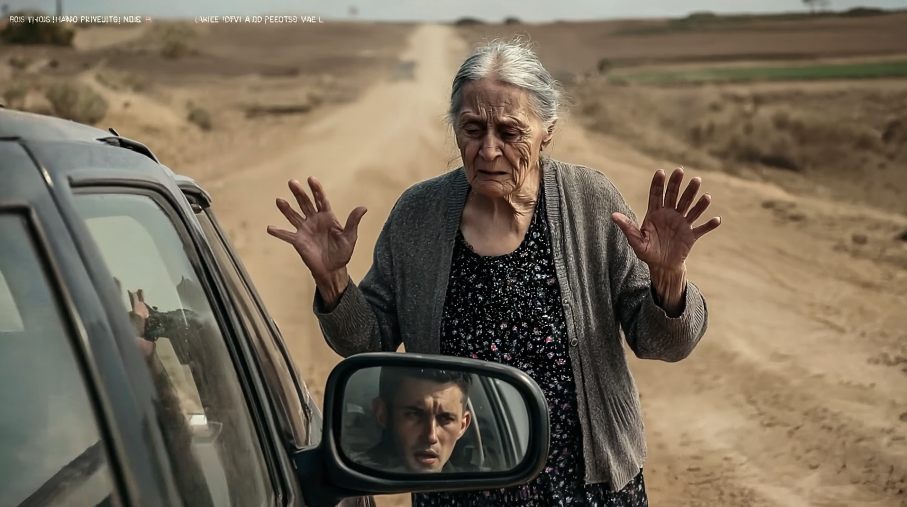
My name is Eleanor Grace Whitmore, and I am 68 years old.
For most of my life, I was a wife, a mother, and the quiet force behind Hazelbrook Orchards—our small, organic apple farm nestled in the Pennsylvania countryside.
My joints may ache now, but my hands still remember the rhythm of pruning trees at dawn with Richard, my husband. That rhythm ended three weeks ago, when I buried him.
Richard and I created everything here—this orchard, this home, this family. He passed away after a grueling 14-month struggle with pancreatic cancer.
He had chosen not to tell our children, Darren and Samantha, until the very end. “Let them enjoy their lives without this weight,” he’d whispered.
I had hoped his death might bring them closer, might stir in them memories of the love that had built this home. But when they came for the funeral, I didn’t see mourning children. I saw executives calculating assets.
The morning after the funeral, I sat at the kitchen table with two cups of coffee. They came down dressed as if for a board meeting.
“Mom,” Darren began, setting his mug down precisely. “We’ve been discussing things. It’s time to settle everything—the estate, the orchard, the house.”
“You can’t manage it alone,” he continued. “It’s not practical. And this house… It’s too much for you at your age.”
My age.
That word stung more than they realized. I had done everything on this farm—pruned trees, fixed irrigation, handled finances, and delivered apples to food banks across counties.
“We only want you to be comfortable,” Samantha said, voice smooth as if reading a brochure. “There’s a great retirement place, Sunnyvale Estates. Peaceful, warm, two hours south.”
Then Darren pulled out a folder. “Dad talked to me about this last year,” he said, sliding documents toward me. “He wanted Melissa and me to take over the orchard.”
I glanced at the paperwork. It was printed on Darren’s corporate letterhead. Richard’s signature was there—too flawless for a dying man.
“This didn’t come from our family lawyer,” I said.
“He was of sound mind when he signed it,” Darren said quickly.
“There’s also a developer interested,” Samantha chimed in. “Seven million for the land. We’d be set for life—and so would you.”
Sell the orchard? Destroy decades of labor and love? Turn fields into driveways and sidewalks? “You’re talking about erasing your father’s legacy,” I said quietly.
“Be realistic, Mom,” Darren replied. “It’s not sustainable forever.”
A fire lit inside me. “Show me the will,” I said.
He pushed the forged document toward me again. I didn’t touch it. “I’m going to bed,” I said calmly. But I knew there’d be no further discussion. They had already made plans.
The next morning, they stood by the door with coats on and a suitcase packed—not mine.
“We thought we’d drive you to Sunnyvale today,” Samantha said cheerfully. “To look around.”
“I’m not going to any retirement community,” I said firmly.
Darren checked his watch. “The paperwork’s done. The deal closes next week. You can’t stay here.”
“This is my home,” I said.
“It’s all of ours now,” he replied. “Dad left it to us. It’s time.”
I said I needed to grab my medications and family photos. Upstairs, I collected my pills—and something more. Hidden behind the medicine cabinet’s panel was my passport and birth certificate.
In a fireproof box, tucked behind Richard’s old shirts, was the original deed to 20 acres of land—purchased in my maiden name before marriage. Land with full water rights. Land critical to any developer’s plan.
My purse was heavier when I came down, but I acted subdued.
They thought they had won. We drove past the fields just beginning to green, but Darren turned down a deserted road instead of the highway.
Twenty minutes later, he stopped. “This is your stop, Mom,” he said without emotion.
Samantha hesitated. “Darren, what are you doing?”
“She’ll fight us legally. This is cleaner. She has her meds and clothes. There’s a gas station five miles up.”
He opened my door and left me standing alone with a suitcase.
Or so they believed.
As their car vanished in a trail of dust, I stood in the stillness, not afraid. Not broken. Only free. I walked—not toward the gas station, but toward town.
In my purse was the deed to the only parcel with water access. Richard had called it our “in case” safety net.
Now, it was my shield. Without that water, the land couldn’t be developed, irrigated, or sold.
After a long walk, I arrived at Miller’s Gas & Grocery. Ray Miller, who’d known me for decades, stepped from behind the counter.
“Mrs. Whitmore, are you well?”
“Resting, Ray. It’s been a long day.” He let me use the phone. I called our family lawyer, Harold Jennings.
“Eleanor?” he said, surprised. “I’ve been trying to reach you. Darren brought me a will that doesn’t match Richard’s file.”
“I need your help,” I said. “And your confidentiality.”
“You have both.”
I met him an hour later and explained everything—the funeral, the fake documents, the roadside abandonment. When I handed over the deed, he studied it carefully.
“This isn’t land,” Harold said. “This is power. They can’t build without it.”
“I want my home back,” I said. “And I want them to understand what they’ve done.”
The next day, Harold filed for an emergency injunction.
Legal notices went out. The developer panicked once they realized their deal was worthless without the water rights.
That evening, a message from Samantha arrived: Mom, please call. Darren’s freaking out. We didn’t know about the other land. Let’s talk.
There was no apology, only fear. I didn’t answer. Everything went through Harold now.
I didn’t return to the orchard. I rented a modest apartment above the bakery. I had a balcony, a chair, and my peace.
I began teaching quilting again, offering organic farming workshops. I donated the water rights to a trust for local farmers. The land remained alive—like Richard would have wanted.
They underestimated me. But I remembered who I was—before wife, before widow—I was Eleanor Grace. And I hadn’t lost a thing. I’d simply taken it all back.