Brain health is a fundamental aspect of the well-being of the entire family. Identifying warning signs and seeking medical help quickly can prevent a tragedy. A brain aneurysm is a condition that can occur at any age, and understanding its symptoms is essential to taking action in time.
What is a brain aneurysm?
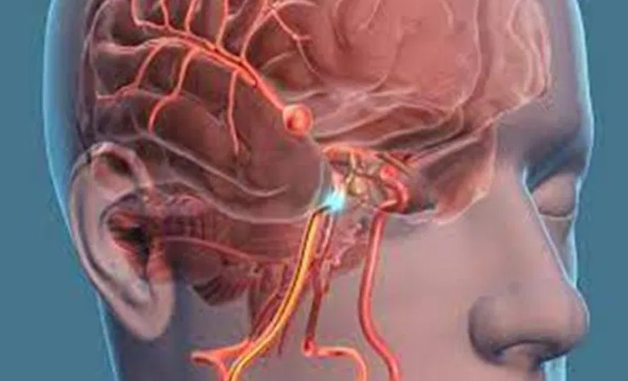
A brain aneurysm occurs when there is a weakening in the wall of a blood vessel in the brain, leading to the formation of a bubble. This bubble can remain stable or rupture, causing a brain hemorrhage. The severity of the condition depends on the location and size of the affected vessel.
When the aneurysm ruptures, internal bleeding occurs in the brain, which can be fatal or cause serious damage. However, even an unruptured aneurysm can press on brain structures, causing serious symptoms.
Headache: the main symptom

People who have survived a brain aneurysm report that one of the main signs before the rupture was an extremely intense and sudden headache. Differentiating an aneurysm from a migraine can be challenging, but some characteristics may indicate a higher risk:
Severe headache, described as the worst headache of your life;
Sudden onset and no history of migraines;
Accompanied by other neurological symptoms.
If you or someone close to you has an unusual headache, seek medical attention immediately.
Other symptoms of a brain aneurysm

In addition to a sudden, severe headache, other signs may indicate an aneurysm. Watch for the following symptoms:
– Sudden drooping of the eyelids
– Double or blurred vision
– Unexpected seizures
– Pain in one eye
– Unexplained nausea and vomiting
– Stiff neck
– Extreme sensitivity to light
– Numbness in part of the face
– Ringing or loud noises in the head
– Momentary loss of consciousness
If someone has one or more of these symptoms, take them to the hospital immediately.
Risk factors for brain aneurysm
Some people are more likely to develop a brain aneurysm due to genetic factors or lifestyle habits. The main risk factors include:
– High blood pressure
– Family history of brain aneurysm
– Smoking
– Excessive alcohol consumption
– Use of drugs such as cocaine
– High cholesterol and cardiovascular disease
– Genetic diseases that weaken blood vessels
If you have one or more of these risk factors, talk to your doctor about preventive measures.
How is the diagnosis made?
To confirm the presence of an aneurysm, doctors use imaging tests such as:
– Computed tomography (CT): Detects bleeding in the brain;
– Magnetic resonance imaging (MRI): Shows details of blood vessels;
– Cerebral angiography: More accurate exam to visualize aneurysms.
If an aneurysm is suspected, the doctor will indicate the best exam for each case.
Available treatments
Treatment varies according to the size, location and risk of rupture of the aneurysm. Options include:
1. Monitoring
When the aneurysm is small and low risk, the doctor may only recommend regular monitoring to monitor its progress.
2. Surgery
Surgical clamping: Performed through an opening in the skull to close the aneurysm with a clip.
Endovascular embolization: Minimally invasive procedure that inserts coils into the aneurysm to block blood flow.
The type of intervention is defined by the neurosurgeon according to the patient’s condition.
How to prevent a brain aneurysm?
Although it is not always possible to prevent an aneurysm, some measures help reduce the risks:
– Control blood pressure with a balanced diet and exercise
– Avoid smoking and excessive alcohol consumption
– Reduce stress and seek moments of relaxation
– Keep medical exams up to date, especially if there is a family history