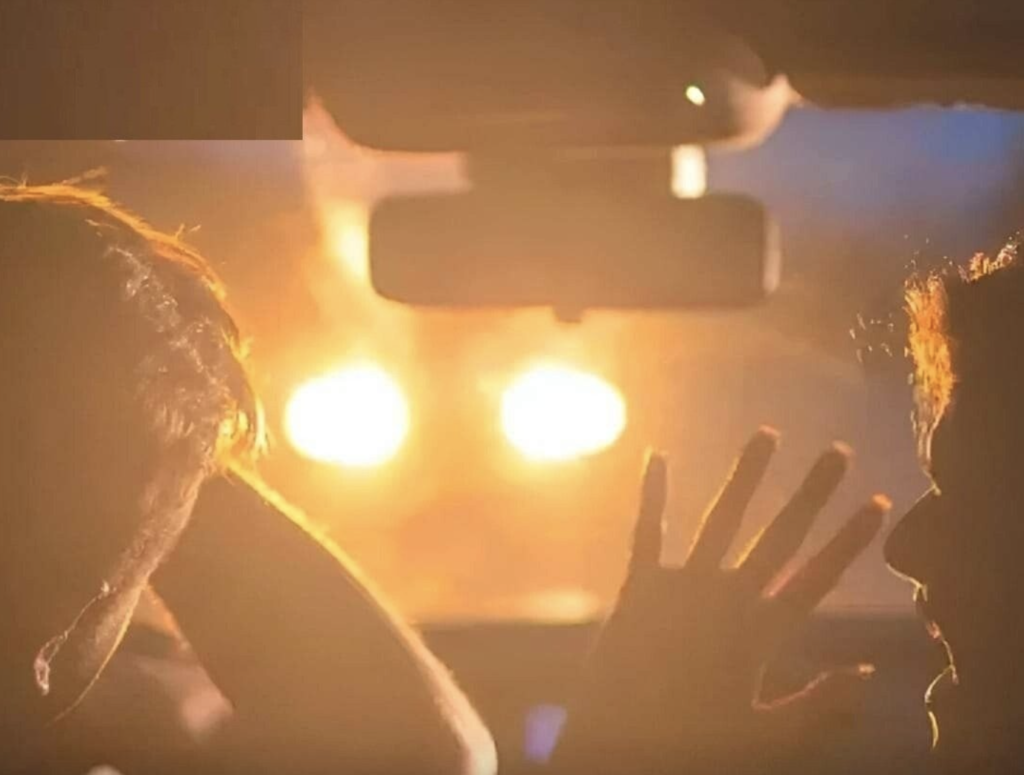
The glare arrives before the car even comes into view.
For a split moment, your entire vision floods with white light, your chest tightens, and you find yourself traveling at highway speed with almost no ability to see the road ahead.
This sudden flash is disorienting and frightening, and it has become something many drivers experience regularly. All around the world, people describe the same unsettling moment: a burst of brightness from a passing vehicle that leaves them blinking rapidly, gripping the wheel tighter, and struggling to keep their vehicle steady.
Modern headlights, especially those that use powerful LED and high-intensity discharge (HID) technology, are known for providing impressive visibility. Yet these same advancements have created a new safety concern. These lights illuminate more intensely than older halogen bulbs, and under the wrong circumstances, they can overwhelm the eyes of oncoming drivers.
Reports from numerous regions describe episodes of temporary vision loss that feel both startling and dangerous. Many drivers talk about instinctively slowing down, drifting slightly within their lane, or averting their eyes from the road for a second simply to recover their sight.
LED headlights became popular through a wave of automotive innovation. Their light resembles natural daylight, they consume less energy, and they last significantly longer than traditional bulbs. At first, they were celebrated for helping drivers see farther and more clearly at night.
Yet their beam pattern is far more concentrated than the softer, warmer illumination produced by halogen lights. The focused intensity that benefits one driver can create severe glare for another, especially when the headlights sit higher off the ground. This is increasingly common with SUVs, trucks, and crossover vehicles, which dominate modern traffic.
Even a small misalignment can make a major difference. A headlight angled upward by only a few degrees can send a piercing beam directly into the eyes of drivers traveling the opposite direction, creating a few seconds of near-blindness at the worst possible time.
The issue is intensified by the growing size of personal vehicles. As manufacturers continue producing taller, bulkier models, their headlights are naturally positioned above the eye level of many drivers. This higher placement means the beam often points straight into windshields and rearview mirrors, affecting both oncoming traffic and vehicles ahead on the road.
Drivers have reported experiencing lingering visual effects after encountering these lights—afterimages, light streaks, and delayed recovery of night vision. These brief impairments may seem minor, yet even a small lapse in visibility at high speeds carries significant risk.
Researchers and safety advocates have begun examining how these intensely bright headlights influence driving behavior and roadway hazards. Some propose updated regulations, improved testing standards, or technologies designed to automatically adjust headlight angle or intensity based on traffic conditions.
The growing conversation reflects an important reality: while brighter headlights were designed to make roads safer, the experience of many drivers suggests the opposite outcome under certain conditions. As vehicles evolve, so do the challenges of nighttime driving, highlighting the need for continual reassessment of standards, equipment design, and public awareness.
More discussions, updated guidelines, and increased recognition of the impact of glare may help reduce these frightening moments on the road. Until then, countless drivers will continue to brace themselves for that sudden, overpowering light that turns night driving into an unpredictable challenge.