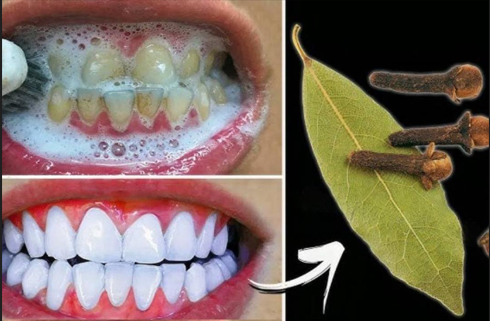
The desire for a brighter, cleaner smile has encouraged many people to explore alternatives beyond commercial whitening strips, trays, and gels. As interest in natural wellness continues to grow, everyday kitchen ingredients are increasingly being examined for their potential benefits. One such ingredient that has gained attention online is the bay leaf. Known primarily for its role in cooking, bay leaves have recently been promoted across social platforms as a gentle, plant-based approach to improving oral freshness and appearance.
This growing trend has sparked curiosity and questions. Can bay leaves actually support a whiter smile? Do they offer real oral health benefits? And how should they be used responsibly? A closer look at tradition, properties, and current understanding helps bring clarity to these claims.
🌿 Understanding Bay Leaves and Their Traditional Uses
Bay leaves, scientifically known as Laurus nobilis, are aromatic evergreen leaves commonly used in Mediterranean, Indian, and Middle Eastern cuisines. Beyond culinary use, they have a long history in traditional wellness practices. For generations, bay leaves have been valued for their antioxidant content, antimicrobial qualities, and soothing effects on inflammation.
These natural properties explain why bay leaves have been used to support digestion, reduce odors, and promote general hygiene. Their essential oils, including eugenol and cineole, contribute to their characteristic aroma and antibacterial activity. These features make bay leaves an interesting subject when discussing oral care support.
🦷 Possible Oral Health Benefits
Although no clinical studies confirm that bay leaves whiten teeth in a medical sense, some characteristics may contribute to improved oral cleanliness when used carefully.
Mild Surface Polishing
Dried bay leaves, when ground into a fine powder, have a slightly gritty texture. This texture can help remove surface buildup from foods such as coffee or tea. The effect is comparable to gentle polishing rather than deep whitening.
Breath Freshening Support
The essential oils present in bay leaves can help limit odor-causing bacteria in the mouth. Some people find that chewing a clean, dried leaf briefly can leave a fresher sensation.
Gum Comfort and Cleanliness
Anti-inflammatory compounds found in bay leaves may help soothe irritated gums. Their antibacterial nature may also contribute to reducing plaque accumulation, which can influence discoloration over time.
🧴 Popular Home Preparations Explained Clearly
Bay Leaf Tooth Powder
A commonly shared preparation combines crushed bay leaves with baking soda and coconut oil. This mixture is applied gently using a toothbrush for a short duration. The polishing effect primarily comes from baking soda, while bay leaf adds aroma and mild texture.
Bay Leaf Herbal Rinse
Steeping dried bay leaves in hot water creates an herbal rinse often used for breath freshness and gum comfort. This preparation supports oral hygiene rather than altering tooth color.
Bay Leaf and Turmeric Mixes
Some online sources recommend combining bay leaf with turmeric. While turmeric has anti-inflammatory properties, it also carries strong pigmentation. This mixture may leave a temporary coating rather than contributing to lasting brightness.
🔍 What Science Currently Indicates
Teeth whitening in a medical context requires agents capable of penetrating enamel and breaking down internal discoloration. Plant-based ingredients do not perform this function. Any perceived change from bay leaf use typically results from the removal of surface residue rather than chemical whitening.
This distinction matters. Supporting cleanliness and freshness differs significantly from altering the natural shade of teeth. Understanding this difference helps set realistic expectations and supports safe oral care decisions.
⚠️ Safety and Responsible Use
Bay leaves can be part of a broader oral hygiene routine when used thoughtfully. Moderation is essential. Aggressive scrubbing may affect enamel integrity, and concentrated ingestion of essential oils is not recommended. Bay leaf practices should complement regular brushing, flossing, and dental checkups rather than replace them.
People with sensitive teeth, restorations, or gum concerns are encouraged to consult a dental professional before experimenting with alternative methods.
🌱 Evidence-Based Ways to Support a Brighter Smile
Several dentist-supported habits contribute to maintaining tooth brightness naturally:
-
Oil pulling with coconut oil to reduce plaque
-
Occasional use of baking soda for surface polishing
-
Eating crisp fruits and vegetables that help clean teeth during chewing
-
Staying hydrated to reduce acid buildup
-
Limiting exposure to staining substances
Professional whitening options remain the most reliable choice for noticeable color changes.
🌟 A Thoughtful Perspective
Bay leaves demonstrate how traditional ingredients can play a supportive role in wellness routines. Their value lies in promoting freshness, cleanliness, and gum comfort rather than dramatic cosmetic change. When used with understanding and care, they can be a pleasant addition to mindful oral hygiene.
A healthy smile develops through consistency, informed choices, and proper care. Natural ingredients offer support, while knowledge ensures those choices remain safe and effective.