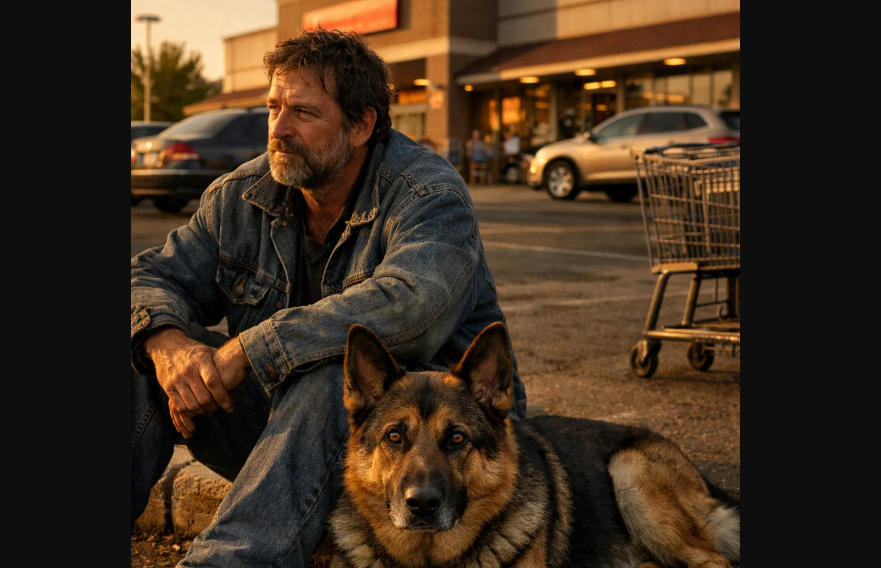
Few life stories illustrate resilience and medical innovation as powerfully as the journey of Patrick Hardison, a man from Mississippi whose life changed dramatically after a devastating house fire. In 2015, Patrick became the first person in the United States to receive a full face transplant. The groundbreaking procedure offered him a chance to rebuild not only his appearance but also his confidence and quality of life after years of physical and emotional hardship.
Before the tragedy that altered his future, Patrick lived a fulfilling life. He served his community as a volunteer firefighter and took pride in helping others during emergencies. In 2001, he responded to a house fire like many others he had faced before. Entering the burning building felt like a routine act of service for someone committed to protecting others.
Moments after he stepped inside, the structure collapsed unexpectedly. Patrick became trapped beneath the flames and debris. The intense heat and smoke caused catastrophic injuries. His protective mask began melting against his face while his equipment deteriorated in the extreme conditions.
Rescue teams eventually pulled him from the fire, yet the injuries he suffered were severe. Patrick experienced extensive third-degree burns across his face and scalp. The fire damaged his ears, lips, most of his nose, and much of the delicate tissue around his eyelids. His neck and upper chest also sustained significant burns.
Friends and first responders who witnessed his injuries understood immediately how serious the situation was. Jimmy Neal, a fellow firefighter who saw Patrick after the accident, later explained how rare it was to encounter someone with such extensive burns who had survived.
Patrick spent months in hospitals undergoing emergency treatment. Doctors performed multiple skin grafts to protect his body and stabilize his condition. For a long time he avoided looking in a mirror because the changes felt overwhelming. When he finally saw his reflection months after the accident, the emotional impact proved deeply difficult.

Over the following years, Patrick endured more than seventy surgeries along with countless additional medical procedures. Each operation aimed to repair damaged tissue, restore limited function, and prevent further complications. One of the most serious risks involved his eyesight. Because his eyelids were badly injured, he struggled to close his eyes naturally. Physicians created protective skin flaps to help shield his eyes from damage, yet the threat of losing his vision remained constant.

Everyday activities became challenging. Eating was painful, breathing felt different, and public outings often brought unwanted attention. Many people stared when they saw him, which made social situations uncomfortable. At times he even worried about how his own children would react to his appearance.
To move through daily life more comfortably, Patrick often wore a baseball cap and sunglasses to cover parts of his face. Artificial ears helped create a more natural appearance. These adjustments allowed him to blend into public spaces more easily, though the emotional toll remained heavy.

Despite these difficulties, Patrick continued searching for hope. A turning point arrived when he learned about a pioneering medical procedure performed in France. Isabelle Dinoire had received a partial face transplant after severe facial injuries caused by a dog attack. The news introduced a new possibility—one that had previously seemed unimaginable.
Encouraged by the breakthrough, Patrick contacted Dr. Eduardo D. Rodriguez, a reconstructive surgeon at NYU Langone Medical Center in New York. Dr. Rodriguez and his team believed a full face transplant could potentially restore many of the functions Patrick had lost. The challenge involved finding a compatible donor and preparing for an extremely complex operation.
Years passed before a suitable donor became available.
In 2015, a young man named David Rodebaugh suffered a fatal head injury during a cycling accident. His mother, Nancy Millar, faced an incredibly difficult decision during a moment of profound grief. She chose to donate her son’s organs so that others could benefit from his generosity.
Among those donations was David’s face.

Nancy later explained that her son had always supported the idea of organ donation. She believed his kindness and desire to help others could continue through the lives he saved. When she learned about Patrick’s story, she felt a deep connection between the two men.
The transplant surgery required an extraordinary level of planning and coordination. More than one hundred medical specialists participated in the procedure. Surgeons worked continuously for approximately twenty-six hours to complete the delicate operation.
The risks were enormous. Doctors estimated that Patrick’s chances of survival during the surgery were roughly fifty percent. Nevertheless, he chose to move forward, believing the opportunity for a new life outweighed the danger.
The surgery succeeded.

Patrick received a complete facial transplant including a new face, scalp, ears, and eyelids. For the first time since the fire, he gained the ability to blink normally again. This restored an important protective function for his eyes and significantly improved his quality of life.
Recovery required patience and determination. Swelling gradually decreased, and Patrick slowly regained the ability to speak clearly and swallow comfortably. When he finally met Nancy Millar, the mother of his donor, the moment carried deep emotional meaning for both of them.
Nancy shared that one simple gesture mattered greatly to her. She asked if she could kiss Patrick on the forehead, a small tradition she had always shared with her son when he was younger. Patrick welcomed the gesture with gratitude, recognizing the extraordinary generosity behind her decision.

Over time, Patrick continued adapting to his new life. He takes medication regularly to prevent his immune system from rejecting the transplanted tissue, a common requirement for transplant recipients. Even with these medical responsibilities, he describes the procedure as a second chance.
Today Patrick focuses on sharing his story with others. He hopes that people facing hardship will see his journey as proof that resilience and determination can lead to unexpected possibilities. Writing about his experiences has become part of that mission, allowing him to encourage others who feel limited by difficult circumstances.
Patrick Hardison’s life reflects the combined power of medical science, human generosity, and personal courage. Through the support of his donor’s family, the skill of a dedicated surgical team, and his own determination to move forward, he transformed a devastating injury into a story of renewal and hope.