Discovering an unusual skin condition on your child’s ear can feel overwhelming, especially when a doctor’s visit takes time to schedule. Parents naturally feel concerned about what might cause the changes, how much discomfort their child experiences, and whether the situation needs immediate attention. This guide provides clear, practical steps to help you care for the area at home while waiting for professional medical advice, offering peace of mind and effective ways to support your child’s comfort.
What Is Atopic Dermatitis and Why It Often Affects the Ears
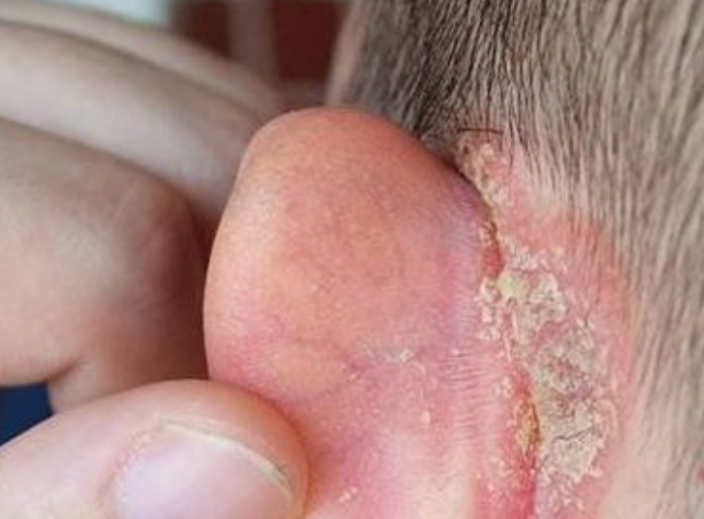
Atopic dermatitis, widely recognized as eczema, ranks among the most common skin conditions in children worldwide. The condition presents as red, inflamed patches that feel intensely itchy and may become dry or scaly over time. Ears prove particularly vulnerable because they remain exposed to wind, dust, hair products, earrings, hats, and frequent touching throughout the day. Recognizing atopic dermatitis as a possible explanation helps parents feel more prepared when they notice changes in this delicate area.
Recognizing the Signs on Your Child’s Ear
Careful observation reveals important clues. Look for redness that spreads beyond a small spot, swelling around the earlobe or behind the ear, rough or thickened texture, tiny raised bumps, or flaky skin. Intense itching often appears as the main complaint, and children may rub or scratch the area without realizing the impact. Yellow crusting, oozing, or unusual warmth can signal the presence of a secondary infection that deserves quick medical review.
Gentle First Steps to Ease Discomfort at Home
Begin with simple, soothing measures. Clean the ear carefully using lukewarm water and a mild, fragrance-free cleanser, then pat the area completely dry with a soft towel. A cool, damp cloth placed gently on the ear for ten to fifteen minutes several times a day calms itching and reduces swelling. Help your child keep their hands away from the ear by offering a distraction or covering the area lightly with a breathable cotton bandage if needed.
Safe Home Care Options and Over-the-Counter Support
Fragrance-free moisturizers applied several times daily create a protective layer that locks in hydration and strengthens the skin barrier. Products containing ceramides, colloidal oatmeal, or glycerin work especially well for sensitive skin. Over-the-counter 1% hydrocortisone cream, used thinly for no more than seven days on the ear area, often brings noticeable relief from redness and itching when parents follow package directions carefully. Pure coconut oil or medical-grade aloe vera gel serves as gentle natural alternatives for many families, though trying a small amount on the inner arm first confirms the child tolerates it well.
Knowing When Professional Care Becomes Necessary
Certain changes call for prompt contact with your pediatrician or dermatologist. Increased pain, spreading redness, warm skin to the touch, yellow or green discharge, swollen lymph nodes in the neck, or fever above 100.4 °F (38 °C) all point toward possible infection. Rapid worsening within hours or signs that the condition interferes with sleep and daily activities also merit immediate evaluation.
Getting Ready for the Doctor Visit
Thoughtful preparation leads to a more productive appointment. Keep a simple timeline of when symptoms began, what made them better or worse, and which home treatments helped. Clear photographs taken in natural light on different days show the doctor exactly how the skin has changed. Bring a list of all soaps, shampoos, laundry detergents, and foods introduced recently, along with any known allergies or previous skin concerns in the family.
Building Habits That Protect Delicate Ear Skin Long-Term
Daily routines make a meaningful difference. Choose gentle, hypoallergenic cleansing products labeled “for sensitive skin” or “pediatrician recommended.” Apply a thick layer of moisturizer within three minutes after bathing while skin remains slightly damp. Cotton clothing and hats allow the ears to breathe, whereas wool or synthetic materials sometimes trigger irritation. Regular nail trimming and soft mittens at bedtime limit damage if scratching occurs during sleep.
Moving Forward with Confidence
Seeing unusual skin changes on your child’s ear naturally stirs concern, yet knowledge and calm action transform worry into effective care. By understanding common causes like atopic dermatitis, using gentle home strategies, watching carefully for warning signs, and partnering closely with your healthcare provider, you create the best possible outcome for your child’s comfort and skin health. Staying observant and consistent with protective habits helps ears stay healthy and happy for years to come.