As a parent, watching your child experience pain can feel overwhelming, especially when it happens right before an important event. When your daughter begins limping and you notice a rough patch with tiny black dots on the bottom of her foot, it is natural to feel concerned. With her dance recital approaching, your focus quickly shifts to helping her feel comfortable enough to participate while also understanding what might be causing the discomfort.
Moments like this often require both quick thinking and calm reassurance. While the situation may seem urgent, having the right information can help you respond with confidence and care.
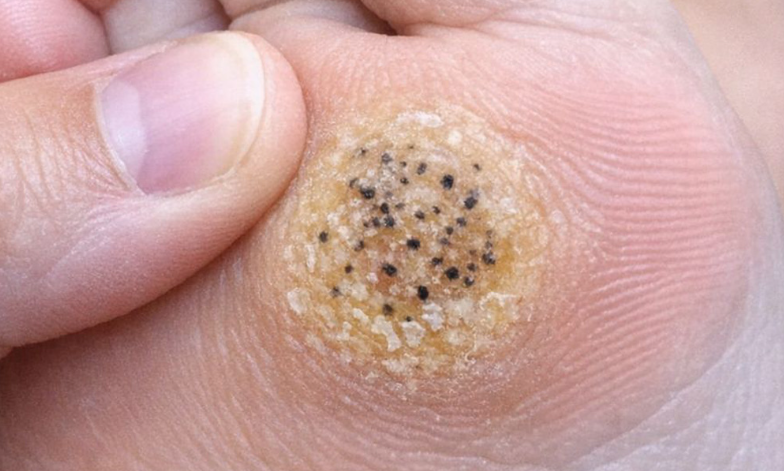
The hard, rough spot you noticed may be a plantar wart. These types of growths often appear on the sole of the foot, particularly in areas that carry weight such as the heel or the ball of the foot. They are caused by a virus known as human papillomavirus, which enters through small openings in the skin. The tiny black dots visible within the rough patch are small blood vessels that have clotted, which is a common characteristic of this condition.
Because plantar warts develop on pressure points, they can cause discomfort when walking or standing. The thickened skin over the area can make the wart resemble a callus, which is why many people initially misidentify it.
To better understand what you are dealing with, take a closer look at the affected area. A plantar wart usually appears as a round, hardened spot with a slightly uneven surface. The presence of black specks is an important clue. In contrast, a splinter often has a visible entry point or a foreign object embedded in the skin. A blister typically contains fluid and forms after friction or irritation, while a callus spreads more evenly across the skin and does not contain dark dots.
Another way to distinguish the difference is by how the pain is felt. Plantar warts often hurt more when pressure is applied from the sides, creating a deeper sensation. Calluses tend to cause discomfort only when direct pressure is placed on top.
If your daughter is experiencing significant pain, or if you notice redness, swelling, warmth, or any discharge, it is important to seek medical advice promptly. These signs could indicate irritation or infection that requires professional care. Difficulty placing weight on the foot is also a reason to consult a healthcare provider.
For immediate comfort at home, there are several gentle steps you can take. Soaking her foot in warm water for about fifteen minutes can help soften the skin and ease discomfort. After drying the area carefully, you may apply an over-the-counter treatment designed for warts, following the instructions provided.
Adding cushioning can make a noticeable difference. A soft pad or donut-shaped cushion placed around the affected area helps reduce direct pressure. This can be especially helpful during activities that involve standing or movement, such as a dance performance. If needed, age-appropriate pain relief medication can help reduce discomfort, though it is important to follow proper dosage guidelines.
To support her movement during the recital, you can use padding and gentle taping techniques. Placing a cushioned pad over the area and securing it with medical tape can help keep it in place. The goal is to reduce pressure without restricting circulation. If her dance shoes allow it, a soft insole can provide additional comfort.
Small adjustments to footwear and costume can also help. Shoes that are slightly roomier can prevent additional pressure on the sensitive area. Lining the inside with soft material or using protective fabric can reduce friction. Checking that tights or costume elements are not too tight can also make a difference in overall comfort.
There are also a few things to avoid. Attempting to cut or scrape the area can increase irritation and raise the risk of infection. Strong or unverified home treatments may damage the surrounding skin. Gentle care is the safest approach when time is limited.
If the condition continues beyond the event, professional treatment may be helpful. Healthcare providers can offer options such as specialized topical treatments or procedures designed to remove the wart more effectively. These methods are typically chosen based on the size and sensitivity of the area.
Alongside physical care, emotional support plays an important role. Your daughter may feel anxious about both the discomfort and the possibility of missing her performance. Reassure her that her well-being comes first and that you are there to support her. Encouraging calm breathing and focusing on what she can enjoy about the experience can help ease stress.
Looking ahead, simple preventive habits can reduce the chances of similar issues. Wearing protective footwear in shared spaces, keeping feet clean and dry, and checking for small cuts or changes in the skin can help maintain foot health. Early attention to any unusual spots can prevent discomfort from becoming more serious.
Situations like this can feel challenging, though they also highlight the importance of care, patience, and support. With the right steps, your daughter can feel more comfortable and confident, allowing her to focus on enjoying her special moment.