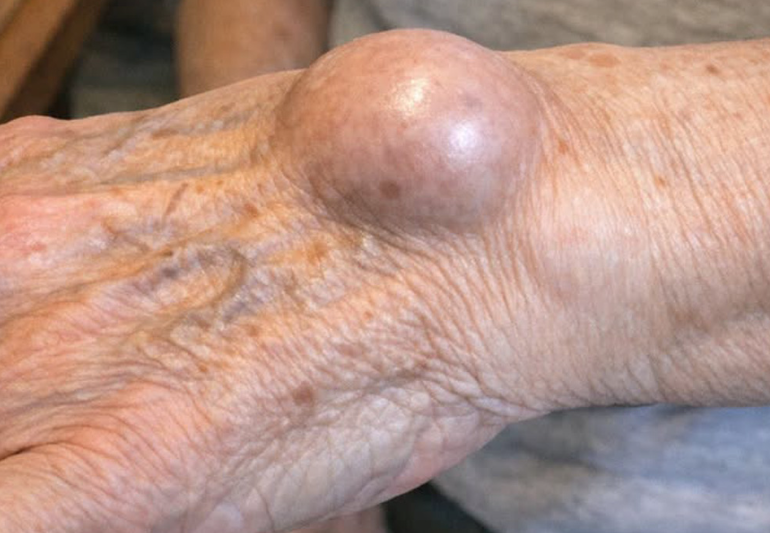
Finding a lump on the wrist that was not there before can feel unsettling. When a new growth appears without warning, it is natural to wonder whether it signals something serious. Although concern is understandable, the most helpful first step is to remain calm and gather reliable information about what might be causing it.
Several different conditions can lead to a wrist lump. Some are harmless and resolve on their own, while others require medical evaluation and treatment. Understanding the range of possibilities makes it easier to decide what to do next. This guide reviews common causes of wrist lumps, especially ganglion cysts, along with other potential explanations and signs that require prompt medical care.
1. Why a Sudden Wrist Lump Can Feel Concerning
A lump that seems to appear overnight often draws attention because of how quickly it develops. Sudden physical changes can result from inflammation, fluid buildup, or irritation in the joint or surrounding tissue.
Wrist lumps vary in size, texture, and appearance. Some feel soft and compressible, while others are firm and fixed in place. The color of the skin over the lump may remain normal or appear slightly red. Each of these characteristics provides helpful clues. Paying attention to these details can guide decisions about whether immediate medical evaluation is needed.
2. What a Ganglion Cyst Is
A ganglion cyst is a noncancerous swelling that typically forms along tendons or joints in the wrist or hand. These cysts contain a thick, gel-like fluid similar to the fluid found inside joints. Most measure between one and three centimeters and appear round or oval. They may feel firm or slightly rubbery when touched.
Medical experts believe ganglion cysts develop when synovial fluid escapes from a joint or tendon sheath and collects in a small sac. The exact trigger is not always clear. They occur more often in women and are frequently seen in adults between 20 and 40 years old.
3. Common Signs of a Ganglion Cyst
Ganglion cysts usually appear as a visible bump on the wrist or hand. The size may fluctuate over time, sometimes becoming larger with repetitive movement and smaller during periods of rest.
Many cysts are painless. Discomfort may occur if the cyst presses against nearby nerves or restricts joint movement. The skin covering the lump often looks smooth, and the cyst may shift slightly under gentle pressure. Some people experience a dull ache near the wrist joint, especially after extended activity.
4. Other Possible Causes of a Wrist Lump
While ganglion cysts are the most common cause, other explanations are possible. Lipomas are soft, fatty growths beneath the skin that are usually harmless. Bone spurs, often related to arthritis, can create firm, bony protrusions near joints.
In certain cases, a rheumatoid nodule associated with rheumatoid arthritis may form near the wrist. An abscess caused by infection can also produce swelling, often accompanied by redness and warmth. Rarely, a lump may represent a tumor, which highlights the importance of medical evaluation if the diagnosis is uncertain.
5. Signs That Require Immediate Medical Care
Most wrist lumps are not emergencies. However, certain symptoms require prompt attention. Severe pain, increasing redness, warmth, or fever may signal infection.
Rapid growth, significant limitation in wrist movement, or intense discomfort also deserve urgent assessment. Sudden numbness, tingling, or weakness in the hand should never be ignored, as these symptoms may indicate nerve involvement.
6. How Doctors Evaluate a Wrist Lump
During a medical visit, the physician will begin with a physical examination. They will assess the lump’s size, texture, location, and mobility.
Imaging studies such as X-rays, ultrasound, or MRI scans may be recommended to examine deeper structures and rule out bone or soft tissue abnormalities. In some cases, aspiration is performed. This involves using a needle to withdraw fluid from the lump. Clear, jelly-like fluid often confirms a ganglion cyst. If uncertainty remains, a biopsy may be performed to analyze tissue more closely.
7. Treatment Options
Treatment depends on the underlying cause and the severity of symptoms. For ganglion cysts that are not painful, doctors may recommend observation. Some cysts decrease in size or disappear over time.
If discomfort develops, aspiration can relieve pressure by removing fluid. When cysts persist or recur, surgical removal may be considered. Surgery involves removing the cyst and its connection to the joint. It is typically performed on an outpatient basis. Although recovery is usually straightforward, recurrence remains possible.
8. Home Care and Precautions
For benign lumps such as ganglion cysts, certain home measures may provide relief. Wearing a wrist splint can reduce movement and irritation. Applying ice may decrease swelling. Over-the-counter pain relievers may ease mild discomfort, though it is wise to consult a healthcare provider before use.
Avoid attempting to puncture or squeeze a lump at home. Doing so increases the risk of infection and complications.
9. Recurrence and Long-Term Outlook
Ganglion cysts can return, even after treatment. Recurrence rates vary, with some studies reporting rates up to 30 percent depending on location and completeness of removal.
Despite this possibility, the overall outlook is positive. Most wrist lumps are benign and manageable with appropriate medical guidance.
10. Questions to Ask During the Appointment
When visiting the clinic, consider asking:
-
What is the most likely cause of this lump?
-
Are additional tests needed to confirm the diagnosis?
-
What treatment options are available?
-
Which symptoms would require urgent attention?
-
What steps can be taken at home to reduce discomfort?
Clear communication during the appointment helps ensure informed decisions and peace of mind.
Discovering a wrist lump can feel concerning, though many cases turn out to be manageable and non-serious. With proper evaluation and care, most individuals experience a favorable outcome and can return to normal daily activities with confidence.