Note: This article discusses content that some readers may find upsetting or offensive.
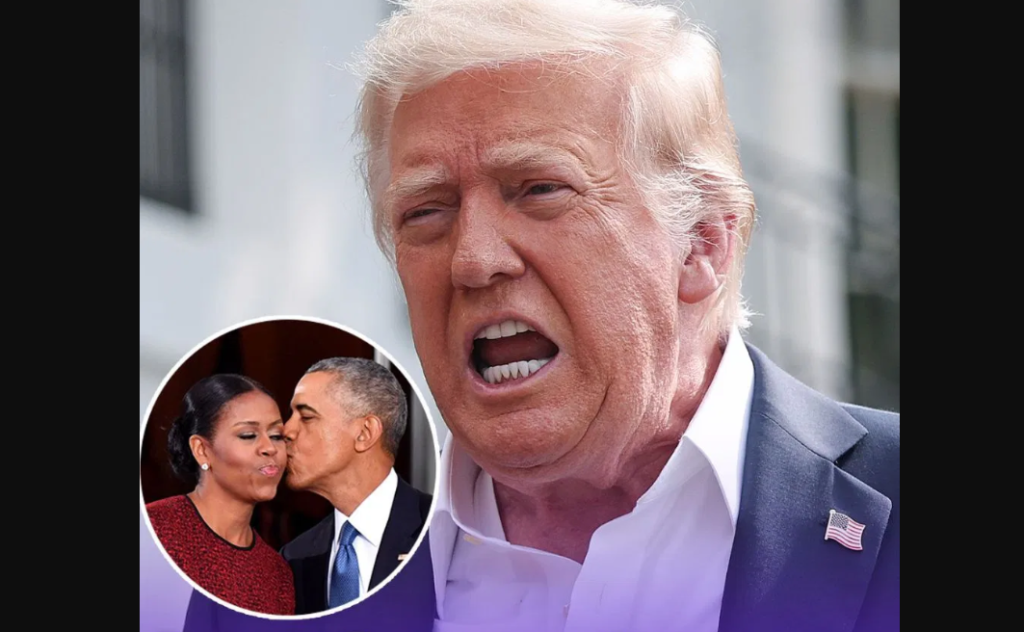
In the weeks following the release of a controversial online video depicting former president Barack Obama and former First Lady Michelle Obama in a digitally altered and widely criticized manner, Donald Trump has continued to maintain that the post was not discriminatory. The clip, which appeared on Trump’s social media platform Truth Social on 6 February, quickly drew national attention and prompted strong reactions across the political spectrum.
The video, lasting approximately one minute, opened with renewed references to previously disputed claims about the 2020 presidential election. It repeated allegations that Democrats manipulated vote counts in favor of Joe Biden through Dominion Voting Systems—claims that have been examined and rejected in multiple legal and investigative proceedings. The initial portion of the video focused on these election-related assertions before shifting tone in its final segment.
Toward the end of the clip, an AI-generated image appeared that digitally superimposed the faces of Barack and Michelle Obama onto animated animal bodies. The background featured the song “The Lion Sleeps Tonight,” a Disney-associated track, creating a jarring contrast between political messaging and stylized animation. The imagery and music combination sparked immediate criticism from commentators, public officials, and civil rights advocates.
California governor Gavin Newsom was among those who publicly condemned the video, describing it as “disgusting behaviour” in a message posted on X. He urged members of the Republican Party to distance themselves from the content and to speak out clearly against what he described as inappropriate and divisive imagery. Other public figures echoed similar concerns, arguing that the altered portrayal carried harmful connotations and risked reinforcing negative historical stereotypes.
Former Deputy National Security Adviser Ben Rhodes also responded, stating that history would likely judge the moment differently than its immediate political framing. He suggested that the Obamas’ legacy would be viewed favorably over time, while controversies surrounding digital political messaging would be remembered as cautionary examples of the online era.
Despite the backlash, Trump defended the post during a press conference held in the Oval Office on 12 February. He stated that the main focus of the video concerned election integrity and described it as a “strong piece” centered on voting issues. According to Trump, the controversial segment had circulated online for years before appearing on his platform, and he characterized its inclusion as a mistake made during compilation.
“That was a video about voter fraud,” Trump said, noting that only a small portion referenced “The Lion King.” He added that the broader context of the clip related to election concerns and that the disputed imagery represented a brief segment within a longer message. When asked directly whether he would apologize for the portrayal of the Obamas, Trump declined to issue a formal apology.
White House press secretary Karoline Leavitt addressed the matter as well, describing the video as originating from an internet meme format in which Trump was depicted symbolically as a “King of the Jungle” figure, with political opponents represented as characters from The Lion King. She criticized what she described as heightened reactions and encouraged attention toward policy matters affecting Americans.
The episode has reignited discussion about the evolving nature of political communication in the digital age. Analysts have pointed to the growing influence of AI-generated imagery, viral memes, and rapid online sharing in shaping public discourse. Others have raised questions about the responsibility of public figures when amplifying content created in internet subcultures, particularly when such material touches on sensitive historical or cultural themes.
As conversations continue, the controversy highlights broader debates about digital ethics, political expression, and the boundaries of satire in an era where technology allows rapid transformation of images and messages. While opinions remain sharply divided, the incident underscores the power of online platforms to amplify content quickly—and the enduring importance of thoughtful communication in public life.