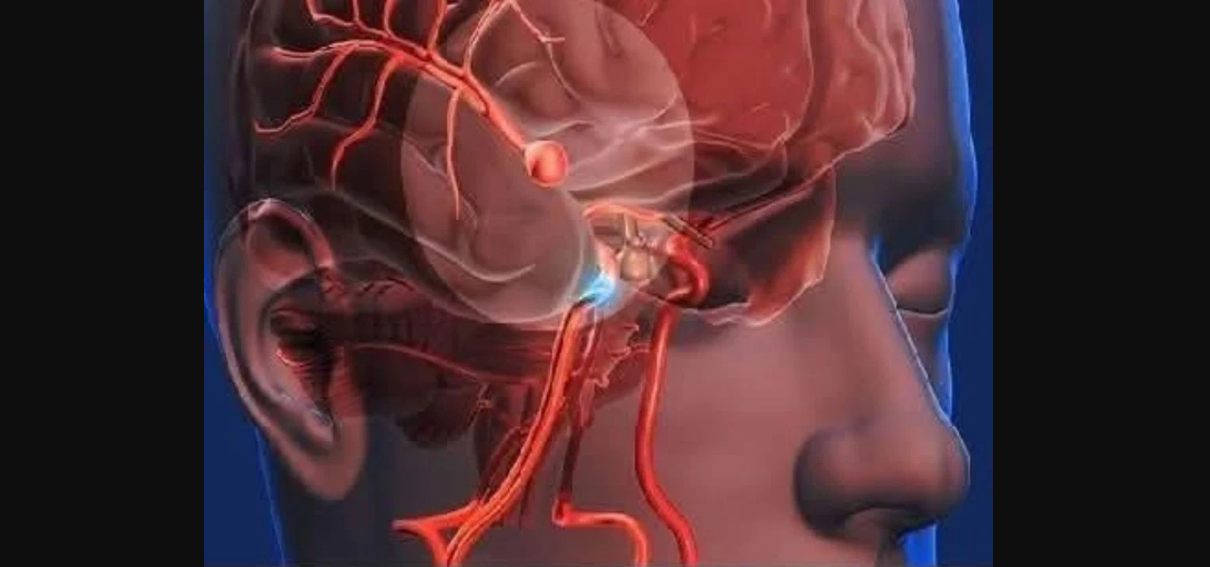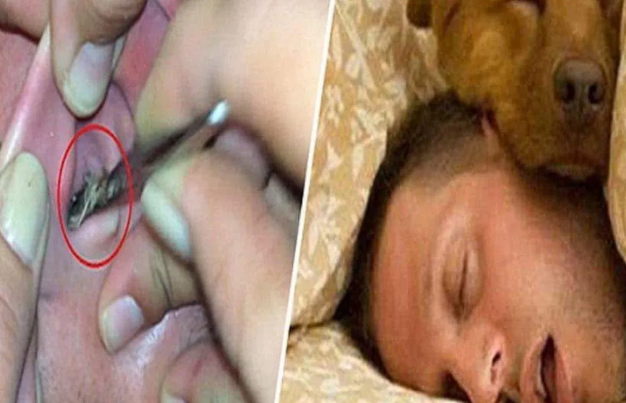
How close is the interaction between you and your pet?
Do you kiss them and sleep in the same bed? This close interaction between the two is a matter of discussion among specialists, as refining the relationship between people and their dogs or cats can be both healthy and dangerous for their well-being.
Diseases transmitted by pets
There are about 250 zoonotic diseases , of which more than 100 result from the realtionship between people and domestic animals.
Some of the disadvantages include:
It can be dirty : Pets often play in the grass and dirt. During these outings, they can play with thousands of things you’ll never know about: d3ad animals, other less-clean dogs, and they can bring in ticks, fleas, or bring small amounts of feces into the house.
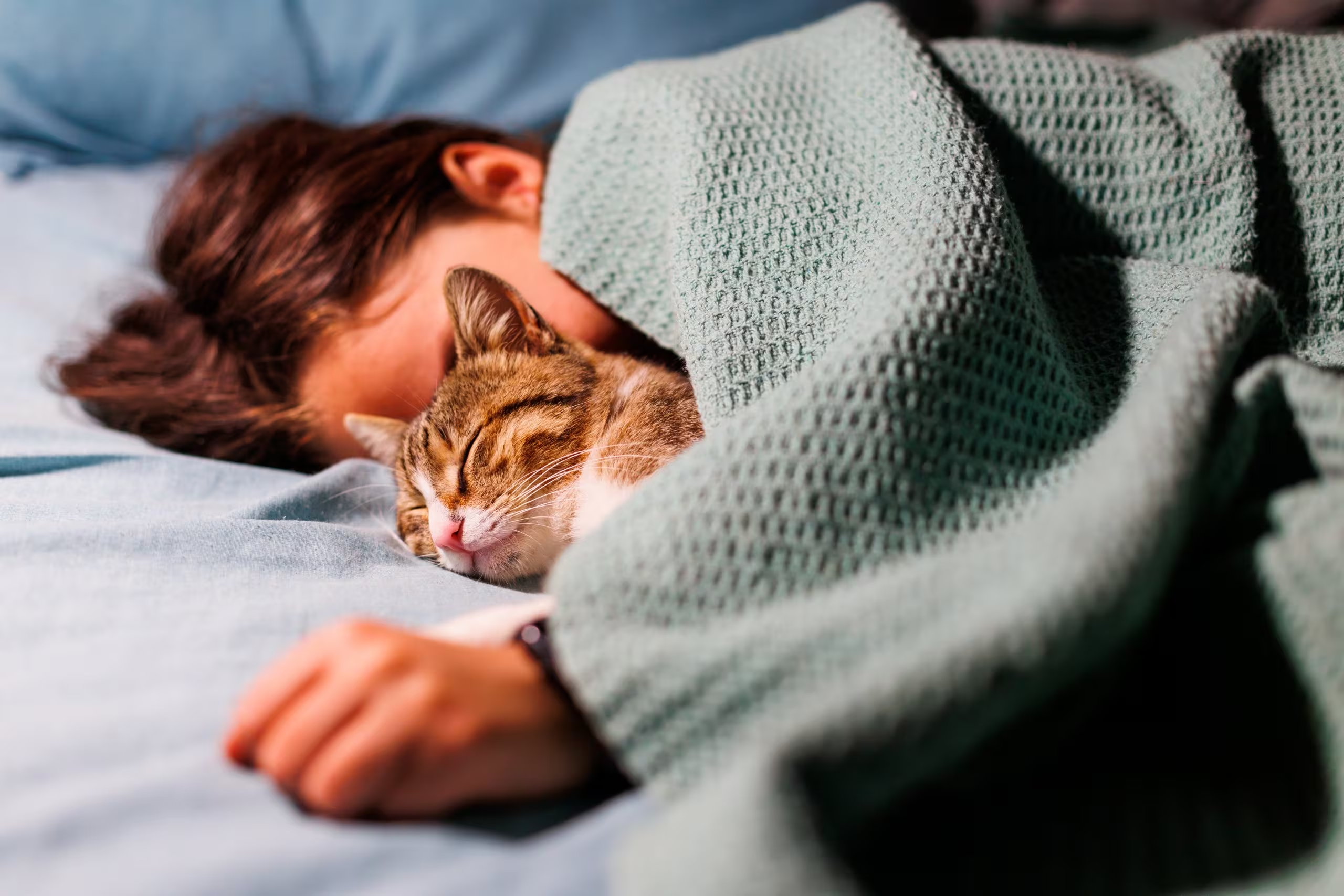
Different sleep schedules : Sleeping together can be a problem, as pets, especially cats, can sometimes be very active at night. Your sleep can be disrupted by your pet’s sudden awakening.
It’s a difficult habit to change: If you decide to change this habit in your pet due to the arrival of another person, it could prove difficult. Getting them used to sleeping in their own bed can be a challenge because they’ll scratch at your door and bark until you let them sleep with you.
Possible illnesses from sleeping with dogs
Some of these diseases include:

Allergies: Many people are sensitive to allergies, so sharing a bed with a pet can annoy the situation. Our pets tend to shed a lot of hair, so if you deal with allergies, you won’t be able to rest peacefully.
Hookworm: This is an infectious disease spreaded by a worm that lodges in the small intestine of your dog, humans, and other animals.
Respiratory diseases: Our dogs can harbor fungi, dust, and other particles that can impact on the lungs, leading to respiratory diseases such as asthma and others.
Intestinal parasites: We could bring in intestinal parasites from our dog, which would affect human health, especially that of children.
Diabetes Symptoms At Night: Top 7 Signs Of High Bl00d Sugar That Becomes Worse After 10pm
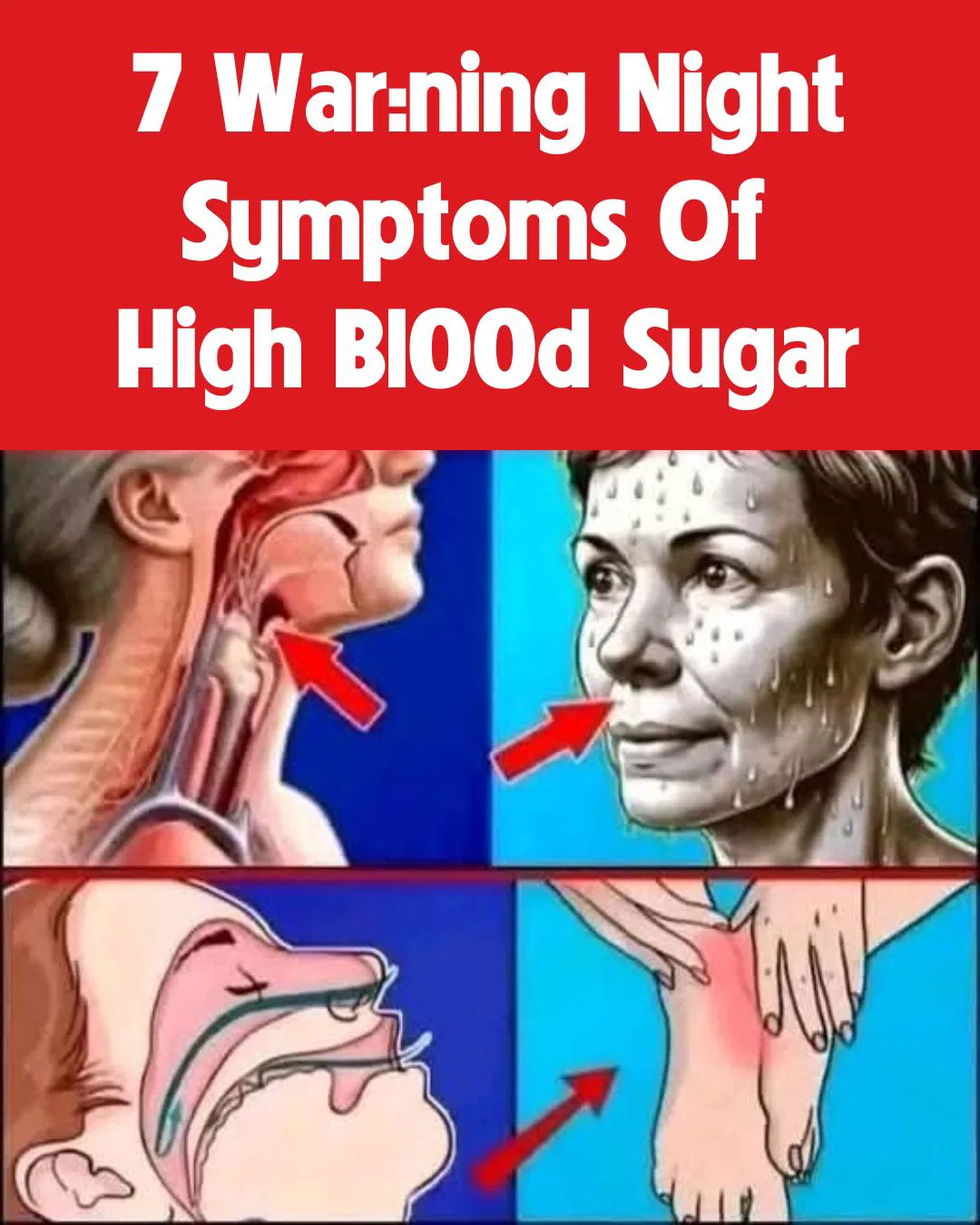
As we know that diabetes is a terrible disease, affecting countless individuals globally. High bl00d sugar levels specify this long-term condition, and if left unchecked, it causes several complications. In this article, we’ll explore 7 diabetics’ signs of high bl00d sugar.
Diabetes Symptoms At Night: What You Should Know
Are you dealing with high bl00d sugar levels? Notice these diabetes signs and symptoms that may worsen at night.
Increased Urination

The body’s way of getting rid of surplus sugar is through urine. However, the kidneys’ night-time function takes a dip, causing increased peeing. If your sleep is struggling with frequent bathroom breaks, it’s time to check a blood sugar level.
Increased Thirst
Polydipsia or excessive thirst can maintain diabetics reaching out for water more often at night. The body deals with fluid loss because of increased peeing by triggering thirst.
Extreme Tiredness
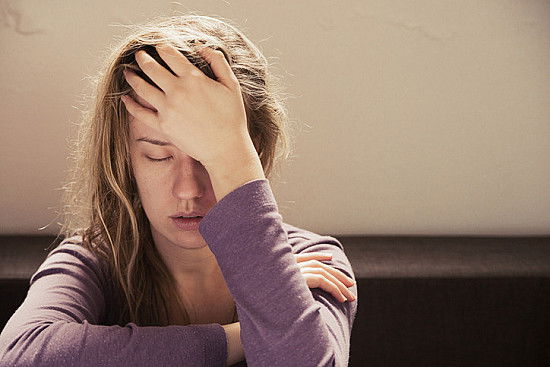
Feeling consistently weary and tired, especially at night, is popular with diabetes. High bl00d sugar levels can allow cells using glucose effectively, resulting in insufficient energy. This can disturb a peaceful night’s sleep and leave you feeling even more weary the following day.
Restless Legs Syndrome
Restless Leg Syndrome (RLS) is fractious urge to move the legs, often accompanied by discomfort. Diabetics are often victims of RLS, the symptoms of which exacerbate at night.
Midnight Leg Cramps
Suffering from leg cramps, particularly at night, is another nocturnal alarm to diabetes. The resulting ache and unease can unleash havoc on sleep. The combination of stretching exercises and suitable medication could support respite.
Breathing Pauses in Sleep
Sleep apnea, or sleeping disorder is another nighttime sign of high bl00d sugar levels. This condition is recored by a disorder that leads to irregular breathing or superficial breaths during sleep.
Excessive Sweating At Night
Night sweats can be another war:ning sign of diabetes. Variations in bl00d sugar levels can disturb the body’s temperature control, leading to excessive sweating during sleep. If you wake up night after night in a pool of sweat, a check on blood sugar levels is assured.