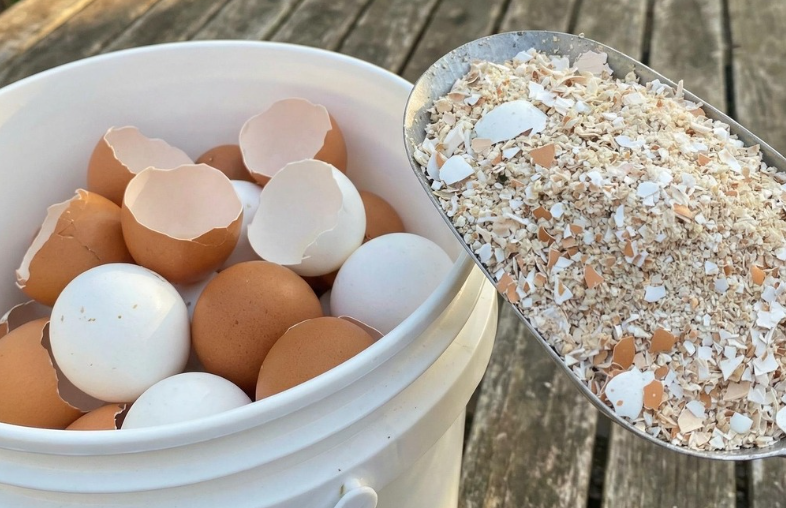
Eggshells often seem like nothing more than scraps left behind after cooking, yet once you discover their potential, they start to look far more valuable. Many people are surprised by how useful they can become when given a second life. Instead of throwing them away, you can transform them into practical, low-cost helpers for both your home and garden with a small amount of preparation. Because eggshells naturally contain a high level of calcium and have a firm, durable structure, they can serve multiple purposes in ways that support a simple, sustainable routine without needing specialized equipment or costly products.
Before reusing eggshells, the most important step is making sure they are properly cleaned and sanitized. Begin by rinsing each shell under running water to remove any leftover residue. Once they are clean, place them in a pot of water and bring it to a gentle boil. Allow them to simmer for ten to fifteen minutes so they are fully sanitized and easier to work with later.
After boiling, drain the water and spread the shells out on a clean towel or baking sheet so they can dry completely. When the shells are fully dry, store them in a sealed container or jar until you are ready to use them. This preparation helps maintain hygiene and keeps the shells ready for grinding or crushing whenever needed.
In the garden, boiled and crushed eggshells are one of the most popular natural additives. When mixed into soil or compost, they slowly release beneficial minerals over time, helping enrich the growing environment around your plants.
Many gardeners also scatter coarsely broken shells around flower beds or vegetable patches. The sharp, uneven texture can act as a simple physical barrier that may discourage certain crawling pests from getting too close. Another creative idea is using half-shells as seed-starting cups. By filling them with soil and planting small seeds inside, you create tiny biodegradable pots. When the seedlings become strong enough to transplant, you can place the entire shell into the ground, where it will break down naturally and contribute nutrients to the soil.
Inside the home, finely crushed eggshells can become a gentle, natural scrub for cookware or certain kitchen surfaces. When combined with a mild dish soap, the gritty texture helps remove buildup without relying on chemical-heavy cleaning products.
Many people appreciate this method because it offers an eco-friendly way to maintain a clean kitchen while reducing the need for commercial scouring pads. It also helps give eggshells another purpose before they eventually return to the earth or compost.
Although eggshells provide many advantages, it is important to use them thoughtfully. They should remain a simple household tool rather than being seen as a replacement for professional health advice or nutritional supplements. Their abrasive texture also means they should be handled with care on delicate surfaces. When applied appropriately, however, these shells can help cut down on waste and bring small benefits to everyday life.
In the end, a careful rinse, a quick boil, and a touch of creativity can turn something normally discarded into a helpful resource for your home. The process is straightforward, the uses are practical, and the impact on your lifestyle can be surprisingly positive. With a bit of attention and imagination, eggshells become more than kitchen leftovers—they become a sustainable tool that supports a mindful and efficient way of living.