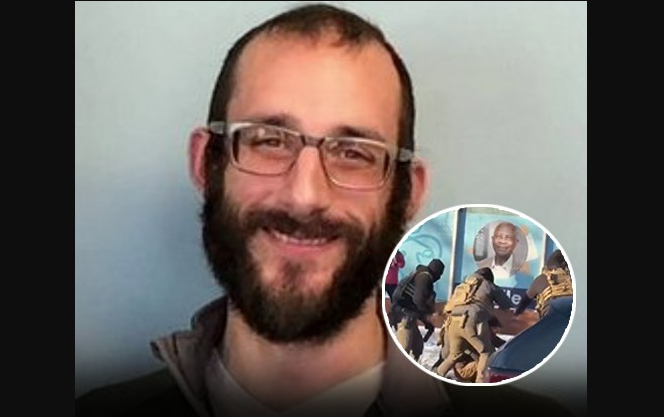
In Minneapolis on Saturday, January 24, 2026, 37-year-old Alex Jeffrey Pretti — a registered ICU nurse, U.S. citizen, and familiar face in his neighborhood — lost his life after an encounter with a federal Border Patrol agent during a large immigration enforcement operation. The incident unfolded during a period of heightened tension throughout the city, where protests, public concern, and growing unease had already shaped the atmosphere following another fatal enforcement action earlier in the month.
The events of that morning have since become one of the most intensely discussed law-enforcement cases in recent memory, drawing deep emotional reactions, questions from community members, and sharply differing accounts from local residents and federal officials.
A Neighbor’s Perspective: “He Was a Wonderful Person”
People who lived near Pretti described him warmly. They spoke of a neighbor who consistently offered support, noticed when something seemed wrong, and cared about those around him. One resident who lived in the apartment below him said he had been a dependable and kind presence for nearly three years, adding that she admired his heart and generosity.
She said she had never seen him behave in a threatening manner and expressed disbelief when federal statements suggested he had approached agents with a firearm. Her reaction echoed what many neighbors felt when the official narrative began circulating. “I never thought of him as someone who carried a gun,” she told reporters, emphasizing how unexpected and confusing the claims felt to those who knew him personally.
Who Was Alex Pretti? A Closer Look at His Life
Alex Pretti worked as an intensive care nurse at the Minneapolis VA Health Care System, where he was known for compassion and professionalism. Colleagues said he handled some of the most challenging situations in patient care with steadiness and empathy, supporting families through difficult moments and advocating for those who needed help.
Born in Illinois, he held a legal concealed-carry permit and had no criminal history. Outside of his job, he participated in peaceful demonstrations addressing immigration enforcement, believing strongly in fairness and community solidarity. Friends said he valued calm dialogue, outdoor activities, and acts of service more than heated political debate.
The Confrontation on January 24, 2026
Federal officials stated that DHS and Border Patrol agents were conducting an immigration-focused operation when they encountered Pretti near 26th Street and Nicollet Avenue in the Whittier neighborhood around 9:05 a.m. According to their initial account, agents claimed Pretti approached them with a firearm, resisted efforts to detain him, and created a scenario they described as dangerous. Homeland Security Secretary Kristi Noem and Border Patrol Commander Gregory Bovino publicly supported the agents, saying their actions followed protocol during a chaotic situation.
Eyewitness Accounts and Video Evidence
As the public sought clarity, multiple videos and firsthand accounts began to emerge. Footage recorded by bystanders showed Pretti holding a mobile phone in the moments before contact, not a weapon. He appeared to be observing or recording the unfolding operation, standing among other residents.
In earlier clips, he can be seen stepping toward another person who had been pushed by an agent, acting in a manner that witnesses described as protective rather than confrontational.
Additional footage suggested his legally owned firearm remained in a holster as agents engaged him. Several recordings appeared to show an agent removing the weapon during the struggle while Pretti was already on the ground. At least ten shots were heard over the span of a few seconds while he was pinned beneath multiple officers.
Minneapolis Police Chief Brian O’Hara stated publicly that Pretti seemed to be documenting the scene, not threatening agents. He emphasized that Pretti was exercising his constitutional rights — both to film law enforcement and to carry his licensed firearm.
Family Reaction and Growing Outrage
Pretti’s family responded strongly when they saw statements from officials suggesting he had been violent or posed a threat. They issued a written statement calling the federal narrative deeply misleading and said that available video made the truth clear to anyone who watched.
His father, Michael Pretti, described his son as someone who cared about people and believed in fairness. He explained that Alex attended demonstrations because he felt the city was experiencing enforcement actions that harmed communities. The family called for a full, transparent, independent investigation, insisting the shooting was unjustified.
Community and Political Response
The death of Alex Pretti accelerated an already unfolding debate in Minneapolis about federal enforcement operations. Thousands gathered for vigils, protests, and marches, many carrying signs that read “Justice for Alex Pretti” and demanding accountability. People spoke about fear, anger, and grief, saying the community had lost someone who represented care and compassion.
Minnesota Governor Tim Walz criticized the ongoing federal operations and urged the withdrawal of federal agents from Minneapolis, calling their presence destabilizing. Local leaders demanded full access to evidence, including body-camera footage and investigative material, which federal authorities have been slow to release.
A federal judge later issued a temporary restraining order preventing DHS from altering or destroying evidence, reflecting concerns about the transparency of the investigation.
Legacy and Ongoing Debate
The death of Alex Pretti continues to influence conversations about immigration enforcement, public safety, civil liberties, and the rights of citizens to observe government actions in public spaces. For many, the case highlights fears about unchecked authority, the risk of escalating enforcement tactics, and the need for oversight when federal agencies operate within communities.
Those who knew him remember the man behind the headlines — a compassionate caregiver, a supportive neighbor, and someone who valued humanity above division. One resident said, “He was always the person you could rely on when something didn’t feel right,” a sentiment repeated throughout the neighborhood.
Conclusion
The fatal shooting of Alex Pretti remains under investigation, and the questions surrounding his death continue to fuel national discussion. Conflicting accounts, emotional testimony from loved ones, and video evidence that challenges official statements have created a complex and urgent demand for clarity.
As Minneapolis seeks answers, the story of Alex Pretti stands as a reminder of the human impact behind policy decisions and public conflict. His life — shaped by service, empathy, and community — continues to influence conversations about accountability, justice, and the relationship between citizens and the federal government.