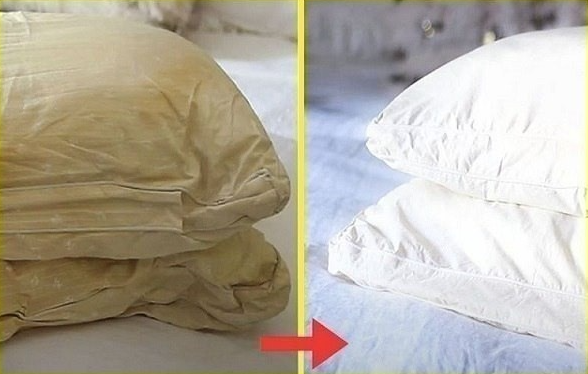
Over time, even the softest and most supportive pillows begin to reveal signs of long-term use—subtle yellowing, fading fabric, and a lingering scent that no pillowcase seems able to hide. Many people are surprised to learn how much sweat, natural oils, dust, and other particles settle into a pillow night after night, even when the outside looks perfectly clean.
These accumulations affect not only freshness but also overall comfort, especially for anyone who deals with allergies or sensitivities. Refreshing pillows regularly becomes an essential part of creating a sleep environment that feels cleaner, healthier, and more restful each evening.
Although pillowcases often receive routine washing, the pillow itself is frequently overlooked. Checking the care label is an important first step, since it tells you which cleaning method is safest for your specific pillow type. Fortunately, many common pillows—whether filled with synthetic materials, cotton, feathers, or down—can be placed directly into the washing machine.
Warm water and a gentle detergent usually provide an effective clean. Washing two pillows at the same time helps keep the machine balanced, allowing the water and detergent to circulate more evenly for a better result. Adding a bit of baking soda or white vinegar can also help reduce odors and brighten the material, offering a natural way to improve freshness.
Drying the pillow thoroughly is equally important. Any remaining moisture can lead to odors or mold growth over time, so complete drying is essential. A low-heat or air-dry setting works well for most pillow types, though feather and down fillings may require additional drying time to reach the right level of dryness.
Tossing in dryer balls—or even clean tennis balls—helps restore shape and fluffiness, giving a pillow that satisfying loft that supports the neck and head comfortably through the night. This step alone can transform a flat, worn-down pillow into something that feels much more inviting.
Between deeper cleanings, simple habits can help extend freshness. Allowing pillows to sit in direct sunlight for an hour or two provides a natural boost, as sunlight helps reduce odors and refresh the filling. Using pillow protectors beneath the pillowcase adds another layer of protection against stains and buildup, making routine maintenance easier.
Small daily practices also play a role, such as removing makeup before bed, avoiding eating in bed, and ensuring pillowcases are washed frequently. These habits help prevent discoloration and keep pillows looking and feeling much cleaner.
Experts recommend washing pillows every three to six months to maintain hygiene, shape, and overall comfort. Consistent care ensures that the pillows you rely on each night continue to support quality sleep. With a little attention and a few intentional steps, your pillows remain fresh, bright, and comfortable, offering a healthier and more pleasant night’s rest throughout the entire year.