Your body has its own quiet way of signaling when something needs attention. These signals can be easy to miss, especially when daily routines make small changes seem unimportant. Many people ignore early symptoms without realizing they may be meaningful health clues. Understanding these signs and responding promptly can support better long-term well-being.
CONTENT IS FOR INFORMATIONAL PURPOSES ONLY AND SHOULD NOT REPLACE PROFESSIONAL MEDICAL GUIDANCE.
ALWAYS CONSULT YOUR DOCTOR ABOUT YOUR HEALTH OR ANY MEDICAL CONCERNS.
1. Red bumps
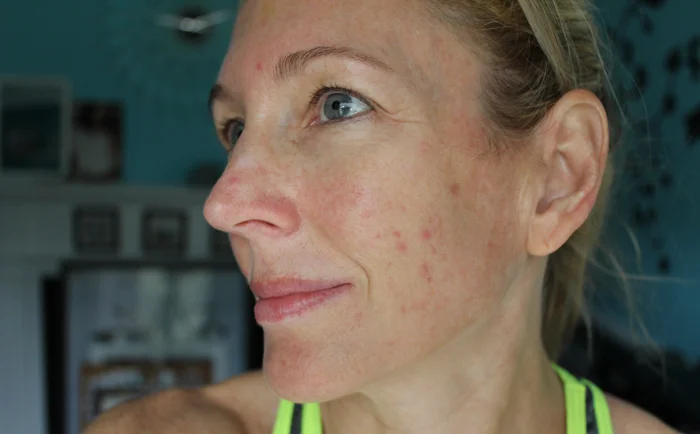
Small bumps on the skin are incredibly common and can appear for many reasons, ranging from mild irritation to more complex conditions. They might show up because of acne, allergies, keloids, or even viral infections like shingles. Most of these bumps do not indicate anything dangerous, yet persistent discomfort or changes in appearance are worth discussing with a healthcare provider.
One of the most frequent causes of these bumps is keratosis pilaris. Often called “chicken skin,” it appears as tiny, rough spots on areas such as the cheeks, upper arms, or thighs. The bumps form when keratin blocks the hair follicles, creating a textured or patchy surface. Although the exact reason this happens remains unclear, it often runs in families. Some evidence suggests that low levels of vitamins A and C may contribute to it. While harmless, the condition can feel bothersome and may benefit from gentle skin care and proper nutrition.
2. Neck lines
Many women notice changes in their skin as they age, particularly after menopause when estrogen levels decrease. One subtle sign that may reflect bone health is the appearance of pronounced lines on the neck. These lines can indicate that bone density is gradually declining, which increases vulnerability to fractures.
Strengthening bone health through lifestyle choices can help. Including calcium and vitamin D in your daily routine supports bones, and speaking with a doctor about screenings or supplements can provide clarity. Paying attention to these outward signs may encourage earlier action.
3. Restless leg sensations
Restless leg syndrome creates uncomfortable feelings that make you want to move your legs, especially during rest or nighttime. Although researchers are still studying the underlying cause, low iron stores appear to play a role. Increasing iron-rich foods—such as leafy greens, beans, poultry, and fish—may offer relief.
Small eating habits can also improve iron absorption. Cooking with cast-iron pans or avoiding tea and coffee with meals may help your body use iron more effectively. Before making major diet changes or considering supplements, a conversation with a medical professional is important. Muscle cramps appearing out of nowhere may also be a sign that calcium levels are running low, which affects nerves, muscles, and heart function. Calcium is crucial for stable heartbeat and proper clotting, so imbalances should not be overlooked.
Dry skin and nails that break easily can sometimes point to low calcium as well. If calcium levels fall too far, hypocalcemia may develop, often connected to low vitamin D or parathyroid issues. Noticing these skin and nail changes early can help prevent complications.
5. Hair loss
Finding more strands on your pillow or hairbrush can feel alarming. Hair loss does not always indicate illness, but it can signal that your body is lacking certain nutrients. Iron, biotin (B7), niacin (B3), and essential fatty acids all play a large role in supporting strong, healthy hair. When these nutrients are missing, the body may struggle to maintain regular hair growth, leading to thinning over time.
Reviewing your diet and speaking with a healthcare provider can help identify whether a deficiency is involved. Many vitamin-related symptoms are subtle at first, making it important to stay mindful of changes in your body.