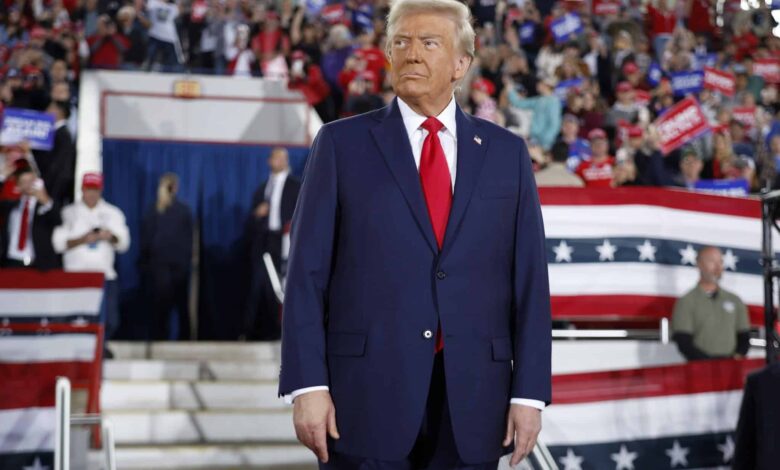
If you listened only to President Donald Trump and those who stand closest beside him, you would hear a story of progress already defining his second term. Through speeches and interviews, Trump describes a nation gaining speed, with claims of rising tariff revenues, lower gas prices, and renewed strength across the country. His message remains consistent: from his perspective, the results reflect a period of national resurgence, one he believes few leaders could equal.
Even with that confident tone, Trump’s optimistic outlook continues to inspire debate. Many of his opponents say that the success he highlights often relies on selective details and broad interpretations that not everyone agrees with.
As senior officials publicly support his agenda and align themselves with his leadership, the administration remains firmly committed to promoting his vision. Critics, meanwhile, continue voicing concerns with equal intensity. Since returning to office last January, Trump has focused on expanding executive authority, a move that has built deep loyalty among supporters while intensifying pushback among those who oppose him.
Foreign policy and immigration have again become central areas of national tension. Trump characterizes himself as a stabilizing presence on the global stage, yet several recent remarks and proposals have generated new waves of concern among analysts and international observers.
Within the United States, his tough stance on immigration continues to divide communities, and long-running political controversies involving his name still influence public conversation. These factors have made it difficult for many citizens to see the early months of his second term as a clear improvement over earlier years.
The division becomes especially visible in national polling. A recent AP-NORC survey shows a country that remains firmly split, with Trump’s approval numbers holding steady instead of climbing. According to the poll, around 40% of adults in the United States approve of the way Trump is handling his responsibilities, while approximately 59% disapprove.
These figures mirror the trends seen in the first weeks after he returned to office. Researchers found similar results across key issues, including foreign policy, trade, immigration, and the economy. Approval ratings hovered in the upper 30s, while disapproval routinely surpassed 60%.
For now, the broader message seems clear: while President Trump continues to speak with confidence and promote the idea of renewed national strength, a significant portion of the public remains unconvinced. This ongoing divide shapes the political atmosphere surrounding his presidency and influences how Americans interpret the direction of the country as his second term continues.