Self-awareness stands as a quality that develops in different ways for different people.
Some individuals naturally engage in examining their own thoughts and patterns with ease.
Others find that building this understanding calls for dedicated time along with consistent practice.
This awareness plays a role in nearly every part of daily experience.
It influences the way responses form in various situations.
It shapes communication with those around us.
It also guides how relationships develop over time.
A developed sense of self-awareness supports clear recognition of environments that may not support well-being.
It also points toward areas where positive adjustments can bring meaningful change.
One of the most valuable elements involves how it fosters ongoing personal growth and development.
Turning attention inward does not need to feel like a demanding task.
At times it can serve as an enjoyable activity that sparks natural curiosity.
Optical illusions offer one engaging method for gaining glimpses into mental processes.
These images interact with perception in ways that highlight preferences in how the mind interprets visual details.
The element noticed first in such an image can offer clues about personality traits and emotional tendencies.
Here are eight optical illusions that may offer some interesting perspectives on inner characteristics.
1. Direction of the Moving Figure

This illusion features a figure that appears to move either toward or away from the viewer despite remaining still.
The direction perceived often connects to the current state of mind.
Seeing the figure moving away may suggest a tendency toward thoughtful analysis.
People with this view often approach situations with logic and careful consideration.
They enjoy examining details thoroughly before taking action.
These individuals typically show strong skills in handling multiple responsibilities at once.
They also demonstrate solid intuition about likely results.
Seeing the figure moving toward the viewer may indicate a strong focus on tasks at hand.
People with this perspective tend to examine issues with attention to detail.
They follow systematic methods in their approach to work.
They take pride in maintaining high standards of accuracy and thoroughness.
Both ways of seeing the image provide valid insights into different approaches to perception and decision making.
2. Cat or Mouse in the Image
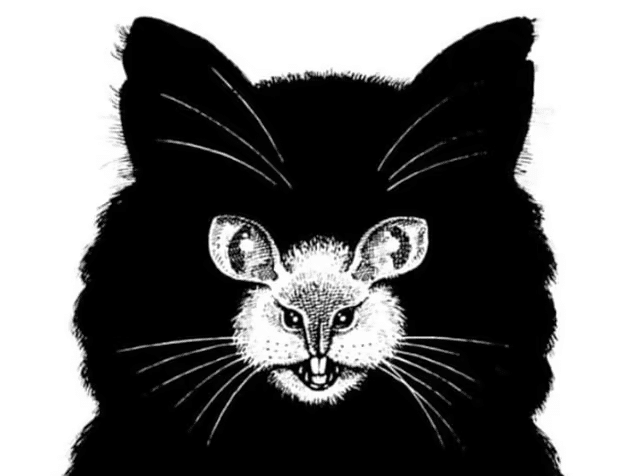
The next image draws on themes of hunter and prey relationships.
Both subjects appear concealed within the overall picture.
The mind tends to focus more intensely on one subject or the other.
Focusing first on the feline and reacting to it as a potential challenge may suggest a cautious and strategic nature.
People with this view often prefer having elements in place before moving forward.
They value stability and well-considered plans in their approach to situations.
Focusing first on the small rodent may indicate an element of adventure and willingness to explore.
People with this view often believe in taking action and moving forward with ideas.
They tend to embrace opportunities rather than spending extensive time weighing every possible outcome.
In essence this comes down to how the mind balances elements of control and exploration in daily choices.
3. Lips or Sunset in the Illustration

This image highlights some interesting differences in how minds process visual information.
Seeing the lips first may suggest a pragmatic approach to life.
People with this view often express thoughts and feelings directly.
They tend to appreciate straightforward truth in matters rather than idealized versions.
Seeing the sunset first may indicate an optimistic outlook.
People with this view often notice positive aspects in situations and in others.
They feel energized when supporting people with their tasks and challenges.
This outlook often connects with strong empathy and emotional openness.
This illustration can serve as a helpful way to consider tendencies toward realism or optimism in personal perspectives.
4. Clouds or Fish in the Scene

Some people perceive fluffy clouds across a landscape in this image.
Others notice the curved form of a fish.
Those who see clouds often show a tendency toward adaptability.
These individuals feel comfortable moving with changing circumstances and embracing new directions in life.
They navigate uncertainty with relative ease in many cases.
Those who see the fish often place value on connections within their group or community.
They tend to form strong bonds quickly and maintain loyalty in relationships.
This example illustrates how the mind can hold both desires for independence and connection at the same time.
5. Wine Glass or Two Forks

This illusion directs attention toward either the central object or the surrounding elements.
Noticing the wine glass first may suggest a highly goal-oriented approach.
People with this view know their objectives and work steadily toward them.
They remain aware of how their efforts appear to others along the way.
Noticing the forks first may indicate a tendency to act based on emotions and feelings.
People with this view often show strong empathy and place priority on supporting those around them.
This illusion offers insight into how ambition and empathy find balance in personal decision making.
6. Noticing Small Details or Main Elements

This illusion focuses on scanning patterns in a detailed scene.
Paying attention to small elements often overlooked by others may suggest a more introverted nature.
People with this view often prefer meaningful conversations in calm settings.
They gain energy from focused interactions rather than large group environments.
Noticing the main parts of the scene right away may indicate an outgoing nature.
People with this view often feel comfortable and energized in the presence of many others.
This offers a simple illustration of how responses to social environments can differ from person to person.
7. Focus on Imperfections or Overall Appearance
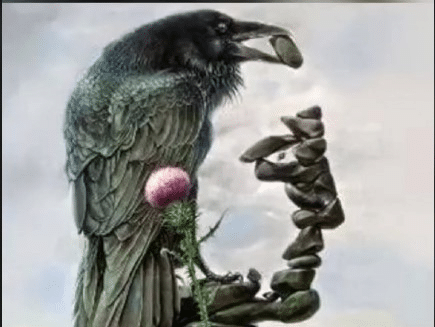
This illusion explores how internal thoughts connect with perceptions of criticism and standards.
Concentrating on imperfections within the image may suggest a tendency toward self-reflection on personal standards.
People with this view often set high expectations for themselves.
Awareness of this pattern can support balancing those standards with kindness toward oneself for sustained motivation.
Focusing on the overall appearance may suggest attention to external elements and how they appear to others.
People with this view often hold high expectations in general.
This awareness can support understanding how standards apply both inwardly and outwardly in daily interactions.
8. Insights Into Love Language Preferences

This illusion stands as one of the more layered examples.
Noticing elements of physical closeness or shared experiences first may suggest a preference for giving and receiving affection through presence and support.
People with this view often value clear expressions of care in relationships.
Noticing themes of companionship or connection may indicate a strong desire for meaningful presence with others.
Understanding these preferences supports clearer communication about what creates a sense of being valued in relationships.
This awareness can strengthen bonds by helping express emotional needs in constructive ways.
What Optical Illusions Can Reveal About Personal Patterns
These images serve as tools for self-reflection rather than formal assessments.
They offer an entertaining approach to noticing how the mind prioritizes certain patterns based on current wiring and experiences.
Psychology shows that perception connects closely with personal history, current moods, and individual traits.
What stands out first often reflects these internal factors rather than random chance.
Observing this process can lead to helpful insights about personal tendencies and preferences.
Such observations support greater understanding of how the mind processes information in everyday situations.
Ongoing Growth Through Self-Awareness
Self-awareness represents an ongoing process of learning and development rather than a fixed achievement.
It supports navigating life with greater balance and clarity regardless of whether it develops naturally or through intentional effort.
Optical illusions provide a lighthearted and accessible entry point into this exploration.
They serve as gentle reminders that perception can vary widely and that the mind often reveals its patterns through subtle cues.
While these images do not offer complete or definitive portraits, they encourage valuable thought and reflection.
At its core self-awareness involves maintaining an open curiosity toward personal experiences and patterns.
At times an engaging visual can serve as a helpful starting point for that journey of discovery.
Please consider sharing this with family and friends to spark similar conversations and reflections.