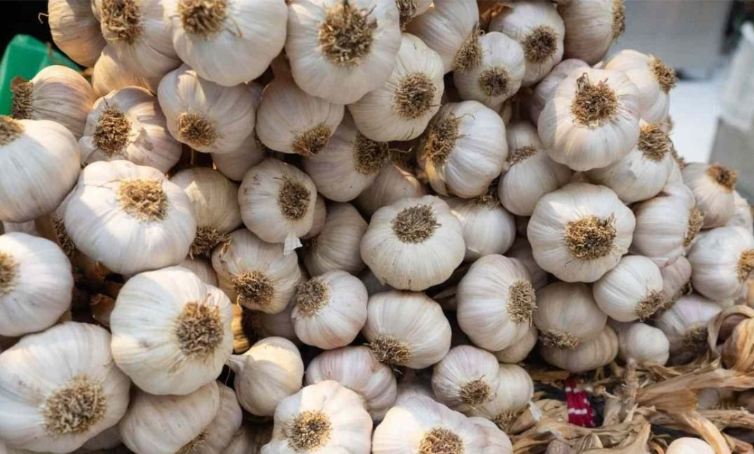
Garlic: A Remarkable Healing Staple in Your Pantry
Garlic has earned a respected place in kitchens around the world, yet its value extends far beyond flavor. For thousands of years, this humble bulb has been recognized as a source of strength, resilience, and protection. Ancient cultures such as the Egyptians, Greeks, Chinese, and Romans incorporated garlic into daily life not only as food, but also as a natural support for endurance and vitality. What was once traditional wisdom is now increasingly supported by modern research, which continues to explore garlic’s wide-ranging benefits for human health.
When garlic is chopped, crushed, or lightly bruised, it activates a powerful compound known as allicin. This sulfur-based substance is responsible for much of garlic’s therapeutic reputation. Allicin has demonstrated antibacterial, antiviral, antifungal, and antioxidant properties, making garlic a valuable ally for the immune system. These qualities help the body defend itself against environmental stressors and support overall balance.
Garlic’s influence on immunity is one of its most widely appreciated benefits. Regular inclusion in meals has been associated with enhanced immune cell activity, which may help the body respond more efficiently to seasonal challenges. Many people also find that garlic supports faster recovery during periods of illness while contributing to long-term resilience.
Another important role garlic plays involves circulation and heart health. Compounds found in garlic encourage blood vessels to relax, promoting smoother blood flow and supporting healthy blood pressure. Improved circulation allows oxygen and nutrients to reach tissues more efficiently, contributing to cardiovascular strength and overall vitality.
Garlic is also widely studied for its effect on cholesterol balance. Research suggests that it may help lower levels of LDL cholesterol while maintaining beneficial HDL cholesterol. This balance supports arterial health and may reduce the accumulation of plaque, which is associated with cardiovascular concerns.
Chronic inflammation is linked to a wide range of modern health challenges, including joint discomfort and metabolic conditions. Garlic contains natural compounds that help moderate inflammatory responses in the body. By supporting a healthier inflammatory balance, garlic contributes to long-term comfort and mobility.
Detoxification is another area where garlic plays a meaningful role. The sulfur compounds found in garlic assist the liver in processing and neutralizing unwanted substances. These compounds bind to certain toxins and heavy metals, supporting their removal and promoting internal balance.
Across global cuisines, garlic remains a central ingredient. It enriches soups, roasted vegetables, pasta dishes, sauces, and stir-fries, forming the backbone of Mediterranean and Asian cooking traditions. Its universal presence reflects an enduring truth: nourishment and wellness are closely connected, and food often serves as a foundation for health.
Clove: A Small Bud with Lasting Influence
Clove, derived from the dried flower buds of the Syzygium aromaticum tree, may appear modest in size, yet its benefits are extensive. Used for centuries in Ayurvedic, Chinese, and Middle Eastern practices, clove has long been valued for both culinary and wellness purposes. Much of its strength comes from eugenol, a naturally occurring compound known for its anti-inflammatory, antioxidant, analgesic, and antimicrobial qualities.
One of clove’s most familiar uses involves oral care. Clove oil has been relied upon for generations as a natural way to soothe dental discomfort. Eugenol helps calm sensitivity while discouraging bacterial growth, making it a traditional option for supporting gum and tooth health.
Clove also contributes to digestive comfort. It stimulates the production of digestive enzymes, helping the body process food more efficiently. This can reduce bloating, ease gas, and support a calmer digestive experience. Clove has also been used to soothe mild nausea and promote balance within the gut.
Immune support is another area where clove shines. Rich in antioxidants, clove helps protect cells from oxidative stress and supports the body’s natural defense systems. These protective effects are particularly valuable during periods of increased environmental exposure.
For those experiencing muscle tension or joint stiffness, clove’s natural compounds may help calm inflammatory responses and promote physical comfort. It has also been traditionally used to ease headaches and tension-related discomfort.
Emerging research has explored clove’s potential role in supporting healthy blood sugar regulation. Some studies suggest it may assist insulin function and help maintain more stable energy levels throughout the day.
Clove is commonly enjoyed in teas, baked goods, curries, stews, and spice blends. Even small quantities contribute both depth of flavor and meaningful wellness support.
A Time-Tested Partnership
When garlic and clove are included together in the diet, they form a complementary combination that supports multiple aspects of health. From immune resilience and heart support to digestion and inflammation balance, these two pantry staples offer broad benefits rooted in tradition and supported by modern understanding.
Their enduring presence across cultures serves as a reminder that wellness does not always require complexity. Often, the most effective support begins with simple, familiar ingredients used thoughtfully over time.