What began as an evening designed to honor the most significant accomplishments in music soon evolved into one of the most widely discussed cultural moments of the year. The latest Grammy Awards in Los Angeles offered trophies, memorable performances, and a series of meaningful statements that reached far beyond the boundaries of entertainment. As cameras captured every second and millions followed the broadcast around the world, several artists used their presence on stage to highlight themes connected to unity, identity, and immigration. Through their words and actions, the ceremony expanded into a larger reflection on experiences that shape communities everywhere.
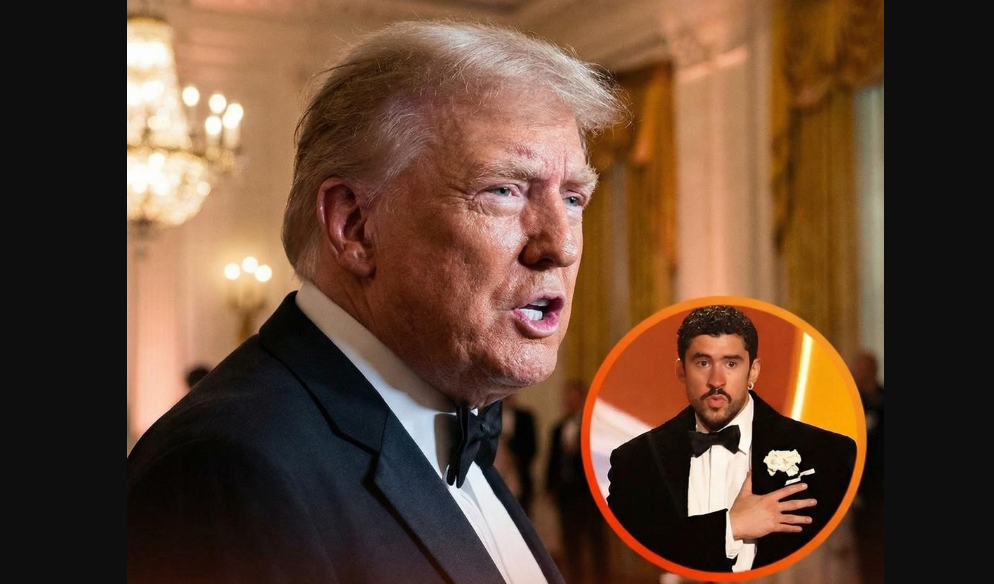
One of the most notable moments of the night came from Bad Bunny, who achieved a historic win and delivered remarks centered on compassion and togetherness. His message carried a strong emotional impact, prompting enthusiastic applause throughout the venue. Viewers across social platforms continued the conversation long after the show ended, sharing reactions, interpretations, and personal reflections inspired by his speech. The response demonstrated how deeply audiences connect with artists who speak openly about the realities that influence their lives and the lives of those around them.
As the discussions grew, many people expressed appreciation for the artists who chose to address meaningful topics during their time on stage. Others raised questions about whether award ceremonies should include commentary on social issues. This ongoing debate soon extended into the political sphere, drawing attention from public figures who regularly engage with national conversations.
Donald Trump responded publicly, voicing criticism toward what he described as the increasing politicization of major entertainment events. He also reacted to comments made by the show’s host, Trevor Noah, who included satirical jokes referencing political figures during the broadcast. Trump rejected claims connected to those jokes and mentioned that he was considering legal options. His remarks quickly attracted media coverage, leading to renewed discussions about comedy, free expression, and the responsibilities of public figures when they become subjects of televised humor.
While the Grammy Awards continued to generate headlines, attention also shifted toward the upcoming Super Bowl, where Bad Bunny is scheduled to appear in a prominent performance. Conversations surrounding the event included confirmation of heightened security measures, with officials noting that immigration enforcement would be present as part of standard planning procedures. Authorities emphasized that attendees who follow the law should feel safe and welcome at the event. Even so, the announcement prompted a range of reactions among fans, community members, and advocacy groups, each interpreting the news through their own experiences and expectations.
Taken together, the Grammy Awards and the Super Bowl highlight how major cultural events often become platforms for broader national dialogue. These gatherings bring people together for entertainment, celebration, and shared excitement, yet they also create opportunities for reflection on issues that influence society. Whether embraced or questioned by audiences, the conversations sparked by these events reveal the powerful role that music, sports, and public performances continue to play in shaping the way people understand the world around them.