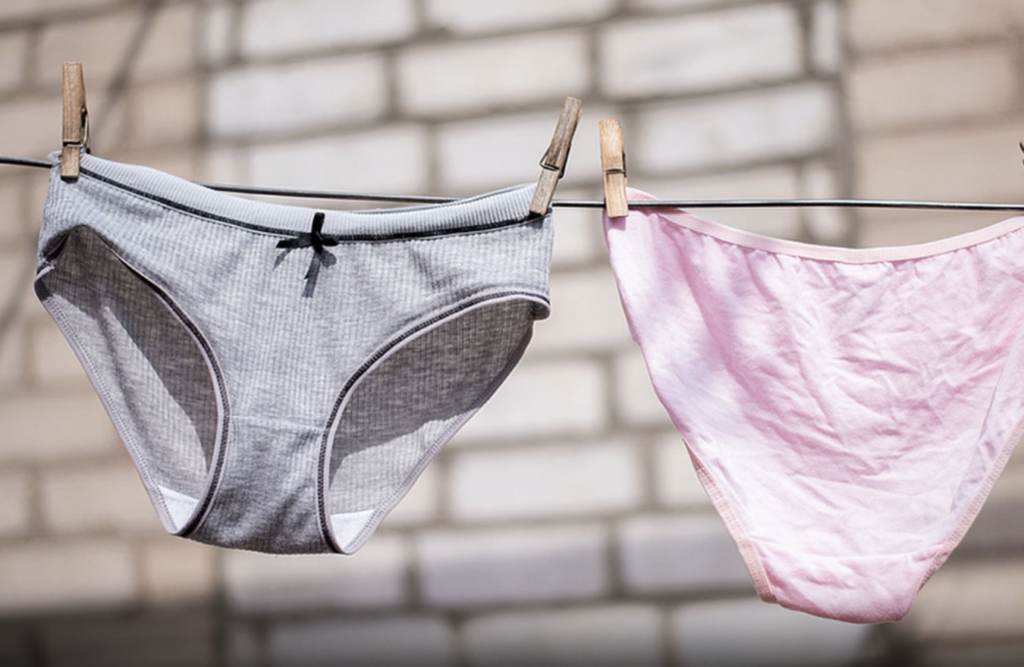
It may sound like a basic hygiene rule that everyone follows, yet many people quietly stretch the time between underwear changes. Health professionals are increasingly drawing attention to this habit, warning that wearing the same pair for too long is not only uncomfortable but can also carry meaningful health consequences. What accumulates in fabric over time can affect the skin and create conditions that allow irritation and infection to develop, which is why daily changes are widely recommended.
Research has helped put this issue into perspective. A 2021 study found that the average pair of underwear contains roughly 0.1 grams of fecal matter. While the number may appear small, it highlights how easily bacteria can accumulate in clothing worn close to the body. With that in mind, wearing underwear beyond a single day moves beyond a question of freshness and into one of health awareness, according to medical experts.
Dirty Drawers and Changing Habits
Despite long-standing guidance, a surprising number of young adults do not change their underwear every day. A 2023 poll conducted by Newsweek revealed that 36 percent of Gen Z respondents between the ages of 18 and 24 reported wearing the same pair for longer than 24 hours. Another 14 percent said this behavior was a frequent practice. Combined, half of Gen Z participants acknowledged going a full day or more without switching to clean underwear.
This pattern does not stop with the youngest generation. The same survey showed that 24 percent of millennials aged 25 to 34 also admitted to wearing the same underwear more than once before washing it. These findings suggest that extended wear has become normalized for many adults, often without full awareness of the possible consequences.
Older adults reported different routines. Among people aged 55 to 64, 67 percent said they never wear underwear for more than one day. Only a small fraction, about 3 percent, said they repeat pairs. This contrast points to generational differences in hygiene habits and perceptions of cleanliness.
Skin Irritation and Infection Risks
Doctors caution that prolonged wear of underwear is more than a cosmetic concern. Tight-fitting fabrics trap heat and moisture, which allows bacteria and yeast to multiply. Over time, this environment can irritate the skin and aggravate existing conditions.
According to Sarah Roberts, both men and women face risks when underwear is worn repeatedly without washing. She explained that friction and trapped moisture can worsen issues such as eczema or psoriasis and lead to rashes and irritation. Her comments highlight how sensitive skin areas respond quickly to prolonged exposure to sweat and bacteria.
“Harbor Moisture and Bacteria”
Roberts also warned that wearing underwear for too long can contribute to infections, including yeast overgrowth and bacterial vaginosis. Yeast infections are associated with itching, burning sensations, and thick white discharge caused by an overgrowth of candida. Bacterial vaginosis often presents differently, with a fishy odor and gray or yellow discharge resulting from an imbalance of bacteria.
Dermatologist Archit Aggarwal explained that certain anatomical features make some people more vulnerable. He noted that the vulva contains folds and crevices that retain moisture and bacteria more easily, which increases susceptibility to irritation and infection when hygiene is compromised.
Jock Itch and Men’s Health
Men are also affected by extended underwear wear. One common condition linked to moisture buildup is jock itch, a fungal infection that causes red, itchy rashes in the groin, upper thighs, and buttocks. Some assume looser garments such as boxers reduce the risk, yet experts caution that repeated wear without washing can still create problems.
Roberts emphasized that men’s underwear, even when less form-fitting, does not eliminate exposure to bacteria and fungi if worn repeatedly. Sweat and friction remain contributing factors regardless of style.
How Often Experts Recommend Changing Underwear
Medical professionals strongly advise changing underwear at least once every 24 hours. This recommendation becomes even more important for people who sweat heavily, exercise regularly, or live in warm and humid environments.
Dermatologist Hannah Kopelman explained that individuals engaged in intense physical activity may need to change underwear more frequently to maintain skin health. In hot climates, switching pairs more than once a day can help prevent irritation and bacterial growth.
Aggarwal reinforced the importance of paying attention to early warning signs. He advised that discomfort, itching, or unusual discharge should prompt an immediate change of underwear and, if symptoms persist, consultation with a healthcare professional.
Daily underwear changes may seem routine, yet they play an important role in protecting skin health and preventing avoidable infections. Small habits practiced consistently can make a meaningful difference in overall well-being.