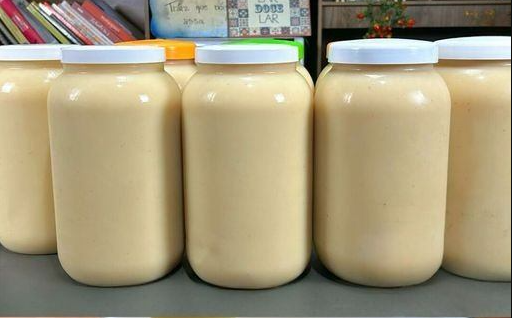
Making your own condensed milk at home can feel surprisingly satisfying, especially when you realize how simple the process really is. With only two main ingredients and a small amount of water, you can create a smooth, creamy condensed milk that closely matches the texture and sweetness of the store-bought version. This homemade option works beautifully in desserts and offers a sense of control over what goes into your food.
Many people assume condensed milk requires specialized equipment or complex techniques. In reality, it can be prepared quickly with basic kitchen tools. Beyond convenience, this method is cost-effective and allows you to make condensed milk whenever you need it, without an extra trip to the store. The final result blends seamlessly into recipes, delivering the familiar richness and sweetness people expect.
This homemade condensed milk is ideal for a wide variety of desserts. It can be used in cakes, puddings, brigadeiros, pies, cookies, and countless other treats. Because the flavor and consistency are so close to the commercial version, it integrates effortlessly into traditional recipes without altering the final outcome. Whether you enjoy baking regularly or only on special occasions, having this simple recipe on hand can be incredibly useful.
Before starting, it helps to understand what makes condensed milk unique. Its signature thickness comes from the combination of sugar and milk solids, which create a rich, velvety texture once blended properly. Powdered milk plays a key role here, offering concentrated dairy flavor without excess liquid. Sugar not only sweetens the mixture but also contributes to its smooth body and stability.
Ingredients Needed for Homemade Condensed Milk
To prepare this recipe, you will need the following ingredients:
-
1½ cups water (360 ml)
-
2 cups sugar (380 g)
-
2 cups powdered milk (200 g)
The measurements are based on a standard 240 ml measuring cup. This quantity produces approximately 800 grams of condensed milk, which is suitable for multiple dessert recipes. If a smaller amount is preferred, the quantities can be reduced proportionally.
Preparation Method Explained Step by Step
Begin by gathering all ingredients and ensuring they are measured accurately. Consistent measurements help achieve the correct texture and sweetness.
Start by heating the water gently in a saucepan over medium heat. Once the water is warm, add the sugar gradually, stirring continuously. The goal is to dissolve the sugar fully without allowing the mixture to boil aggressively. Slow, steady stirring helps prevent crystallization and ensures a smooth base.
After the sugar has dissolved completely, remove the saucepan from heat. Allow the liquid to cool slightly before moving to the next step. This brief pause is important, as adding powdered milk to very hot liquid can cause clumping.
Transfer the sweetened water to a blender. Add the powdered milk slowly while blending at a moderate speed. Blending helps incorporate air and ensures the milk powder dissolves evenly, resulting in a creamy, uniform consistency. Continue blending for several minutes until the mixture appears thick and smooth.
Once blended, the condensed milk can be used immediately or stored for later use. As it cools, it will thicken slightly more, reaching a texture very similar to traditional condensed milk.
Storage and Usage Tips
Homemade condensed milk can be stored in a clean, airtight container in the refrigerator. It typically keeps well for several days when properly sealed. Before using it again, a gentle stir may be helpful to restore its smooth consistency.
This condensed milk works well in both baked and no-bake desserts. It blends easily into batters, creams, and fillings, adding sweetness and richness without overpowering other flavors. Because it is versatile, it can also be used as a topping for fruit, coffee, or toast, depending on personal preference.
Why This Recipe Works So Well
The success of this recipe lies in its balance. Sugar provides sweetness and body, powdered milk delivers dairy richness, and water controls the final consistency. Together, they recreate the familiar qualities people associate with condensed milk, without unnecessary additives.
Making condensed milk at home also allows flexibility. You can prepare exactly the amount you need, adjust sweetness slightly if desired, and enjoy the satisfaction of creating a staple ingredient from scratch. It is a practical solution for home cooks who value simplicity and reliability.
With minimal effort and readily available ingredients, this homemade condensed milk becomes a dependable addition to your kitchen. Once you try it, it often becomes a go-to option whenever a recipe calls for condensed milk, proving that sometimes the most useful solutions are also the simplest.