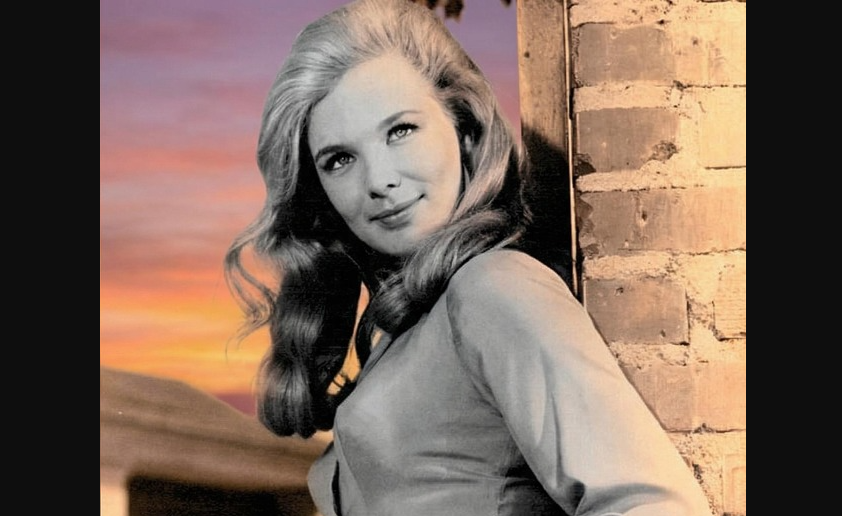
For many years, television audiences welcomed Linda Evans into their homes, often without fully recognizing how steadily she influenced one of the most important periods in broadcast history.
From traditional Western dramas to polished prime-time soap operas, Evans maintained a consistent and recognizable presence during decades that helped shape modern television. Her success was built on composure, professionalism, and performances that viewers could depend on, qualities that allowed her career to endure without relying on shock value or constant reinvention.
Rather than chasing trends, Evans established herself through stability and trust. Viewers returned week after week knowing what to expect from her work, and that sense of reliability became a defining part of her appeal. Over time, this approach positioned her as a familiar and reassuring figure during television’s most formative years.

Evans first gained national recognition in the 1960s through her role as Audra Barkley on The Big Valley, where she starred alongside the iconic Barbara Stanwyck. The series aired from 1965 to 1969 and played an important role in establishing Evans as a reliable and capable television actress. At a time when long-running roles were essential for career growth, her performance demonstrated emotional control and consistency.
Within the ensemble cast, Evans stood out for her ability to convey depth without excess. Her portrayal fit seamlessly into the show’s storytelling style, which relied on character-driven plots and weekly narratives. This early success provided a strong foundation that supported her continued rise in the television industry.
Her career reached a defining moment in the 1980s when she was cast as Krystle Carrington on Dynasty. Airing from 1981 to 1989, the series became one of the most-watched television programs of the decade and a symbol of prime-time drama at its peak. Evans’ performance as Krystle placed her at the center of a cultural phenomenon that extended far beyond the screen.
Through this role, Evans gained widespread acclaim and received several major honors, including a Golden Globe Award and multiple People’s Choice Awards. Her portrayal balanced elegance, strength, and emotional sincerity, contributing to the show’s lasting appeal. Dynasty’s influence on television storytelling and pop culture remains significant, and Evans’ work remains one of its most memorable elements.
After Dynasty concluded, Evans made a deliberate decision to step back from the demands of Hollywood. She shifted her focus toward a quieter lifestyle and personal fulfillment, choosing to reduce her public appearances. Later, she shared reflections on her life and career through her memoir, offering readers insight into her journey beyond the screen.
In 2009, she surprised audiences by winning Hell’s Kitchen UK, demonstrating a different side of her personality and a willingness to embrace new challenges. This unexpected achievement introduced her to a new generation of viewers while reinforcing her adaptability.
In recent years, Evans has lived quietly in the Pacific Northwest, where she has spoken openly about the importance of balance, health, and well-being. She has expressed appreciation for a slower pace of life, prioritizing personal peace over continued fame. Although her on-screen appearances became infrequent, her legacy within television remains firmly established.
Linda Evans’ career represents longevity shaped by professionalism and steady excellence. Her work continues to resonate with audiences who remember her roles as part of television’s most influential eras. Through decades of consistent performances, she left a lasting imprint that continues to define what enduring success in television can look like.