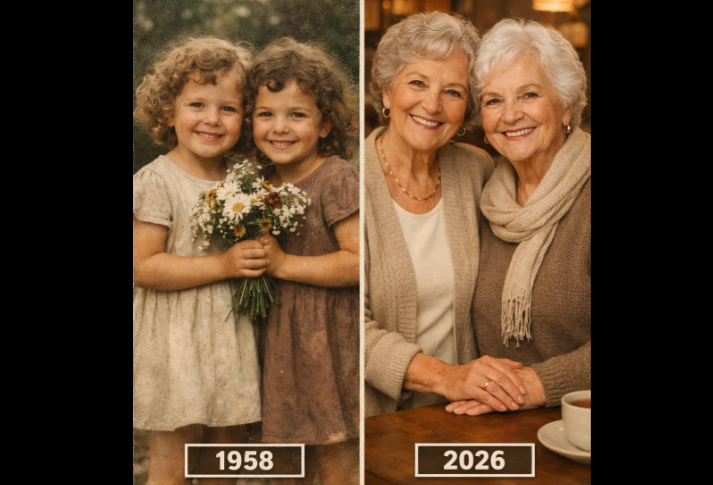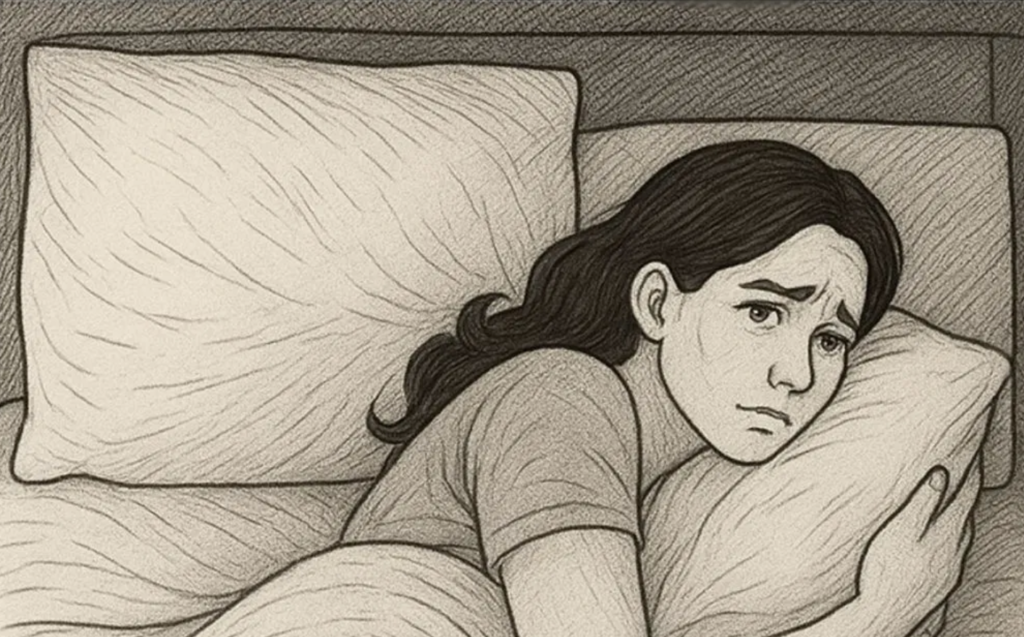
We often misunderstand intimacy, assuming it belongs only to the physical world. In reality, it lives much deeper than touch alone. It grows through trust, shared glances, emotional safety, and the courage to be seen as we are. Whether a woman is single, partnered, widowed, or somewhere in between, the desire for connection never disappears. It may soften, quiet down, or move to the background, yet it remains present, waiting for recognition.
So how long can a woman truly live without emotional or physical closeness? There is no universal timeline. The answer is shaped by emotional balance, inner resilience, and the quiet needs of the heart. What follows are gentle truths many women recognize in their own lives, often without naming them aloud.
A woman can live without intimacy, yet thriving becomes harder.
Independence allows a full and meaningful life. Responsibilities are met, goals are achieved, and routines provide structure. Still, beneath that strength, there is often a subtle absence. It shows up in the quiet moments, when there is no shared laughter, no familiar presence, no gentle reassurance. Life continues, but something tender feels unfinished.
Emotional closeness carries the greatest weight.
Physical affection can be delayed or set aside, but emotional connection feeds something essential. Being understood, valued, and emotionally held sustains confidence and inner calm. When that bond is missing, loneliness often appears quietly, even in rooms filled with people.
Silence can slowly build invisible walls.
Extended periods without warmth or affection encourage self-protection. Many women learn to rely entirely on themselves, closing emotional doors to avoid disappointment. Over time, those walls grow taller, making it harder to open up again, even when connection becomes possible.
The body remembers what the heart misses.
Even after long stretches of solitude, the body holds memory. The absence of closeness may surface as tension, restlessness, or persistent fatigue. This response is not weakness. It reflects how deeply connection is woven into human experience.
Stress finds space where comfort is absent.
Tender moments help regulate the nervous system. Without them, stress settles more easily, sleep becomes lighter, and emotional strain increases. These responses are biological, not emotional failings.
Substitutes provide support, though they never fully replace connection.
Careers, hobbies, movement, creativity, friendships, and learning offer meaning and fulfillment. They nourish important parts of life. Still, they cannot fully recreate the warmth of shared intimacy, where emotional presence flows naturally between two people.
Self-worth can feel quieter without affirmation.
Extended absence of affection sometimes leads to private doubts. Questions surface gently, then linger. This uncertainty reflects circumstance rather than value. Worth does not fade with solitude, though reassurance often strengthens confidence.
Adaptation happens, yet longing remains.
The human heart adjusts. It learns new rhythms, new sources of meaning. Yet living too long without tenderness resembles breathing shallowly. Survival continues, but vitality feels muted.
Intimacy extends far beyond physical touch.
It lives in shared laughter, long conversations, peaceful silence, and walking side by side. These moments often build stronger bonds than physical closeness alone. Emotional safety creates depth that lasts.
Solitude brings peace for some, longing for others.
Every woman experiences connection differently. Some find contentment alone, while others feel the pull toward companionship sooner. Beneath those differences lies a shared truth: the desire to give and receive love freely.
The gentle truth endures.
The absence of intimacy is not defined by touch alone. It is shaped by missing warmth, tenderness, and shared presence. Independence builds strength and self-trust. Affection brings softness, meaning, and emotional balance.
A woman can stand strong on her own. Yet when intimacy returns—whether through friendship, partnership, or deep emotional connection—it reminds her that strength and tenderness are not opposites. Together, they create a life that feels whole.