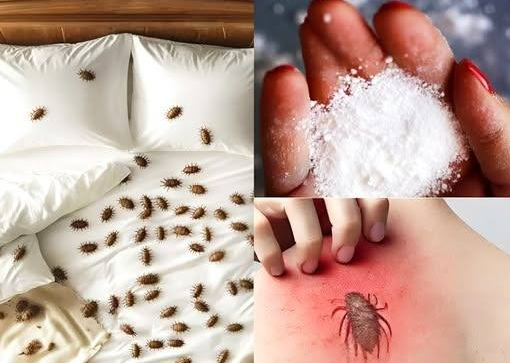
Small yet persistent, bed bugs can enter a home quietly and transform a comfortable space into a source of stress and sleepless nights. These insects feed on blood, hide with remarkable skill, and multiply rapidly once they establish themselves. Their presence often brings anxiety, frustration, and a sense of helplessness. Still, there is encouraging news. Effective and safe natural methods exist that can address bed bug infestations without exposing households to harsh chemicals. With consistency, attention to detail, and patience, it is possible to restore a calm and healthy living environment.
Bed bugs are known for their resilience. They survive exclusively on blood and can remain hidden for long periods in places most people would never think to check. Mattresses, box springs, bed frames, furniture joints, curtains, carpets, behind picture frames, and even electrical outlets provide ideal shelter. A single female bed bug can lay hundreds of eggs over a short period, allowing an infestation to grow rapidly from a small, unnoticed beginning. Their adaptability and increasing resistance to many chemical pesticides explain why conventional treatments often fail to provide lasting results. In addition, chemical solutions may pose health risks and environmental concerns. Natural approaches focus on physical and biological weaknesses, offering a safer and more sustainable path forward.
Heat is one of the most effective natural tools against bed bugs. These insects cannot survive extreme temperatures. Steam cleaning, when performed correctly, destroys both adult bed bugs and their eggs. A steam cleaner that reaches approximately one hundred twenty degrees Celsius should be used on mattresses, carpets, bed frames, curtains, upholstery, and all seams or cracks where insects may hide. Special attention should be given to mattress edges, furniture joints, baseboards, and tight corners, as these are favored nesting areas. Slow, deliberate movement of the steam cleaner ensures that heat penetrates deeply enough to eliminate hidden insects.
Diatomaceous earth provides another powerful natural option. This fine powder is made of fossilized microorganisms with microscopic sharp edges. When bed bugs come into contact with it, their outer protective layer is damaged, leading to dehydration. Death follows within hours or days, depending on exposure. Lightly applying food grade diatomaceous earth under beds, along baseboards, behind furniture, and near known hiding spots creates an effective barrier. Only food grade diatomaceous earth should be used, as other forms may be harmful if inhaled. Careful application prevents unnecessary dust while maintaining effectiveness.
Certain strong scents can also interfere with bed bugs’ ability to navigate and settle. Garlic and essential oils such as lavender, tea tree, and eucalyptus are known to repel these insects. A natural spray can be prepared by combining twenty-five milliliters of lavender oil, fifty milliliters of tea tree oil, and one liter of water. Shaking the mixture thoroughly before use ensures even distribution. Spraying mattresses, bed linens, furniture seams, and dark corners on a regular schedule increases its effectiveness and disrupts bed bug activity.
Laundry practices play a major role in controlling infestations. All bedding, clothing, and curtains should be washed at temperatures of at least sixty degrees Celsius. Heat effectively destroys eggs, larvae, and adult insects. Drying items on the hottest setting adds an additional layer of protection. For items that cannot be washed, sealing them in airtight plastic bags and placing them in a freezer for forty-eight hours offers an alternative. Extreme cold is lethal to bed bugs and prevents further spread.
Reducing available hiding places strengthens all other efforts. Sealing cracks in walls, repairing loose baseboards, tightening furniture joints, and installing protective covers on mattresses and pillows limit areas where bed bugs can shelter and reproduce. These steps reduce reinfestation risk and support long-term success.
Prevention remains essential even after elimination. Regular vacuuming of mattresses, sofas, carpets, and bed frames helps remove potential hitchhikers. Secondhand furniture should always be inspected carefully before entering the home. After traveling, luggage and clothing should be checked thoroughly before storage. Mattress and pillow encasements provide ongoing protection and simplify monitoring.
Through persistence and the thoughtful use of natural strategies, bed bugs can be eliminated without relying on toxic substances. These methods restore comfort, protect health, and bring lasting peace of mind, proving that even the most stubborn infestations can be overcome with care and consistency.