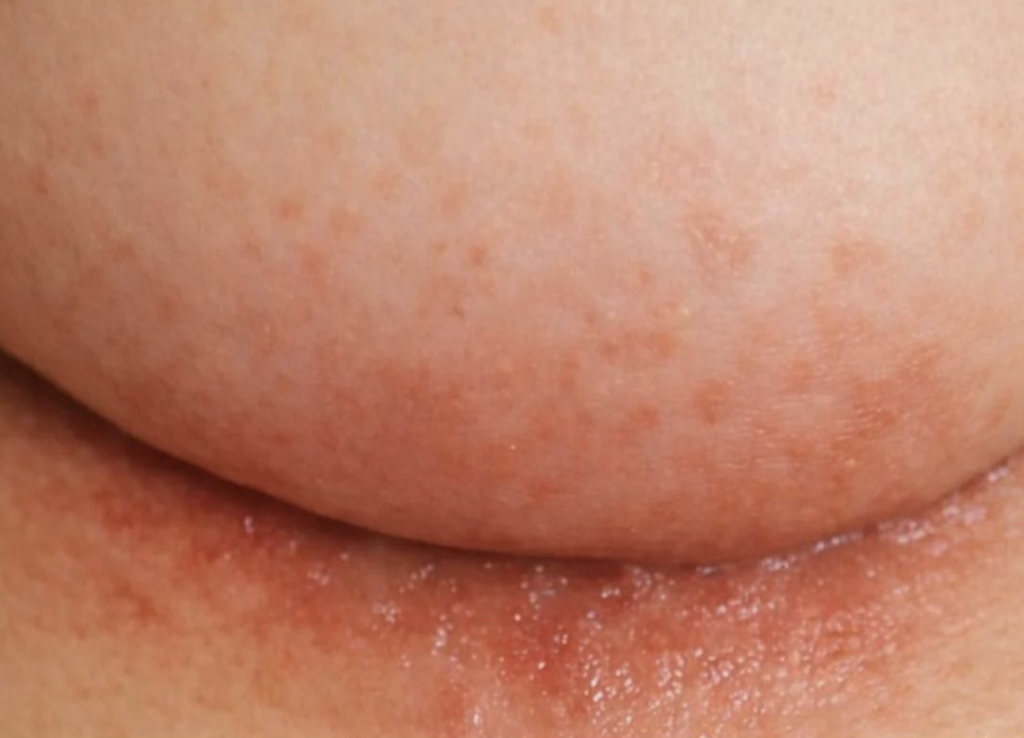
As winter settles in, many people notice changes in their skin that were not present during warmer months. Cold outdoor air, combined with dry indoor heating, steadily pulls moisture from the skin and weakens its natural protective barrier. This seasonal shift often leads to dryness, sensitivity, and irritation. One particularly uncomfortable issue that becomes more common during winter is an itchy or inflamed rash beneath the breasts.
The skin under the breasts is naturally more vulnerable than other areas of the body. It forms a warm fold where heat, moisture, and friction easily collect. During winter, layers of clothing, tight undergarments, and reduced airflow can worsen these conditions. When medical care is not immediately accessible, understanding how to calm irritation, support healing, and prevent progression becomes especially valuable. The following step-by-step guidance focuses on practical, gentle care that can help manage an under-breast rash during colder months.
1. Recognizing When a Winter Under-Breast Rash May Be Intertrigo
One of the most frequent causes of rashes in this area is intertrigo. This condition develops in skin folds where warmth, moisture, and friction interact. During winter, heavy fabrics and multiple clothing layers trap heat and perspiration, even when temperatures feel cold.
Common signs associated with intertrigo include redness, inflammation, itching, and a burning or stinging sensation. The skin may appear shiny, raw, or unusually smooth. In some cases, a mild musty or sour odor can be present. A key indicator is how the rash responds to moisture: symptoms often worsen with sweating and improve when the area remains dry and well-ventilated.
2. Identifying Warning Signs That Require Prompt Medical Attention
While many under-breast rashes are mild and manageable at home, certain symptoms signal the need for professional care. Severe pain, rapidly spreading redness beyond the skin fold, visible pus or fluid drainage, open sores, fever, chills, blisters, or darkened skin should not be ignored. These signs may indicate a bacterial infection or a more serious inflammatory process that requires prescription treatment.
3. Cleansing the Area Gently to Protect the Skin Barrier
Proper cleansing supports healing, though technique matters. The affected area should be washed once or twice daily using lukewarm water and a mild, fragrance-free cleanser. Products with strong scents, antibacterial agents, or harsh detergents can further disrupt the skin barrier and increase irritation.
Scrubbing should be avoided. Instead, use clean hands or a very soft cloth and allow the water to rinse away residue. Gentle handling reduces friction and allows inflamed skin to recover more efficiently.
4. Thoroughly Drying the Skin Fold to Reduce Irritation
Moisture plays a major role in prolonging discomfort. After cleansing, gently pat the area dry with a soft towel. Lifting the breast to expose the fold ensures no moisture remains trapped. Using a fan or a hairdryer on a cool setting can help remove lingering dampness. This simple habit often brings noticeable relief by limiting friction and reducing itching.
5. Applying a Protective Barrier to Support Healing
Barrier products help shield irritated skin from moisture and friction while healing occurs. Zinc oxide ointments, petrolatum-based products, and certain diaper rash creams form a thin physical layer over the skin. Applied to clean, dry skin, these products reduce irritation and support repair. A light, even application works best and avoids trapping excess moisture.
6. Addressing Possible Yeast Involvement With Appropriate Topical Care
When a rash remains bright red, itchy, and persistent, yeast overgrowth may contribute. Over-the-counter antifungal creams containing clotrimazole, miconazole, or ketoconazole can be helpful. These should be applied twice daily for seven to ten days, continuing the full course even if symptoms improve early. Consistent use reduces the likelihood of recurrence.
7. Supporting Long-Term Prevention During Winter
Preventing recurrence involves daily habits. Wearing breathable, moisture-wicking fabrics, changing damp clothing promptly, and ensuring bras fit comfortably can reduce friction. At home, allowing periods of airflow to the area supports skin balance. Maintaining hydration and caring for overall skin health also contribute to resilience during winter months.
Managing an under-breast rash during winter often comes down to moisture control, gentle care, and early attention to changes. With thoughtful daily practices and awareness of warning signs, many people find relief and prevent the issue from escalating, even during the driest and coldest parts of the year.