When you crack an egg in your kitchen, it may seem like a routine moment, something done without much thought. Yet behind every egg is a living animal whose health, environment, and care directly influence what ends up on your plate. The condition of the chicken that laid the egg affects its nutritional value, flavor, texture, and overall safety. Understanding how to recognize a high-quality egg allows you to make informed choices for yourself and your family while supporting better farming practices.
Below are six reliable signs that help reveal whether an egg likely came from a healthy, well-cared-for chicken.
A Strong and Well-Formed Shell
The shell offers the first visible clue. Eggs from healthy hens typically have shells that feel solid and resilient. When held gently, the shell should not dent easily under light pressure. Uniform coloring is another indicator, with no large faded areas or unusual patches. Cracks, thin spots, or fragile shells often point to nutritional imbalances, especially a lack of calcium or minerals in the hen’s diet. Chickens that receive proper nutrition and experience low stress tend to produce sturdier shells. Eggs from small farms or pasture-based systems frequently show this strength due to better feeding practices and living conditions.
A Thick and Clear Egg White
Once cracked into a bowl, the egg white provides valuable insight. A high-quality egg has a thick, clear albumen that clings closely to the yolk instead of spreading thinly across the dish. This thickness reflects freshness and good hen health. Watery or runny whites often indicate older eggs or hens that lacked adequate protein and minerals. Balanced diets rich in natural feed sources support stronger egg whites and better internal structure.
A Vibrant, Firm Yolk
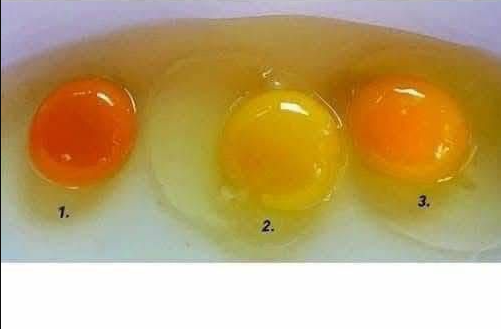
The yolk is often the most telling feature. Eggs laid by healthy chickens usually contain yolks that are rich in color, ranging from deep golden yellow to orange. This hue comes from carotenoids found in grass, seeds, insects, and leafy plants. Hens that forage outdoors tend to consume a wider range of nutrients, which directly affects yolk color and nutrient density. The yolk should also stand tall and rounded when cracked, with a membrane strong enough to hold its shape. Flat or pale yolks often suggest limited diets or prolonged storage.
Few Internal Spots or Irregularities
While small blood or protein spots are not harmful, frequent spotting can reflect stress, age-related issues, or less-than-ideal flock conditions. Chickens raised in stable, calm environments with consistent care typically produce eggs with a cleaner internal appearance. Uniformity inside the egg often mirrors the overall wellbeing of the hen.
A Clean, Neutral Smell
Fresh eggs from healthy chickens have little to no odor when cracked open. A strong sulfur-like or unpleasant smell signals spoilage or contamination and means the egg should not be consumed. Proper handling and storage play a role, but the hen’s health and cleanliness also matter. Eggs laid in clean nesting areas are less likely to carry unwanted bacteria.
Performance in the Water Test
A simple water test can offer additional confirmation. Place the egg gently into a bowl of water. Fresh eggs from healthy hens usually sink and rest flat at the bottom. As eggs age, air enters through the shell, causing them to tilt upward or float. Eggs with minimal air space tend to be fresher and better formed, often reflecting consistent laying patterns and proper care.
Why Hen Health Matters
Chickens that live in clean, low-stress environments and receive balanced nutrition produce eggs with superior qualities. These eggs often contain higher levels of omega-3 fatty acids, vitamins A and E, and beneficial antioxidants. Hens allowed to move freely, forage, and follow natural behaviors tend to produce eggs with better texture, flavor, and nutrient balance.
Making Thoughtful Choices
Paying attention to shell quality, yolk appearance, egg white thickness, freshness, and smell can help you select better eggs. Purchasing from trusted local farms, pasture-raised producers, or certified organic sources increases the likelihood that the eggs came from healthy chickens. These choices support both your wellbeing and farming practices that prioritize animal care.
In the end, an egg tells a story. Learning how to read it empowers you to choose food that reflects care, quality, and thoughtful production—one simple step toward better eating habits and a more informed kitchen.