About a week ago, I reached out to a friend with a simple request. While my own apartment was undergoing renovations, I asked if I could stay temporarily in his old place. He agreed immediately, assuring me it wouldn’t be a problem. The apartment was dated but livable, and at first, everything seemed fine. I moved in, unpacked the essentials, and settled into what I expected would be a quiet, short stay.
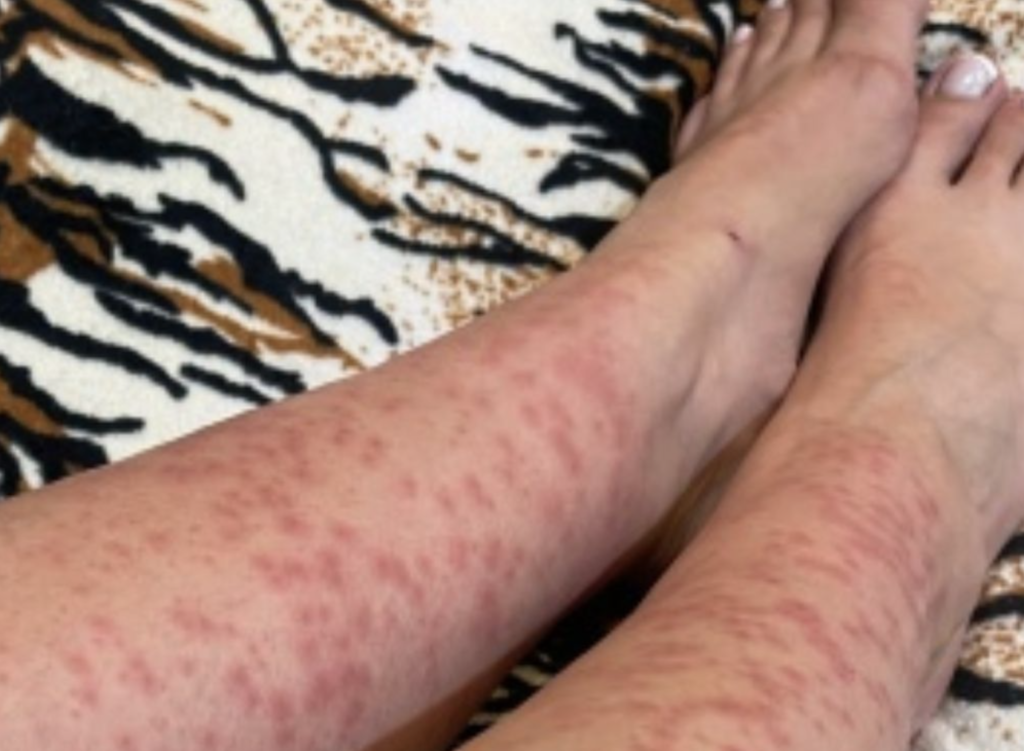
A few days later, something unusual began to happen. I started noticing small, itchy bumps appearing on my skin. At first, there were only a few, mostly on my legs. By the following mornings, more had appeared on my back and lower arms. The itching was persistent and distracting, especially at night. What troubled me most was that nothing else in my routine had changed. I was using the same soap, the same shampoo, and following the same hygiene habits I always had. That consistency made me suspect that the source of the problem wasn’t personal care, but the environment I was sleeping in.
Since a doctor’s visit wasn’t immediately affordable, I decided to research the symptoms on my own. I spent hours reading articles, forums, and medical resources, trying to match my experience with possible explanations. One possibility appeared again and again in my searches: bed bugs. The more I read, the more the description seemed to align with what I was experiencing.
The apartment itself was old, and the mattress had clearly seen years of use. That detail alone made me uneasy. I carefully examined the mattress, checking seams, corners, and the surrounding bed frame. I didn’t notice obvious signs such as insects, dark spots, or shed skins. Even so, uncertainty lingered. Wanting to take action, I carried the mattress out onto the balcony and left it there in direct sunlight for the entire day. Later, I layered multiple sheets and covers over it, hoping to create a barrier before sleeping on it again.
Despite these efforts, the bites continued to appear. Each morning brought new itchy marks, and each night made rest more difficult. With no alternative place to sleep for the remainder of the week, I endured the discomfort while continuing to search for answers.
According to information published by the NHS, bed bugs are extremely small insects that often hide in mattresses, bed frames, and upholstered furniture. They tend to be active at night and feed on exposed skin while a person sleeps. Their bites do not transmit disease, but they can cause significant irritation, itching, and sleep disruption.
One of the reasons bed bug infestations are difficult to identify is that reactions vary widely. Some people develop visible, itchy welts, while others show little or no reaction at all. This variation allows infestations to persist unnoticed, especially in shared or previously occupied living spaces.
There are several signs commonly associated with bed bug bites, though none are universal. One of the most frequent indicators is the appearance of small, red, itchy bumps on the skin. These spots may become inflamed and uncomfortable, and repeated scratching can break the skin, increasing the risk of infection.
Another common pattern is the location of the bites. Bed bugs often target areas that remain uncovered during sleep, such as the legs, arms, neck, shoulders, or back. The bites may appear in clusters or lines, though this is not always the case.
Timing can also be misleading. In many situations, itching and swelling do not appear immediately after the bite occurs. Reactions may develop hours later, days later, or even weeks after exposure. This delay can make it difficult to connect the symptoms to their cause.
Sensitivity plays a role as well. Some individuals experience stronger reactions, including pronounced swelling or pain. In rare cases, severe allergic responses can occur, requiring urgent medical attention.
If unexplained red, itchy bumps suddenly begin appearing on your skin, especially after sleeping in a new or unfamiliar place, seeking medical advice is strongly recommended. A healthcare professional can help determine the cause, provide treatment to relieve symptoms, and advise on next steps. Identifying the issue early can prevent prolonged discomfort and help protect both your health and your living environment.