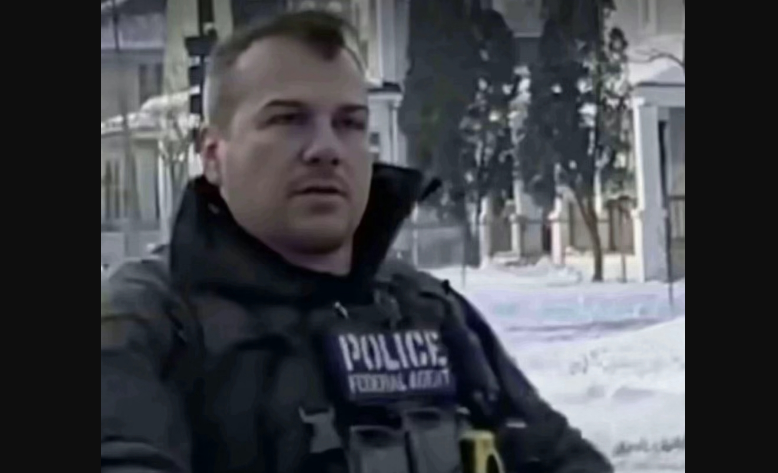
A quiet winter morning in south Minneapolis turned into a moment of lasting consequence when a federal immigration operation ended with the death of a local resident. On January 7, 2026, a U.S. Immigration and Customs Enforcement agent discharged a firearm during an enforcement action, fatally wounding a 37-year-old woman.
The incident unfolded quickly, yet its impact has continued to ripple through the city, raising serious questions about accountability, transparency, and the use of force during federal operations carried out in local neighborhoods.
The woman who lost her life was identified as Renee Nicole Good, a resident of Minneapolis and a United States citizen. According to publicly available information, the shooting occurred while she was inside her vehicle.
Video footage and eyewitness statements indicate that officers approached her car moments before shots were fired. Emergency responders were called to the scene, though efforts to save her life were unsuccessful. News of her death spread rapidly, prompting grief among community members and renewed scrutiny of federal enforcement practices.
Federal authorities released their account within hours of the incident. Officials from the Department of Homeland Security and ICE stated that the agent involved believed there was an immediate threat to officer safety.
According to their explanation, the vehicle was perceived as being used in a dangerous manner, leading the agent to act in what was described as self-defense. Homeland Security Secretary Kristi Noem publicly supported this assessment, stating that the agent responded to a situation they believed placed lives at risk. Federal statements also suggested that earlier interactions that day had contributed to the agent’s perception of danger.
At the local level, officials offered a markedly different interpretation based on available evidence. Minneapolis leaders, including Mayor Jacob Frey, reviewed the same video footage and publicly stated that it did not align with claims that Renee Nicole Good attempted to strike officers with her vehicle.
City representatives emphasized that the visual evidence appeared to show a woman attempting to move or exit the area rather than engage aggressively with officers. These statements added complexity to the public narrative and intensified calls for an independent and transparent investigation.
Eyewitnesses who were present in the area described a scene filled with confusion and fear. Several individuals said the woman appeared to be attempting to drive away when the confrontation escalated.
Community members shared accounts through local media and public gatherings, expressing disbelief that a routine operation resulted in the loss of life. For many residents, the incident reinforced long-standing concerns about the presence of federal enforcement agencies operating within city limits.
Public response in Minneapolis was swift and emotional. Vigils honoring Renee Nicole Good were held near the site of the shooting, where friends, neighbors, and activists gathered to share memories and demand answers.
Demonstrations followed, with protesters calling for ICE to reduce or end its operations in the city. Messages written on signs and spoken at rallies centered on themes of accountability, community safety, and the human cost of enforcement actions.
City officials urged calm while acknowledging the depth of public concern. Statements from local leaders emphasized the importance of peaceful expression alongside a firm commitment to uncovering the full truth of what occurred. Law enforcement agencies confirmed that multiple investigations were underway, involving both state and federal authorities. These inquiries aim to reconstruct the sequence of events, evaluate the use of force, and determine whether policy or legal standards were violated.
As of now, no formal findings or legal determinations have been released. The investigative process remains ongoing, and officials have stated that conclusions will be shared once all evidence has been reviewed. For the family of Renee Nicole Good, the waiting period has been marked by grief and uncertainty. Supporters continue to advocate for transparency, expressing hope that a thorough examination will provide clarity and accountability.
This incident has become more than a single case. It stands as a focal point in a broader conversation about federal authority, community trust, and the responsibilities that accompany enforcement power. While the investigations move forward, Minneapolis residents continue to reflect on the loss of a life and the questions that remain unanswered.