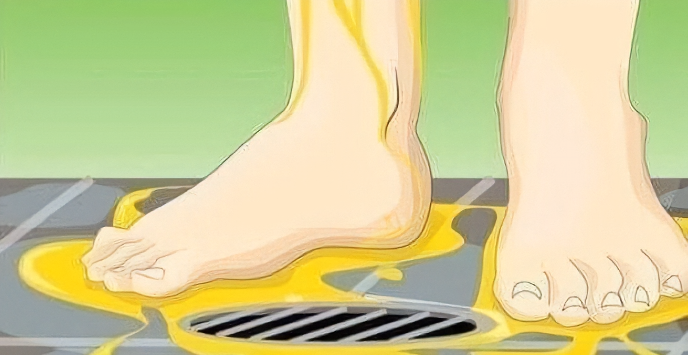
Peeing in the shower is a common practice for many due to its convenience, but is it truly safe? While it may appear harmless, health professionals highlight several risks, particularly for women, that warrant attention.
Why Do People Choose to Pee in the Shower?
Let’s examine the reasons this habit appeals to some individuals:
-
Convenience – Being already in the bathroom makes it feel like a practical choice.
-
Water Conservation – Some view it as a way to reduce water usage by avoiding a toilet flush.
-
Privacy – For those sharing living spaces, it can feel like a discreet alternative.
Despite these perceived advantages, medical experts emphasize that peeing in the shower carries risks that outweigh its benefits.
Why Experts Advise Against Peeing in the Shower
Here are the key reasons health professionals recommend avoiding this practice:
1. Bacterial and Mold Growth
Urine is sterile when it exits the body, but showers provide a warm, moist environment ideal for bacteria and mold to flourish. For women, urine splashback can introduce bacteria to the vaginal area, increasing the risk of urinary tract infections (UTIs) or yeast infections.
2. Compromised Hygiene
Showers are designed for cleaning, not for waste elimination. Urine can combine with soap residue, dirt, and other contaminants, creating an unsanitary surface. In shared bathrooms, this practice may expose others to germs.
3. Pelvic Floor Health Concerns
Urinating while standing or squatting may prevent the bladder from emptying fully, potentially leading to:
-
Bladder retention issues
-
Higher risk of UTIs
-
Weakened pelvic floor muscles over time
4. Skin Irritation Risks
Urine contains ammonia and urea, which can irritate the skin, particularly for those with sensitive skin types.
5. Psychological and Behavioral Impacts
Regularly peeing in the shower may blur the lines between hygiene and waste disposal, fostering habits that could undermine proper self-care routines.
Healthier Alternatives to Peeing in the Shower
To maintain better hygiene and health, consider adopting these practices:
-
Use the Toilet First – Empty your bladder fully before showering to minimize infection risks.
-
Stay Hydrated – Adequate water intake supports a healthy urinary system.
-
Clean Your Shower Regularly – Frequent disinfection reduces bacterial and mold growth.
-
Consult a Professional – If you experience frequent urges to urinate, seek medical advice to address potential underlying issues.
Are There Situations Where It’s Acceptable?
While experts generally discourage peeing in the shower, certain circumstances may make it a reasonable option:
-
Medical Conditions – Individuals with mobility challenges may find it more practical to urinate in the shower.
-
Post-Surgical Recovery – Some patients recovering from pelvic surgeries may be advised by their doctors to urinate in the shower.
Even in these scenarios, maintaining proper shower hygiene remains critical to prevent complications.
Final Thoughts: Should You Pee in the Shower?
While peeing in the shower may feel like a convenient choice, the potential health risks—ranging from infections to pelvic floor issues—suggest it’s a habit worth reevaluating. By prioritizing proper hygiene practices and bathroom routines, you can safeguard your health and maintain a cleaner, safer environment.