Public attention continues to center on the death of Renee Nicole Good, an event that has prompted widespread discussion, public demonstrations, and ongoing calls for transparency. The case has remained in the spotlight as investigators work through evidence and testimony. At the heart of the matter is Jonathan E. Ross, a ten-year veteran of U.S. Immigration and Customs Enforcement’s special response team, whose actions during a federal operation are under formal review.
As inquiries progress, newly released documents, along with statements from witnesses and community members, have added additional layers to the public understanding of the situation. For the first time since the incident, Ross’s father has spoken publicly, offering a firm defense of his son’s character and professional conduct. Alongside that statement, court records, property filings, and neighborhood accounts have contributed to a more detailed portrait of an officer now facing intense public examination.
A significant part of the discussion has focused on an earlier event involving Ross in June 2025, during a high-risk arrest attempt in Minnesota. Federal documentation indicates that Ross sustained injuries during an effort to detain a suspect who attempted to flee using a vehicle.
Records state that Ross was briefly dragged before managing to free himself, resulting in injuries to his arms and hands that required medical treatment. This earlier incident has been referenced in official settings as background information relevant to Ross’s professional experiences.
During a White House briefing, J. D. Vance cited that encounter when discussing the officer’s actions, noting its relevance to how officers assess threats in rapidly developing situations. Differences between publicly shared summaries and detailed court filings have drawn attention to the need for careful examination of all available records. These details reinforce calls from legal experts and community leaders for a comprehensive and independent review process.
Jonathan E. Ross has not released any personal statements regarding the incident. His father, speaking on his behalf, described him as a committed parent and a disciplined officer who takes his responsibilities seriously. He expressed confidence that his son followed established training and procedures.
Public records show that Ross has lived in the Minneapolis area for more than a decade and previously served in the U.S. military. Individuals living nearby have described him as reserved and private. Some neighbors have recalled political symbols displayed at the residence in the past, alongside observations that the family maintained polite and respectful interactions within the community.
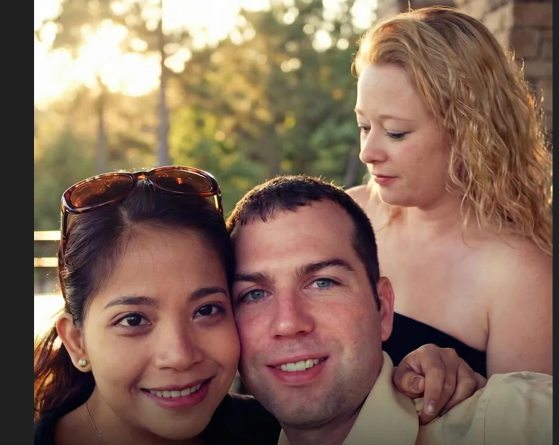
Additional context has emerged through information about Ross’s household, which includes close connections to immigrant communities through his wife’s family. These personal details have become part of broader conversations about identity, background, and the emotional pressures experienced by law enforcement professionals operating in highly sensitive environments.
The fatal encounter occurred on January 7, 2026, during a federal enforcement operation in the Powderhorn Park neighborhood of Minneapolis. Video footage that later circulated online shows federal agents approaching and surrounding a vehicle.
Moments later, gunfire can be heard, followed by the vehicle coming to a stop after a collision. Statements released by the Department of Homeland Security indicated that officers believed the vehicle was being used in a threatening manner and that shots were fired in self-defense.
Accounts shared by people who witnessed the scene described a tense and frightening sequence of events unfolding quickly in a residential area. These descriptions have contributed to community concerns about use-of-force guidelines and emergency response practices during enforcement operations.
In the days that followed, residents organized vigils to honor Renee Nicole Good and to express grief and solidarity. Community leaders and advocacy groups have called for accountability, emphasizing the importance of clear communication and transparent investigative procedures. Elected officials at the local and state levels have encouraged patience as multiple investigations proceed, including reviews by state and federal authorities. As evidence is examined and testimony gathered, the case continues to resonate beyond Minneapolis, becoming part of a larger national discussion about federal enforcement policies, public safety responsibilities, and the relationship between law enforcement agencies and the communities they serve.