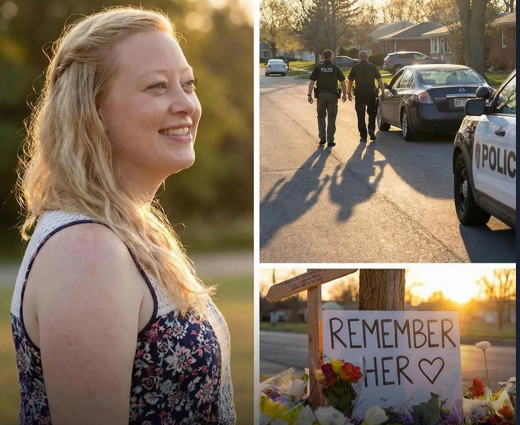
A fatal encounter involving federal immigration officers in Minneapolis has left a city grieving, divided, and demanding clarity. What began as a routine enforcement operation on January 7, 2025, quickly escalated into a tragedy that claimed the life of a 37-year-old woman and left a federal officer injured.
In the hours that followed, official statements were released by the Department of Homeland Security in an effort to explain the actions taken by agents from U.S. Immigration and Customs Enforcement. Those early explanations, however, were met with skepticism and concern from community members who questioned whether the official narrative captured the full reality of what occurred.
According to statements from DHS Secretary Kristi Noem, the incident unfolded as agents attempted to assist a government vehicle that had become stuck in snow. During that moment, officials said a group of people began shouting and gathering around the officers, creating a tense and unpredictable environment.
Federal accounts state that the woman involved, later identified by her family as Renee Nicole Good, remained inside her vehicle and did not comply with repeated instructions to exit. Authorities maintain that her vehicle was used in a manner perceived as threatening, leading one agent to discharge his weapon in what was described as self-defense.
The federal officer involved in the incident was treated for injuries and released from medical care later the same day. Secretary Noem publicly acknowledged the loss of life, describing the outcome as tragic while standing by the assertion that the agent acted according to established training and protocol. These remarks were intended to provide reassurance, yet they also intensified questions among residents who felt that critical details were still missing.
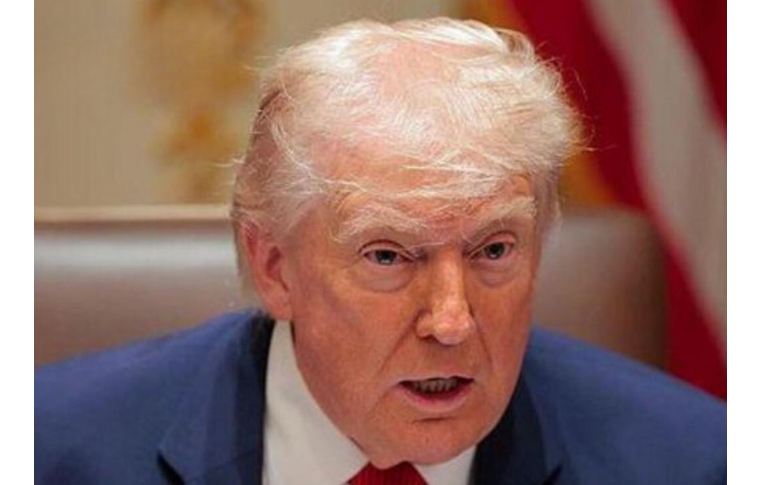
At the national level, political figures echoed the federal government’s position. Former President Donald Trump weighed in publicly, describing the situation as chaotic and highlighting the risks faced by law enforcement officers during high-pressure encounters.
Federal officials further referenced other recent incidents involving vehicles and officers, suggesting a broader pattern of concern that influences how agents assess potential threats in the field. Despite these explanations, the speed with which the shooting was defended—before the completion of an independent investigation—deepened frustration among advocates and local leaders.
Within Minneapolis, the reaction has carried a very different tone. In neighborhoods closest to where the incident occurred, residents gathered for vigils to honor Renee Nicole Good’s life. Candles, flowers, and handwritten notes lined sidewalks as friends, neighbors, and faith leaders shared memories of a woman they described as compassionate, creative, and consistently devoted to those around her.
Family members spoke of Good as a poet and a mother who valued community, connection, and quiet acts of care. Their accounts painted a portrait of someone whose life extended far beyond the circumstances of her death.
Local officials, including city leaders and state lawmakers, have called for a transparent and independent review of the shooting. They have emphasized that public trust depends on accountability and a thorough examination of all available evidence, including witness statements and video footage.
For many residents, the issue reaches beyond a single incident and touches on broader concerns about federal enforcement practices, the use of force, and how split-second decisions can alter lives permanently.
As investigations continue at both the state and federal levels, the case has become a focal point for ongoing conversations about community safety and oversight. Advocacy groups have urged patience alongside persistence, encouraging residents to remain engaged while allowing investigators the time needed to establish a clear and accurate understanding of events. At the same time, family members and supporters of Renee Nicole Good continue to stress that remembrance and accountability are not opposing goals, but interconnected responsibilities.
In Minneapolis, the impact of January 7 is still unfolding. The loss of a community member has left an absence that cannot be filled by statements or press conferences. As officials work to determine what happened and why, many residents hope the process will lead to answers that honor both the seriousness of the situation and the humanity of those involved. The outcome of this case may influence how future operations are conducted, but for those who knew Renee Nicole Good, the focus remains on preserving her memory and seeking understanding in the wake of a life lost too soon.