Living liver donation represents one of the most profound expressions of family love and commitment. When a family member steps forward to give a portion of their healthy liver to save a loved one facing serious liver challenges, it highlights the deep bonds that tie us together.
These procedures have brought renewed hope to countless families across the country. Recipients often regain strength and enjoy more precious time with those they cherish most. The opportunity to extend life through donation creates moments of gratitude that strengthen relationships for years to come.
The liver is a remarkable organ, unique in its ability to regenerate. After a living donor gives a section of it — often around half — the remaining part in the donor and the transplanted portion in the recipient can grow back to nearly full size within a few months. This natural healing process supports successful recovery for both individuals involved.
This regenerative quality has made living donation a vital option, especially when waiting lists for deceased donor organs remain long. For older adults watching their children or grandchildren face health decisions, these stories often stir reflections on family sacrifice and resilience. Many families find comfort in knowing such generous options exist in modern medicine.
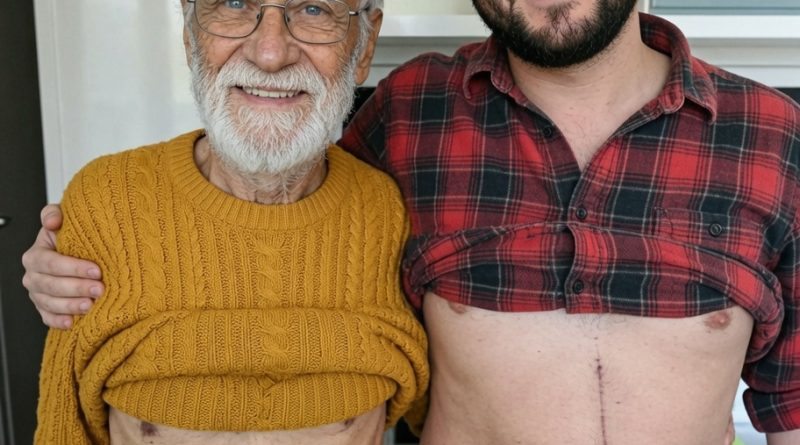
A Son’s Courageous Choice to Help His Father
In many families, adult children become the donors when a parent needs help. Picture a devoted son learning that his father’s liver condition has taken a serious turn. Without hesitation, he offers to undergo testing to see if he is a compatible match.
Medical teams carefully evaluate potential donors, ensuring they are in good health and fully understand the process. When the son is approved, the family feels a wave of optimism and renewed possibility for the future.
The surgery itself is complex but well-established in experienced transplant centers. Both the donor and recipient are operated on simultaneously in nearby rooms to minimize time outside the body for the liver segment. This coordinated approach helps support the best possible outcomes.
Initially, everything often goes smoothly. The father begins to show encouraging signs of improvement, and loved ones celebrate the son’s selfless act as a true gift of life. The family gathers with a sense of relief and appreciation for the medical team’s expertise.
Friends and relatives rally to offer support, sharing stories of gratitude and admiration. The son’s decision becomes a source of inspiration, reminding everyone of the strength found in unconditional family love and the willingness to help during difficult times.
The Realities and Potential Challenges of Recovery
While many living liver donations lead to positive outcomes for both parties, recovery requires time and care. The body needs a period of adjustment after such a major procedure. Donors typically spend several days in the hospital for close monitoring, followed by weeks or months of gradual return to normal activities.
Health experts note that, like any significant surgery, there can be hurdles along the way. Some donors experience temporary issues such as infections, fluid buildup, or adjustments in liver function that require additional care and attention from specialists.
In rarer cases, more serious concerns arise, prompting extended medical attention. Transplant teams work tirelessly to address these, drawing on years of expertise to support full healing and successful long-term results.
For families in their later years, hearing about these possibilities can bring a mix of emotions. It underscores the importance of thorough discussions with doctors beforehand, weighing the profound benefits against the known risks. Many donors report that, despite challenges, they would make the same choice again, valuing the extra years shared with their loved one.
How Living Donation Strengthens Family Ties
Stories of living liver donation often reveal how trials can bring families closer together. Parents express immense thankfulness for their child’s generosity, while the donor finds deep fulfillment in making a difference during a critical time.
Siblings, spouses, and grandchildren rally around, offering meals, errands, and emotional encouragement during recovery. These shared experiences create new layers of connection and appreciation within the family unit.
Communities also respond with kindness. Online messages of encouragement pour in, and local groups sometimes organize support efforts. These acts remind us that even in difficult times, people come together with compassion and hope.
Medical advancements continue to improve safety and outcomes. Transplant programs emphasize careful donor selection, advanced surgical techniques, and comprehensive follow-up care. For those considering donation, speaking with specialists provides clear guidance tailored to individual circumstances and health profiles.
Reflections on Gratitude and Hope
At its core, living liver donation is about extending life’s meaningful moments. Fathers regain energy to attend family gatherings, share wisdom with grandchildren, or simply enjoy quiet evenings at home with loved ones. Sons and daughters carry forward a legacy of caring that echoes through generations.
As we grow older, these accounts encourage thoughtful conversations about health and legacy within our own families. They serve as gentle reminders to cherish our connections and appreciate the medical options available today that support longer, healthier lives together.
In the end, while every journey has its uncertainties, the courage shown in these acts of giving leaves a lasting impression of hope, love, and human resilience. Families who experience living donation often report stronger bonds and a deeper appreciation for the time they share.
Many people find inspiration in these stories and begin researching ways to support organ donation awareness in their communities. Whether through registration as a donor or simply spreading information, individual actions contribute to a larger network of care and possibility.
Living liver donation continues to evolve with medical progress, offering new hope for families facing liver disease. The combination of scientific advancement and human generosity creates outcomes that transform lives in profound ways. Each successful donation represents not only a medical achievement but also a celebration of family commitment and the enduring power of love.