Few things are impervious to the damage nature can inflict when it strikes. Catastrophic weather events such as floods, tornadoes, and hurricanes often cause millions of dollars in damage.
When Mother Nature acts unpredictably, often all we can do is get out of the way or take measures to protect our property.
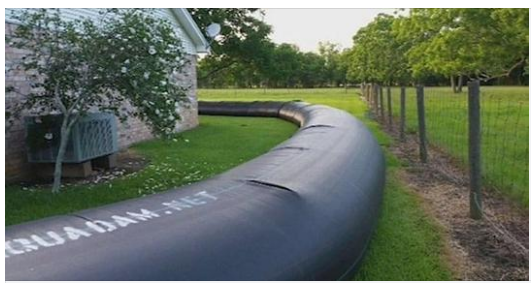
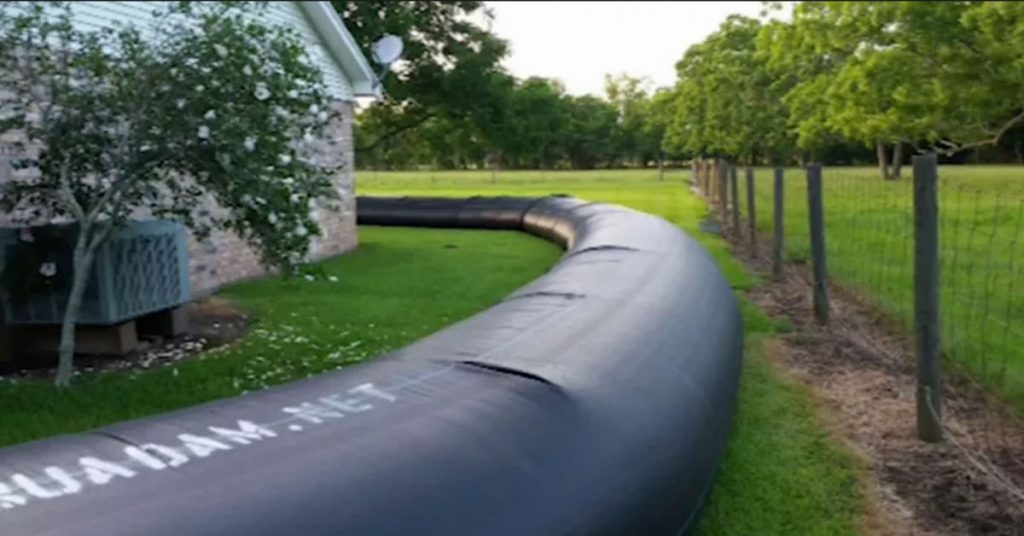
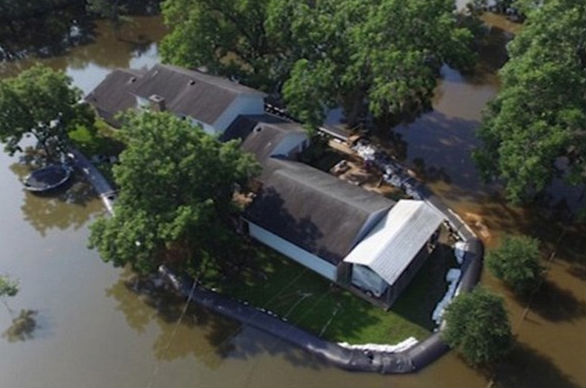
Texas resident Randy Wagner took such measures to protect his home during hurricane season. He spent up to $8,300 on a 400-foot length of plastic sheeting to shield his home from floodwaters.
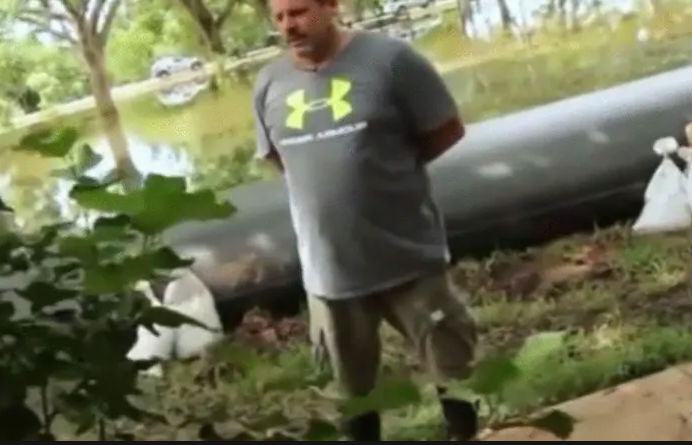
Many of his friends and neighbors thought it was a foolish investment, considering it absurd to spend so much money on plastic and so much time setting it up.
To them, Randy’s prudent decision to fortify his house against the storm seemed insane. However, his $8,300 investment ultimately saved him from losses that could have cost up to $150,000 to repair.
Knowing what safety precautions to take when a hurricane is approaching is crucial, just like Randy did. Here are some basic recommendations:
Before an evacuation order is issued, stay aware of your surroundings and familiarize yourself with the best evacuation routes. Make plans for where you can stay, and pack an emergency kit with essentials like a flashlight, batteries, cash, basic first aid items, and medication.
Do not return home after being asked to evacuate. If you are staying home, prepare emergency supplies that will last for several days in case you lose electricity or water. Plan how your family or community will communicate in an emergency.
These sites can help you learn more about your local emergency communication services.
Preparing Your Home
To minimize damage during a hurricane, take steps to safeguard your home. Prune surrounding tree limbs that could fall and cause damage during high winds. Clear clogged gutters and remove debris to prepare for additional water. Secure and reinforce your roof, windows, and doors to withstand the storm.
Storms often cause power outages, so prepare by installing or getting a portable generator. If possible, consider building an “ICC 500 storm shelter” or a “FEMA safe room” above flood levels to protect against severe winds.
If you are not evacuating, plan to stay home and inform friends and family of your whereabouts. Driving during a storm is not advised.
While sheltering in place, close all windows and storm shutters, and stay a safe distance from them to avoid injury from broken glass. Set your refrigerator to the coldest setting to keep food fresh longer if you lose power. Pay attention to weather and emergency information.
When a Hurricane is 36 Hours Away
Turn on the TV or other devices to stay updated on the weather and emergency instructions. Ensure your emergency kit is complete. Arrange reliable communication methods, such as emails or SMS messages instead of phone calls. Review the evacuation plan with your family and keep your car ready in case you need to leave immediately.
When a Hurricane is 18-36 Hours Away
For quick access to weather alerts and emergency instructions, bookmark your city’s webpage. Remove lightweight objects like patio furniture and trash cans that could be thrown by strong winds. Secure items like gas tanks outside and make sure all windows are tightly shut. Consider boarding up your windows if possible.
When a Hurricane is 6-18 Hours Away
Keep your TV and radio on for the latest information and check the weather website every 30 minutes. Storms can change direction quickly. Ensure all phones are fully charged in case of a power outage.
After a Hurricane
Stay updated on directions and ensure your family’s safety. Wait to return home until it is completely safe. Avoid driving or walking through floodwaters, which can be dangerous and conceal unstable ground or washouts. Floodwaters can also be electrified by downed power lines. Photograph any property damage for insurance purposes.
Join us in praying for those who have lost friends and family due to recent hurricanes. Always exercise caution—better safe than sorry.