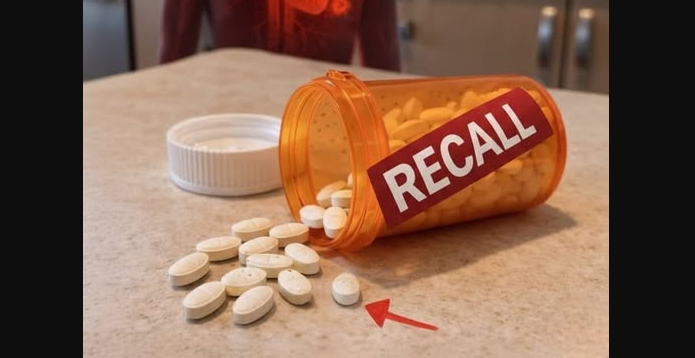
More than 600,000 bottles of the blood pressure medication ramipril have recently been recalled across the United States. The action followed an announcement from federal regulators after concerns emerged about how certain ingredients used in the medication were produced.
The recall involves products manufactured by Lupin Pharmaceuticals. According to regulators, some of the ingredients used during production came from a manufacturing facility in India that had not received proper inspection or approval. Because quality standards could not be verified, health officials decided to remove the affected batches from distribution as a precaution.
Ramipril belongs to a class of medications known as ACE inhibitors. Doctors commonly prescribe this medication to help manage high blood pressure and support heart health. It works by relaxing blood vessels, allowing blood to circulate more easily throughout the body.
For many patients, ramipril plays an important role in reducing the risk of serious cardiovascular events. These may include heart attacks, strokes, and complications related to kidney disease. Medical data shows that millions of Americans depend on this medication every year as part of their long-term treatment plans.
A Widely Used Medication
Healthcare providers frequently prescribe ramipril for individuals diagnosed with hypertension. High blood pressure can place strain on the heart and blood vessels over time, increasing the likelihood of serious health problems.
By lowering blood pressure levels, medications like ramipril help reduce stress on the cardiovascular system. This protective effect becomes particularly important for patients with additional risk factors such as diabetes, kidney disease, or previous heart conditions.
Because of its effectiveness and long history of use, ramipril has become a familiar medication in many households. Reports suggest that more than 2.4 million Americans rely on it each year as part of their medical care.
Details of the Recall
The recall includes ramipril capsules produced in three strengths: 2.5 milligrams, 5 milligrams, and 10 milligrams. The affected bottles contain either 90, 100, or 500 capsules.
Regulators also identified expiration dates extending through July 2026 as part of the recall notice. These products were distributed widely across pharmacies, hospitals, and healthcare providers throughout the United States.
Federal officials explained that the recall does not stem from confirmed injuries or illnesses linked to the medication. Instead, the decision reflects concerns about quality oversight.
When pharmaceutical ingredients originate from facilities that have not undergone proper inspection, regulators cannot fully confirm whether production processes meet required safety standards. In situations like this, agencies often act quickly to prevent potential risks to patients.
Guidance for Patients
For individuals who currently take ramipril, healthcare professionals emphasize the importance of remaining calm and informed.
Stopping blood pressure medication suddenly can cause complications. Without treatment, blood pressure levels may rise quickly, increasing the risk of heart-related problems.
Patients who believe their prescription may be part of the recall should begin by checking the label on their medication bottle. Details such as the manufacturer, capsule strength, and expiration date can help determine whether the medication is affected.
Pharmacists can also assist in reviewing the product information. Many pharmacies maintain records that allow them to quickly confirm whether a specific batch belongs to the recalled group.
If a patient discovers that their medication matches the recall description, contacting a healthcare provider is the next recommended step. Doctors can provide guidance and determine whether a replacement prescription is necessary.
Alternative Treatment Options
In cases where replacement medication is needed, healthcare providers have several options available.
Ramipril belongs to the ACE inhibitor family, which includes other commonly prescribed medications such as lisinopril and enalapril. These medications work in similar ways by helping blood vessels relax and improving blood flow.
A physician may recommend switching to one of these alternatives if a patient’s supply of ramipril falls within the recalled batches.
Pharmacies may also provide replacement medication depending on the circumstances and available stock.
Patients experiencing unusual symptoms while taking blood pressure medication should contact a healthcare professional promptly. They may also report concerns through the FDA’s MedWatch program, which collects information about potential medication issues and safety events.
The Importance of Supply Chain Oversight
The recall also highlights how complex the global pharmaceutical supply chain has become. Modern medications often rely on ingredients produced in multiple countries before reaching pharmacies.
Regulatory agencies perform inspections and quality checks to ensure that manufacturing facilities follow strict safety guidelines. These inspections help confirm that medications meet the standards required for patient use.
When a facility lacks proper approval or inspection, uncertainty arises about whether manufacturing practices meet these standards. In such cases, removing products from circulation becomes the safest option.
Proactive recalls serve as a protective measure designed to reduce risk and maintain trust in the healthcare system.
Staying Informed and Protected
Although medication recalls can cause concern, health officials stress that early detection and quick action help protect patients. Monitoring manufacturing practices and responding quickly to potential issues plays an important role in maintaining medication safety.
Patients who rely on blood pressure medications should continue following their treatment plans while staying aware of official updates. Pharmacists and healthcare providers remain the most reliable sources of information when questions arise.
With proper guidance, most individuals affected by the recall can transition smoothly to replacement medication or alternative treatments. Careful oversight and open communication between patients, pharmacists, and doctors help ensure that blood pressure management remains safe and effective.
By remaining informed and seeking professional advice when needed, patients can continue protecting their heart health while regulators work to maintain the safety of the nation’s medication supply.