A short cellphone video recorded on a snow-covered residential street has drawn national attention after documenting the final moments of an encounter between federal immigration agents and Renee Good. The 47-second clip, filmed from an officer’s perspective, shows agents moving toward a maroon SUV parked along the curb while several bystanders observe from nearby. Voices can be heard rising, instructions are given, and the atmosphere grows tense, even though the footage does not visually capture every movement or decision made during the encounter.
Despite its limited length, the video has become a key piece of public discussion. Within seconds, the situation escalates rapidly. The SUV begins to move, loud sounds are heard, and the recording ends. What remains is a brief, incomplete visual record of an interaction that concluded with a fatal shooting. Since the video’s release, many have questioned how an enforcement operation that appeared routine transformed into a deadly outcome in such a short span of time.
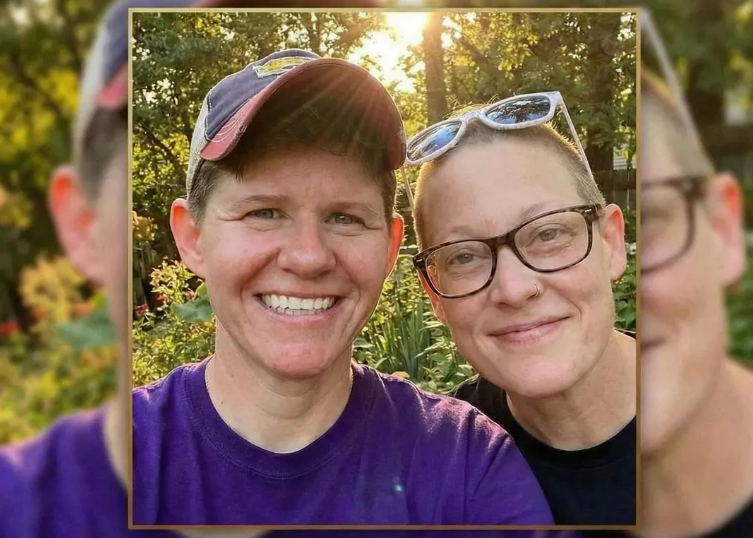
In the days following the incident, Renee Good’s family and members of the community worked to ensure that her story extended beyond a single moment captured on a phone screen. Loved ones described her as a devoted parent, a poet, and a person who maintained strong emotional ties with those around her. They spoke about her creativity, her care for others, and the ways she expressed herself through words and actions.
Neighbors gathered for vigils on the same street where the incident occurred. Candles were placed along the sidewalk as people shared memories, offered support, and expressed grief. For many attendees, the gathering served both as a memorial and a call for clarity. They emphasized that Renee’s identity could not be reduced to the circumstances of her death, highlighting instead a life shaped by compassion, expression, and connection.
Federal officials, including representatives from U.S. Immigration and Customs Enforcement, released statements describing their version of events. According to authorities, agents were conducting a targeted enforcement operation when the situation became volatile. Officials stated that the driver did not follow commands to exit the vehicle and that an officer discharged his weapon after perceiving a threat to safety.
While federal representatives defended the response as consistent with established training protocols, they also acknowledged the seriousness of the loss of life. The explanation immediately drew criticism from local leaders in Minneapolis, who questioned both the presence of federal enforcement activity in residential neighborhoods and the manner in which the situation was handled.
City officials expressed concern about how quickly the encounter escalated and called for transparency surrounding the investigation. Community advocates echoed those concerns, emphasizing the need for independent review and clear communication. For many residents, the incident reinforced broader worries about enforcement practices and their impact on local neighborhoods.
As multiple investigations move forward, the cellphone video remains central to a growing national conversation. Legal analysts, former law-enforcement officials, and civil rights advocates have reviewed the footage, offering differing interpretations of what may have happened in the moments leading up to the shooting. Some have focused on the commands issued and the timing of events, while others have examined whether alternative approaches could have reduced the risk of violence.
For Renee Good’s family and neighbors, the focus continues to center on accountability and healing. They have spoken about the emotional weight of losing a loved one under such circumstances and the lasting effects on the community. Their calls emphasize understanding what occurred, why it happened, and how similar outcomes might be prevented in the future.
What began as a quiet winter morning has evolved into a sustained public discussion about immigration enforcement, public safety, and the human consequences of split-second decisions. The brief video, though limited in scope, has become a symbol of unresolved questions and shared grief. As the process of investigation and reflection continues, the story of Renee Good remains at the heart of a conversation that reaches far beyond the snowy street where it was recorded.