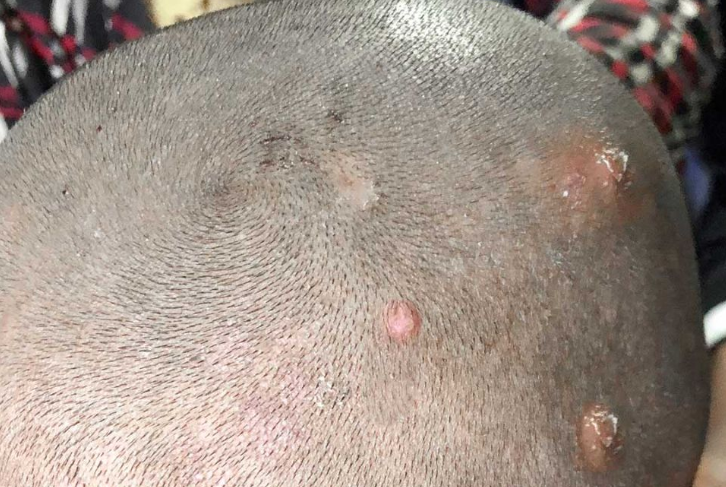
Encountering unexpected bumps on your child’s scalp can spark worry, particularly when the earliest available medical appointment is weeks out. As a caregiver, it’s understandable to feel concerned about your child’s well-being and ease, wondering about the significance of these bumps. While awaiting a professional assessment, you can take proactive steps to gain clarity and provide relief for your child.
In this guide, we’ll examine possible reasons for scalp bumps, from everyday issues like folliculitis to conditions needing urgent care. We’ll also cover home-based solutions, over-the-counter options, and hygiene habits to help manage the issue. Equipped with this knowledge, you can make well-informed choices and care for your child effectively until a healthcare visit is possible.
1. Exploring Scalp Bumps: Potential Triggers
Scalp bumps may stem from a range of sources, and pinpointing the cause is key to proper care. Frequent culprits include folliculitis, sebaceous cysts, and boils. Folliculitis involves inflamed hair follicles, often due to bacterial or fungal activity, leading to small, red, itchy bumps. Sebaceous cysts, non-cancerous and filled with sebum, appear as smooth, rounded lumps beneath the skin.
Boils, also called furuncles, are painful, pus-filled growths triggered by bacterial infections, typically Staphylococcus aureus. These can grow beyond 2 centimeters and may need medical attention. Other possibilities include allergic reactions, insect bites, or skin conditions like psoriasis or eczema. Recognizing these causes can guide you in choosing the best approach for your child.
2. Spotting Scalp Folliculitis
Scalp folliculitis presents as small, red, itchy bumps near hair follicles, caused by bacterial, fungal, or viral infections, or irritation from hair products or tight hairstyles. These bumps may contain pus and feel tender. If untreated, folliculitis can sometimes cause hair loss or scarring.
To confirm folliculitis, inspect the bumps for signs of inflammation or pus. If your child scratches their scalp often or reports itchiness, this condition might be the cause. Keeping the scalp clean and avoiding irritants can help prevent and control folliculitis.
3. Detecting Boils on the Scalp
Boils, or furuncles, are painful, pus-filled lumps that form when bacteria infect hair follicles. They begin as red, sensitive bumps that grow and fill with pus, often causing swelling nearby. Typically larger than 2 centimeters, boils can appear alone or in groups.
If your child has a boil, refrain from squeezing or popping it to avoid spreading the infection. Warm compresses can encourage the boil to drain naturally. Seek medical care if the boil persists or if your child develops a fever.
4. Knowing When to Seek Urgent Care
While many scalp bumps are harmless and manageable at home, certain symptoms demand immediate medical attention. If your child experiences intense pain, fever, or swelling extending beyond the scalp, consult a healthcare provider promptly. Rapidly growing or multiplying bumps, or symptoms like trouble breathing or swallowing, also require urgent care.
Persistent or recurring bumps that resist home remedies, or cases where your child has a compromised immune system, are additional concerns. Swift action can prevent complications and ensure proper treatment.
5. Home Solutions to Ease Scalp Bumps
Several home remedies can help soothe scalp bump discomfort. Warm compresses applied to the affected area can reduce pain and aid drainage of pus-filled bumps. Diluted tea tree oil, with its antibacterial properties, can be gently applied to reduce inflammation and ward off infection.
Aloe vera gel offers cooling relief from itching and irritation. Ensure your child avoids scratching the bumps to prevent worsening or infection. Using mild, hypoallergenic shampoos and maintaining a clean scalp can further promote comfort.
6. Over-the-Counter Options to Explore
Over-the-counter treatments can help address mild scalp issues. Shampoos with ingredients like ketoconazole or selenium sulfide can tackle folliculitis and dandruff. Topical creams containing hydrocortisone can reduce itching and inflammation.
For pain, consider age-appropriate doses of acetaminophen or ibuprofen, following package guidelines. If these treatments show no improvement after a week, reach out to a healthcare professional for further advice.
7. Hygiene’s Role in Scalp Health
Proper hygiene is vital for preventing scalp problems. Encourage your child to wash their hair regularly with a gentle, sulfate-free shampoo to clear away dirt, oil, and sweat. Avoid sharing items like combs, hats, or towels, which can spread infections.
Ensure thorough rinsing to remove all shampoo and conditioner, as residue can irritate the scalp. For children involved in sports or sweaty activities, prompt washing can help prevent folliculitis and similar issues.
8. Evaluating Viral Remedies: Are They Effective?
Social media often promotes quick fixes for scalp issues, but caution is needed. Remedies like apple cider vinegar or baking soda may disrupt the scalp’s natural balance, causing irritation.
While some viral hacks may provide short-term relief, they don’t replace proven treatments. Always verify the safety and effectiveness of home remedies before using them on your child, and consult a professional if uncertain.
9. Easing Discomfort Before the Doctor’s Visit
While awaiting the doctor’s appointment, prioritize your child’s comfort. Discourage scratching or picking at bumps to prevent infection. Keep their nails short to reduce scratching damage.
Support their immune system with hydration and a balanced diet. A cool compress can ease itching and inflammation, and appropriate doses of over-the-counter pain relievers can help manage discomfort.
10. Exploring Telehealth for Faster Care
If your child’s symptoms worsen or an in-person appointment is delayed, telehealth can be a valuable option. Many providers offer virtual visits, allowing you to discuss symptoms and receive guidance from home.
Be ready to describe the bumps’ appearance, progression, and any related symptoms during a telehealth consultation. The provider may suggest treatments or recommend an in-person visit if needed.
11. Preparing for the Doctor’s Appointment
Maximize your doctor’s visit by compiling a detailed list of your child’s symptoms, including their onset and changes over time. Document any home remedies used and their outcomes. Clear photos of the bumps can help, especially if their appearance changes.
Prepare questions about possible causes, treatments, and prevention strategies. Having this information ready will support a productive discussion and help create a tailored plan for your child’s scalp condition.