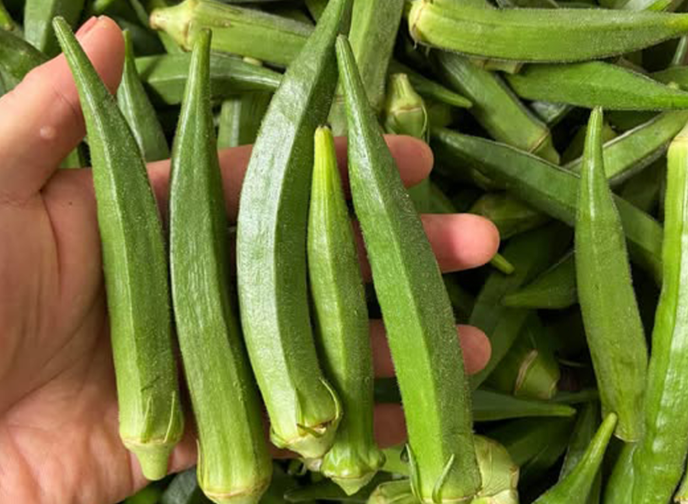
Okra—often called lady’s finger—is a modest green vegetable that has attracted growing interest among people managing diabetes. From traditional dietary practices in Asia and Africa to recent social media trends promoting okra water, many believe this vegetable can support healthier blood sugar levels. While some claims are exaggerated, okra does contain properties that make it worth discussing in a balanced, evidence-informed way.
Understanding what okra offers, how it may help, and how to use it safely can help people make informed dietary choices without unrealistic expectations.
What Makes Okra Nutritionally Notable
Okra contains a combination of nutrients and plant compounds that are relevant for metabolic health. It is naturally rich in soluble fiber, which plays an important role in digestion and blood sugar regulation. One of okra’s most distinctive features is mucilage, the gel-like substance released when it is cut or cooked. This substance slows digestion and contributes to feelings of fullness.
In addition, okra provides antioxidants such as flavonoids and polyphenols, along with minerals like magnesium and potassium and moderate amounts of vitamin C. These nutrients support overall wellness and may indirectly benefit people with blood sugar concerns.
How Okra May Support Diabetes Management
1. Blood Sugar Stability
The soluble fiber found in okra slows the breakdown and absorption of carbohydrates. This can help reduce sharp increases in blood glucose after meals. The mucilage forms a viscous gel in the digestive tract, which may delay glucose entry into the bloodstream and promote steadier energy levels.
2. Insulin Function Support
Research involving animals suggests that compounds found in okra seeds and peel may enhance insulin response and reduce insulin resistance. While large-scale human studies are limited, these findings align with the broader understanding that fiber-rich vegetables support metabolic balance.
3. Cholesterol and Heart Health
People living with diabetes often face increased cardiovascular risk. Okra’s fiber may help bind bile acids in the digestive system, contributing to lower LDL cholesterol levels. Supporting heart health remains an important part of diabetes care, and dietary fiber plays a meaningful role in that process.
4. Weight Management Benefits
Okra is low in calories and high in fiber, making it filling without adding excess energy intake. Maintaining a healthy weight supports blood sugar control and improves overall insulin sensitivity, especially for individuals with type 2 diabetes.
5. Antioxidant Protection
Oxidative stress and chronic inflammation can worsen metabolic conditions over time. Okra’s antioxidants may help protect blood vessels and tissues, supporting long-term health when included as part of a balanced diet.
Okra Water: What to Know
Okra water is prepared by soaking sliced okra pods in water overnight and drinking the infused liquid. Some people report mild benefits such as improved hydration, appetite control, and subtle blood sugar changes.
It is important to understand that clinical evidence supporting strong blood sugar–lowering effects from okra water alone remains limited. It should be viewed as a dietary addition rather than a treatment approach. Anyone trying okra water should continue monitoring glucose levels and follow medical advice without altering prescribed therapy.
Possible Risks and Considerations
Medication Interaction
Because okra may slightly lower blood sugar, combining it with glucose-lowering medications could increase the risk of low blood sugar in some individuals. Introducing okra gradually and observing glucose trends can help reduce this risk.
Digestive Sensitivity
The high fiber content may cause bloating or gas for some people, particularly when introduced suddenly. Moderation and proper cooking often improve tolerance.
Oxalate Content
Okra contains oxalates, which may contribute to kidney stone formation in susceptible individuals. Those with a history of kidney stones may benefit from consuming okra in controlled portions.
Best Ways to Prepare Okra for Blood Sugar Support
Cooking methods that preserve fiber and avoid excess fats are most beneficial:
-
Light steaming
-
Boiling
-
Stir-frying with minimal oil
-
Adding to soups or stews
Methods that reduce benefits include deep-frying, heavy breading, or cooking with sugary sauces, as these can raise blood sugar and offset positive effects.
A portion of about half to one cup of cooked okra per meal is commonly well tolerated. Pairing it with lean protein and healthy fats can further support glucose balance.
How Often Okra Can Be Included
Okra can be eaten several times per week as part of a varied diet. Some people tolerate daily intake well, provided blood sugar remains stable and digestion feels comfortable. Variety across non-starchy vegetables remains important to ensure balanced nutrition.
Overall Perspective
Okra can be a supportive food choice for people with diabetes when prepared thoughtfully and consumed in moderation. It offers fiber, antioxidants, and nutrients that complement a broader management plan. However, it is not a standalone solution. Effective diabetes care continues to rely on balanced meals, physical activity, regular monitoring, and professional guidance.
Including okra as part of a diverse, nutrient-rich diet can support wellness while respecting the importance of individualized medical care.