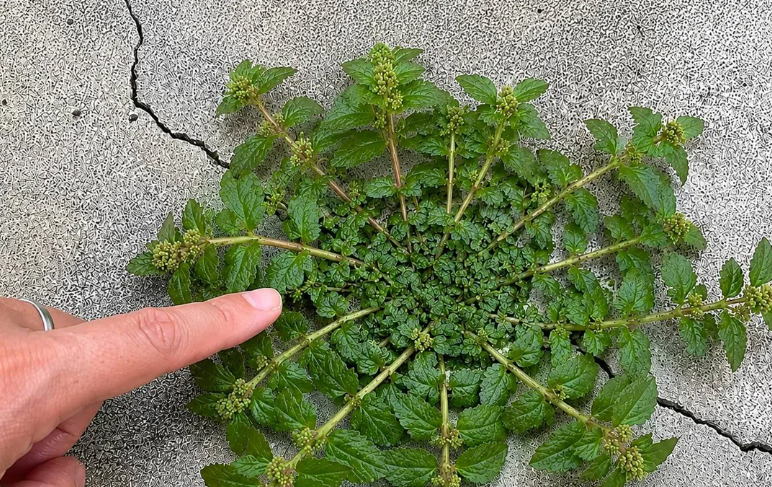
Many individuals remove this plant from garden spaces when they view it as ordinary growth.
The Santa Lucía herb holds recognition in folk medicine traditions for its potential natural properties that may support wellness of both body and mind.
This plant tends to appear naturally in yards, flowerpots, along sidewalks, and in areas with moist soil.
Recognition comes through its small green leaves, delicate tiny flowers, and the white latex released when stems or leaves receive a cut.
Although some people pay little attention to its presence, communities in many regions have incorporated it into homemade preparations and natural remedies across generations.
What Is This Plant?
Euphorbia hirta carries the common names of asthma plant or Santa Lucía herb in various locations.
This wild species features in traditional practices through infusions and other natural mixtures.
Traditional accounts attribute anti-inflammatory qualities, expectorant actions, digestive assistance, and diuretic effects to this plant.
People in different areas often seek it out in connection with respiratory comfort, digestive ease, and management of fluid balance.
Popular Benefits Attributed to This Plant
1. Relief for Eye Discomfort
Traditional accounts link this plant to easing mild irritation or discomfort in the eyes.
People associate its use with conditions such as tired eyes, occasional blurry vision, or general irritation around the eye area.
Homemade preparations require careful handling and should never receive direct application to the eyes except under professional medical supervision.
2. May Support the Digestive System
Tea prepared from this plant finds common traditional use when stomach discomfort arises.
Heavy digestion represents another situation where this infusion receives attention in folk practices.
Mild cramps sometimes lead individuals to explore this herbal option.
Feelings of abdominal bloating also prompt many people to include the tea in their daily routines.
Many individuals choose to drink the infusion after meals as a form of digestive support.
3. Expectorant and Anti-Inflammatory Properties
Natural medicine traditions often involve this plant when addressing coughs.
Colds represent another area where people turn to preparations from the Santa Lucía herb.
Bronchitis symptoms sometimes lead to its inclusion in home-based approaches.
Respiratory congestion finds mention in accounts of traditional use for this plant.
The herb also carries attributions for soothing qualities and anti-inflammatory support in folk applications.
4. An Ally for Joint Pain
Some people incorporate this plant into their routines to address discomfort connected with arthritis.
Osteoarthritis represents another condition where traditional use appears in various regions.
Muscle pain sometimes prompts exploration of this herbal option.
Joint inflammation receives attention in accounts of the plant’s popular applications.
Its traditional role commonly connects to natural preparations and herbal teas consumed over time.
5. Popular Use Among People With High Blood Sugar
In multiple regions, the Santa Lucía herb serves as a natural supplement for individuals seeking support with blood sugar management.
This plant does not serve as a replacement for medical treatments or prescribed medications.
People who consider adding it to their routines benefit from professional guidance to ensure compatibility with existing health plans.
6. May Help With Fluid Retention
The diuretic qualities attributed to this plant lead many people to consume it for reducing swelling.
Promotion of fluid elimination represents a common reason for its traditional inclusion.
Support for urinary health appears in accounts of its popular use.
Mild cases of fluid retention sometimes receive attention through this herbal approach.
The plant also receives mention as natural support for individuals who experience a tendency toward kidney stones.
7. Low in Calories and Rich in Minerals
Another factor behind the plant’s popularity involves its mineral content and its role in natural wellness approaches.
People sometimes include it as a supplement within plans focused on maintaining healthy habits.
Its presence in weight management oriented routines appears in various traditional contexts across regions.
How to Prepare Santa Lucía Herb Tea
The preparation begins with gathering the necessary ingredients.
One teaspoon of chopped leaves, stems, and flowers provides the plant material for a single serving.
Two hundred fifty milliliters of water serves as the base liquid for the infusion.
The process starts by bringing the water to a boil in a suitable container.
Once boiling occurs, the heat receives immediate shutdown.
The chopped plant material then enters the hot water.
Covering the container allows the mixture to steep for a period of five to ten minutes.
Straining follows to separate the liquid from the plant solids.
The resulting tea receives consumption while still warm for traditional enjoyment.
Many people choose to drink this infusion two to three times throughout the day as part of their routine.
Important Recommendations Before Using It
Collection of the plant requires verification of its condition beforehand.
Absence of stains or signs of pests forms an important check before any use.
Growth location matters greatly, as areas with contamination should receive avoidance.
The plant should not come from land containing toxic waste or sources of polluted water.
When fresh material proves difficult to locate, dried versions may appear in herbal stores or shops specializing in natural products.
Precautions
This plant remains natural in origin. That characteristic does not eliminate the possibility of adverse reactions in some individuals.
Consumption receives recommendation for avoidance during pregnancy.
Breastfeeding periods also call for avoidance of this herb.
Young children should not receive preparations from this plant.
Individuals managing chronic illnesses benefit from professional medical supervision before any use.
People already taking medications for diabetes, hypertension, or kidney concerns do well to consult a healthcare professional prior to inclusion.
Professional advice helps confirm safety within personal health circumstances.
Tips and Recommendations
Herbal infusions benefit from consumption in moderation as part of balanced routines.
Medical treatments should not receive replacement through home remedies of any kind.
Combination of medicinal plant use with nutritious eating patterns and active lifestyles supports overall wellness approaches.
Persistent symptoms always warrant consultation with a qualified doctor for proper evaluation.
Collection of plants from natural settings requires complete certainty regarding correct identification before any preparation.
The Santa Lucía herb often passes unnoticed in everyday surroundings.
It continues as part of natural traditions within many family practices across generations.
Correct and responsible use allows it to serve as a complementary element within a healthy lifestyle approach.
Attention to personal responses and professional input helps integrate such plants thoughtfully into daily wellness efforts.