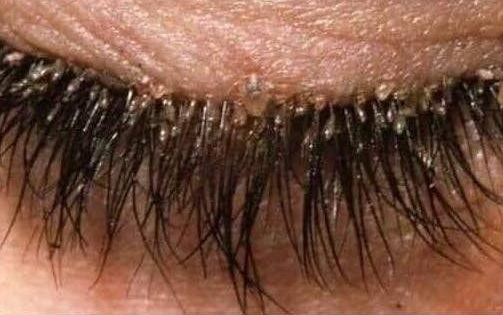
How to Recognize Eyelash Mites and Understand the Symptoms
Most people go through daily life without giving much thought to their eyelashes beyond appearance or makeup. Yet eyelashes, like many other parts of the body, are part of a delicate ecosystem. Microscopic organisms live there naturally, and in most cases, they exist without causing any disturbance. Among these organisms are eyelash mites, a reality that may sound unsettling but is far more common than many realize.
Eyelash mites, medically known as Demodex mites, are present on the skin of most adults. They usually remain unnoticed and inactive, causing no discomfort. Problems arise when their population increases beyond normal levels. When that happens, the eyes and eyelids may begin to react in noticeable ways. Understanding what these mites are and how they affect the body can help you recognize potential symptoms early and take appropriate steps to maintain eye health.
What Eyelash Mites Are and Why They Exist
Demodex mites are microscopic organisms that live in hair follicles and oil-producing glands. Two main types are associated with humans. One type tends to inhabit hair follicles, including eyelashes and eyebrows. The other prefers sebaceous glands, where oils are produced to keep skin moisturized.
Their presence is not a sign of poor health or lack of cleanliness. These mites are part of the skin’s natural environment. As people age, oil production changes, immune responses shift, and skin balance evolves. These factors can create conditions that allow mite populations to grow. When that balance tips, irritation may follow.
When Eyelash Mites Become a Concern
An increased number of eyelash mites can contribute to a condition known as blepharitis, which involves inflammation of the eyelids. This inflammation can interfere with normal eye comfort and function. The symptoms often develop gradually, making them easy to overlook at first.
Common signs associated with eyelash mite overgrowth include persistent itching around the eyelids, redness along the lash line, and a burning or gritty sensation in the eyes. Some individuals notice crusty deposits forming at the base of their eyelashes, especially upon waking. Others experience increased sensitivity to light or unexplained eye fatigue. In more advanced cases, eyelashes may appear thinner or fall out more frequently than usual.
These symptoms do not automatically indicate eyelash mites, as many eye conditions share similar signs. However, when discomfort persists despite routine care, further evaluation becomes important.
Factors That Increase Risk
Certain conditions can make eyelash mite overgrowth more likely. Aging plays a role, as natural skin defenses change over time. Compromised immune function may also contribute, allowing mites to multiply more easily. Skin conditions such as rosacea or chronic eyelid inflammation can create an environment where mites thrive.
Daily habits matter as well. Infrequent facial cleansing, sharing eye makeup, or using old cosmetic products may encourage buildup around the eyes. Contact lens wearers who do not maintain strict hygiene routines may also experience increased irritation.
How Eyelash Mites Are Diagnosed
Diagnosis typically involves an examination by an eye care professional. Using magnification, they may inspect the eyelids and eyelashes for signs of inflammation or debris. In some cases, a small number of eyelashes are examined under a microscope to confirm the presence of mites. This process is quick and helps determine the most appropriate course of care.
Managing Eyelash Mites Through Daily Care
Effective management often begins with consistent eyelid hygiene. Washing the face daily with a gentle cleanser helps remove excess oils and debris that mites feed on. The eye area should be cleaned carefully, using products designed for sensitive skin.
Warm compresses applied to closed eyelids can help loosen debris and open oil glands. Afterward, eyelids can be gently cleansed using diluted baby shampoo or commercially available eyelid cleansers recommended by healthcare professionals. This routine helps maintain a balanced environment that discourages mite overgrowth.
Avoiding expired cosmetics, removing eye makeup thoroughly, and refraining from sharing personal beauty products also support eye health. Pillowcases, towels, and makeup brushes should be cleaned regularly to reduce buildup of oils and skin cells.
When Medical Treatment Is Needed
If symptoms persist despite improved hygiene, medical treatment may be recommended. Eye care providers may prescribe medicated ointments or cleansers formulated to reduce mite populations and calm inflammation. These treatments are targeted and typically used for a defined period under professional guidance.
Maintaining Long-Term Eye Comfort
Awareness is the most effective tool for prevention. Paying attention to changes around the eyes and responding early can prevent discomfort from escalating. Eyelash mites may be common, but they do not need to interfere with daily life.
Healthy habits, regular eye exams, and informed care choices help preserve comfort and vision. By understanding how eyelash mites behave and recognizing early signs of imbalance, you can protect one of the most sensitive and expressive parts of the body with confidence and care.