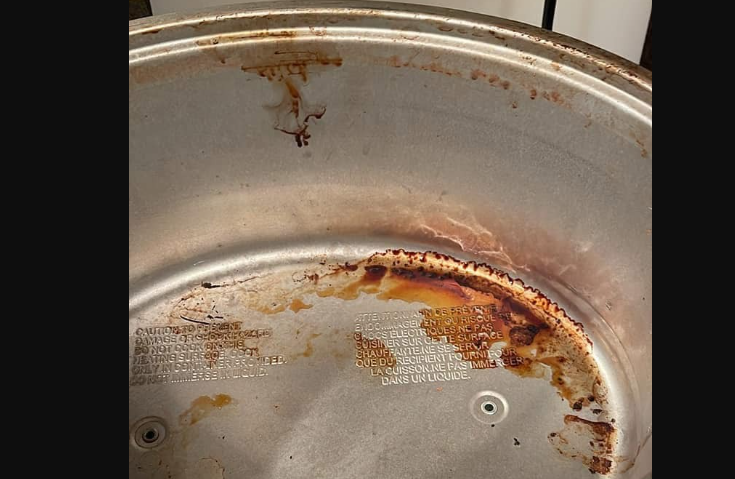
Maintaining clean bakeware can feel overwhelming, especially when stains, grease, or stubborn residue seem impossible to remove. Fortunately, simple household ingredients can restore nearly every type of pan when used correctly. Below is a clear, step-by-step guide that keeps the original structure of each method while offering fresh wording and layout.
Stainless Steel
Problem: Discoloration, stubborn stains, or dull patches.
Solution: Baking soda paste + vinegar boost
Begin by preparing a thick paste using baking soda and water.
Spread this paste across the stained areas and let it rest for about fifteen minutes.
Use a soft cloth to scrub in the same direction as the metal grain to lift the residue gently.
If some discoloration remains, take a clean cloth dampened with white vinegar and wipe the area to brighten the surface further.
⚠️ Avoid steel wool completely—it will scratch and damage the finish.
Cast Iron
Problem: Rust, sticky buildup, or weakened seasoning.
Solution: Coarse salt + oil scrub
While the skillet is still warm, pour half a cup of coarse kosher salt inside.
Add one tablespoon of vegetable oil, creating a gritty scrub mixture.
Using a sturdy brush or a thick paper towel, scrub the interior thoroughly to lift residue and revive the surface.
Rinse only if necessary, then dry immediately and apply a light coat of oil to maintain the seasoning.
❌ Never leave cast iron submerged in water—prolonged exposure leads to rust.
Aluminum Baking Sheets & Cookie Sheets
Problem: Dark stains, baked-on grease, or carbonized buildup along the rims.
Solution: The “Magic” Dishwasher Pod Soak
Line your sink or tub with a towel to prevent scratching.
Fill it with hot water and place the baking sheet inside.
Drop one or two dishwasher pods into the water.
Let the sheet soak for one to two hours, or overnight if the stains are severe.
When you return, wipe it with a sponge—the residue should lift easily without scrubbing.
💡 Why it works: Dishwasher pods contain sodium carbonate and powerful enzymes that break down grease without damaging aluminum.
⚠️ Do not use this method on non-stick cookware.
Non-Stick Baking Sheets & Pans
Problem: Sticky film, dullness, or light staining.
Solution: Gentle baking soda soak
Combine two tablespoons of baking soda with one cup of warm water.
Let the pan soak for thirty minutes.
After soaking, use a soft sponge to wipe the surface clean.
For lingering stickiness, a damp microfiber cloth with a drop of dish soap will smooth it out.
❌ Avoid anything abrasive—steel wool, oven cleaners, or dishwasher pods can ruin the coating.
Burnt-On or Carbonized Residue (Any Pan)
Solution: Boiling water + baking soda
Fill the pan with enough water to cover the burnt area.
Add a quarter cup of baking soda.
Bring the mixture to a gentle boil for ten to fifteen minutes.
Allow it to cool, then wipe away the loosened debris.
✨ For extra strength, add half a cup of vinegar after boiling. The fizzing action helps lift deeper grime.
Tips to Keep Bakeware Cleaner for Longer
• Line pans with parchment or foil to reduce direct contact
• Rinse or soak pans soon after use
• Avoid aerosol cooking sprays—they leave a stubborn residue
• Dry bakeware completely before storing
• Keep pans separated to prevent moisture buildup and scratching
When It’s Time to Replace Bakeware
Consider replacing a pan if:
• The non-stick layer is flaking or peeling
• Aluminum is heavily warped or deeply pitted
• Glass bakeware has chips or fractures
• Cast iron has cracks or unrepairable rust
Final Thoughts
You do not need harsh chemicals or costly cleaners to restore your bakeware. With everyday items like baking soda, vinegar, coarse salt, and dishwasher pods, you can revive even the most tired pans. Keeping your tools clean not only makes cooking easier but also brings better results in the kitchen.
A well-maintained pan supports every recipe you love, and giving it care today ensures it will serve you beautifully for meals ahead.
Which method are you planning to try first? Feel free to share your results below—your experience might help someone else keep their kitchen shining. 🧽✨