Recognizing Early Signs to Prevent Serious Health Complications
Kidney disease affects millions of people worldwide, and it often progresses quietly for years before symptoms become noticeable. Because the kidneys support so many vital functions—filtering waste, regulating fluids, producing hormones, and maintaining internal balance—early awareness can make a meaningful difference in preventing complications that can severely impact long-term health.
Understanding Kidney Function
The kidneys, located beneath the ribcage on each side of the spine, work around the clock to support essential bodily functions. They help filter the blood, remove waste products, balance electrolytes, regulate blood pressure, and stimulate the production of red blood cells. Healthy kidneys are capable of filtering approximately 120 to 150 quarts of blood per day, producing one to two quarts of urine that eliminate excess fluid and toxins.
Kidney disease happens when these organs become damaged and can no longer perform their responsibilities effectively. High blood pressure, diabetes, repeated infections, and hereditary factors are among the most common contributors. When these conditions progress without intervention, they can ultimately lead to kidney failure, requiring dialysis or a kidney transplant to sustain life.
10 Signs of Kidney Disease
-
Changes in Urination
Alterations in your typical urination pattern may be one of the earliest indications that the kidneys are under strain. These changes might include urinating more frequently, urinating less than usual, noticing foamy or bubbly urine due to protein leakage, or observing urine that appears darker, cloudier, or tinged with blood. -
Fatigue and Weakness
The kidneys produce a hormone called erythropoietin (EPO), which supports the creation of red blood cells. When kidney function drops, red blood cell production can decrease, leading to anemia. This often results in persistent fatigue, a sense of weakness, or light-headedness during daily activities. -
Swelling (Edema)
When the kidneys struggle to remove excess fluid, swelling may develop in different parts of the body. This can appear in the ankles, legs, hands, face, or even the abdomen. Persistent swelling may indicate that the kidneys are no longer regulating fluids effectively. -
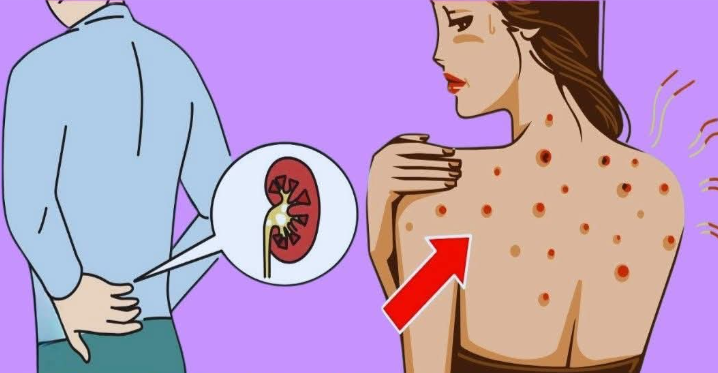
Persistent Back Pain
Discomfort or pain located beneath the ribcage or on one side of the lower back can sometimes be traced to kidney issues. Conditions such as kidney stones, untreated urinary tract infections, or disorders like polycystic kidney disease (PKD) can lead to this type of pain. -
Unexplained Weight Loss or Loss of Appetite
A buildup of toxins in the bloodstream may reduce appetite and cause nausea. Over time, this can lead to noticeable weight loss that occurs without intentional changes to diet or exercise. -
Nausea and Vomiting
Feeling nauseated—especially in the mornings or after meals—may signal that waste products are accumulating in the bloodstream. This symptom often becomes more pronounced as kidney function declines. -
Difficulty Sleeping
Kidney disease can contribute to nighttime problems such as muscle cramps, restless leg syndrome, or frequent urination, all of which can interrupt sleep and reduce overall restfulness. -
Metallic Taste in the Mouth and Bad Breath
Elevated waste levels in the blood, a condition known as uremia, can lead to a lingering metallic taste, an ammonia-like smell on the breath, or a reduced interest in eating protein-rich foods. -
Muscle Cramps and Twitching
Electrolyte imbalances—particularly reduced calcium levels and elevated phosphorus—can affect muscle function. This may lead to more frequent cramps, twitching, or involuntary muscle movements. -
Itchy Skin (Pruritus)
When waste products accumulate in the blood, they may cause widespread itching, especially in later stages of kidney disease. This can become uncomfortable and persistent if left unaddressed.
Prevention and Early Detection
Although kidney disease can be serious, taking proactive steps and recognizing early symptoms can significantly improve outcomes. Helpful preventive measures include maintaining a balanced diet, drinking adequate water, managing blood pressure and blood sugar, avoiding smoking and excessive alcohol, staying physically active, and being cautious with over-the-counter pain medications that can stress the kidneys.
Individuals with known risk factors should consider routine blood work and urine tests to monitor kidney health over time.
Final Thoughts
Awareness is a powerful tool. Understanding the early signs of kidney disease empowers you to seek medical guidance before the condition progresses. If any of these symptoms persist, scheduling an appointment with a healthcare professional can provide clarity and help protect your long-term well-being.
Have you noticed any of th