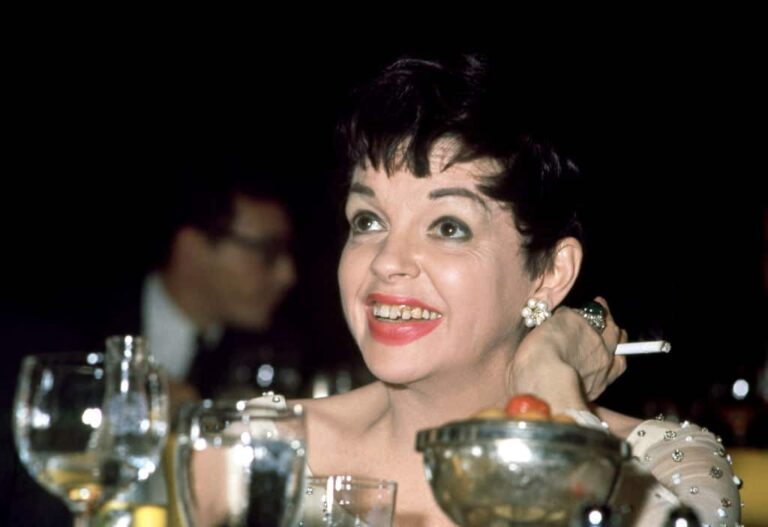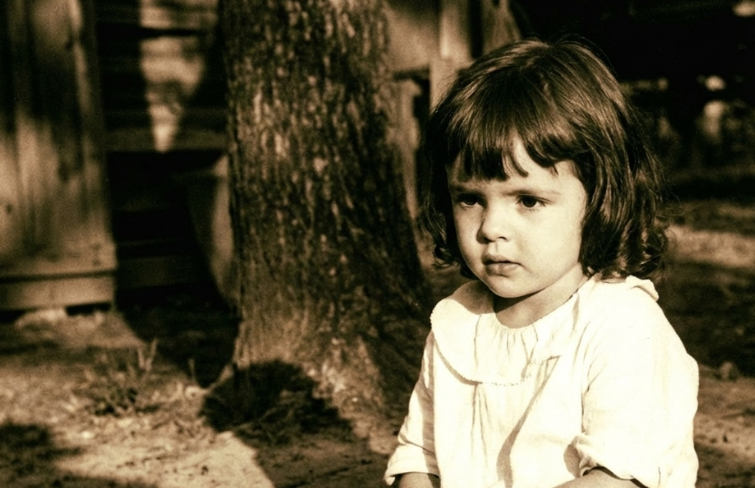
Long before audiences recognized her as a symbol of magic, emotion, and timeless artistry, Judy Garland was a young girl carrying responsibilities far beyond her age. Her childhood unfolded under a weight that few could imagine, shaped by unwavering expectations and an environment where performing felt more like survival than passion.
While the world applauded her voice and presence, the emotional demands placed on her from the very beginning created an internal landscape marked by pressure, longing, and a constant search for approval. Her early years illustrate how fame, when it arrives too early, can mold a child’s life in ways that linger long into adulthood.
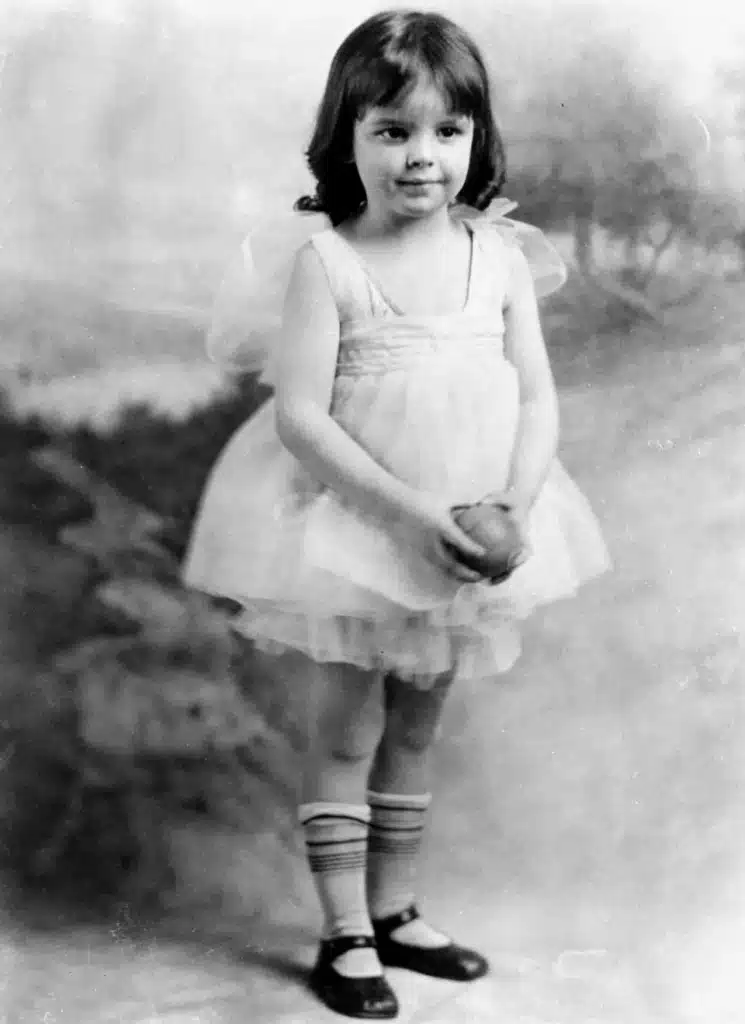
Born in Minnesota to parents deeply involved in vaudeville, Garland entered the spotlight before she truly understood its meaning. Her earliest memories were filled with rehearsals, costumes, and audiences, an atmosphere that quickly replaced any sense of ordinary childhood experiences.
Frequent relocations, family challenges, and emotional uncertainty made the stage her most consistent environment. Performing soon became less of an artistic expression and more of an expectation woven into her daily life. In later reflections, Garland spoke openly about realizing that applause often felt like the only clear sign of acceptance, a belief that shaped her identity during her formative years.
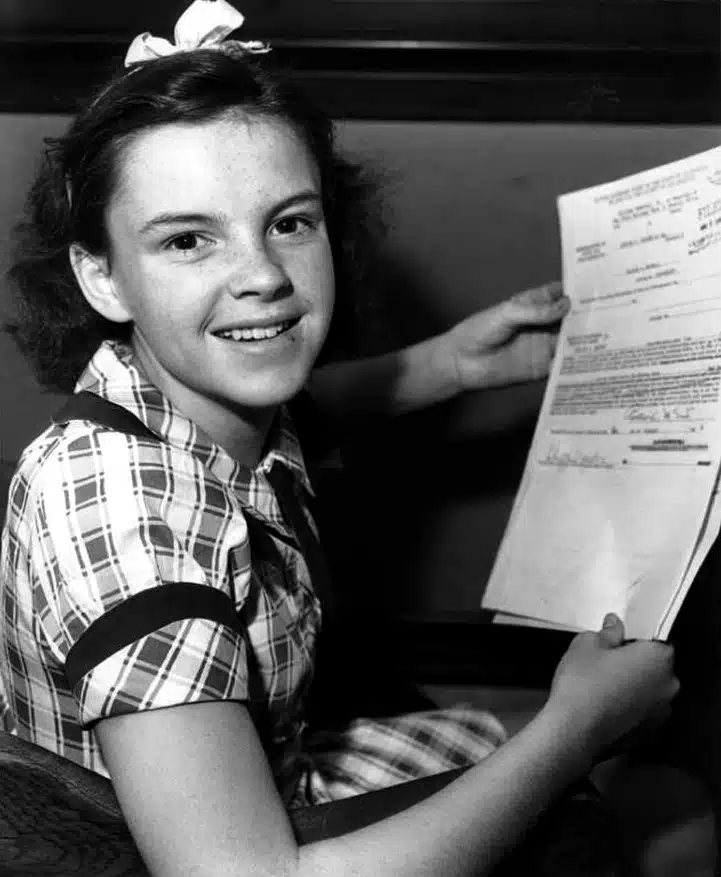
When she arrived at MGM in the 1930s, her journey accelerated rapidly. Hollywood studios at the time were known for exerting intense control over their young stars, and Garland was no exception. Executives supervised nearly every aspect of her appearance, dictated her routines, and monitored her habits with strict precision.
Although her roles captivated millions, particularly her unforgettable portrayal of Dorothy in The Wizard of Oz, the demands behind the camera carried their own emotional cost. She frequently dealt with fatigue, self-doubt, and a schedule that left little room for rest or self-exploration. The polished image presented to the world reflected only a portion of her reality, while the weight of expectations shaped the private moments the public never saw.
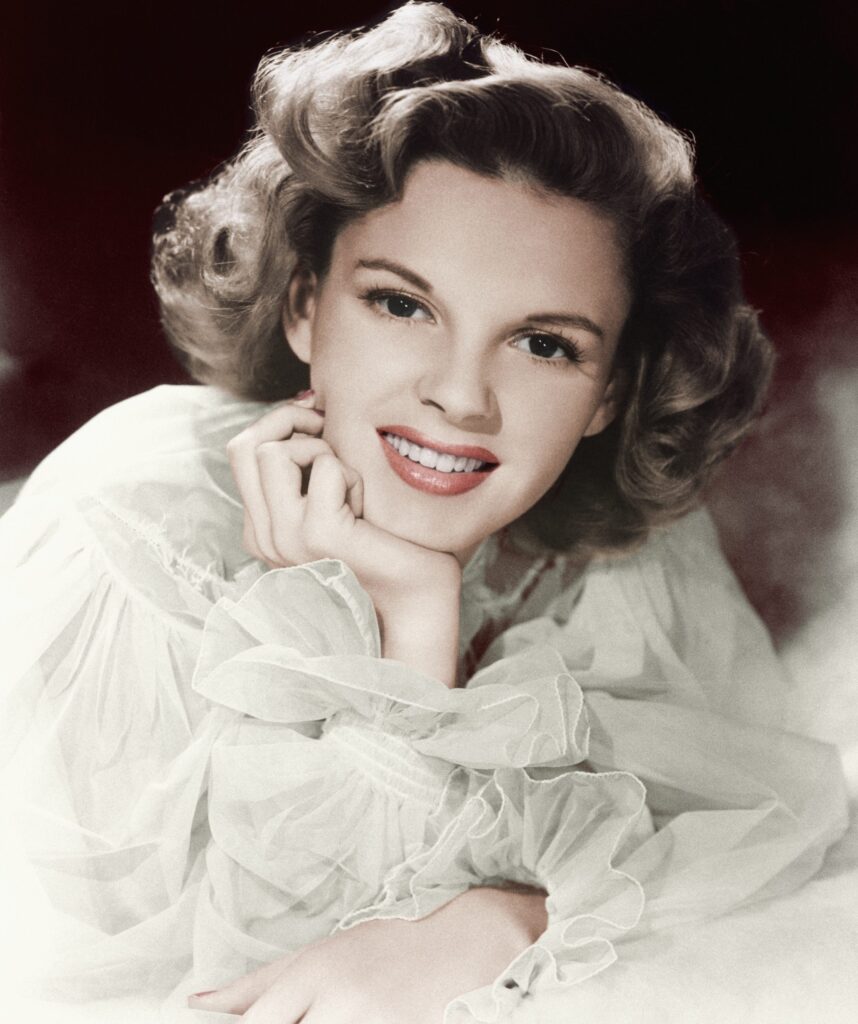
Even with these challenges, Garland’s talent illuminated the entertainment world in a way few performers ever achieve. Her voice, expressive and unmistakably heartfelt, became a defining force in American cinema and music. Her later interviews, including her candid discussions with Barbara Walters, revealed the depth of her self-awareness.
She spoke with honesty about the pressures she endured and the strength it took to navigate a life built around constant performance. These reflections provided rare insight into the complicated relationship she had with fame—both the opportunities it provided and the emotional burdens it carried.
Today, Judy Garland’s legacy extends far beyond the roles she played or the songs she performed. Her life story encourages a deeper awareness of how early success can shape a person’s emotional world. It also invites empathy for performers whose public image often hides private struggles.
Garland remains a reminder that behind legendary talent, there is a human being with vulnerabilities, hopes, and memories shaped by experiences the audience may never fully grasp. Her journey stands as a testament to resilience, artistry, and the importance of recognizing the people behind the spotlight.