
Surprisingly, the seemingly harmless tilapia fish, a popular and affordable choice on dinner plates worldwide, harbors a hidden secret that may give seafood lovers reason to think twice. Beneath its mild flavor and budget-friendly price lies a concerning truth: tilapia is often alarmingly high in dioxin, a toxic chemical that has quietly infiltrated the food chain. This revelation raises important questions about the safety of one of the most widely consumed fish in the world.
What Is Tilapia?
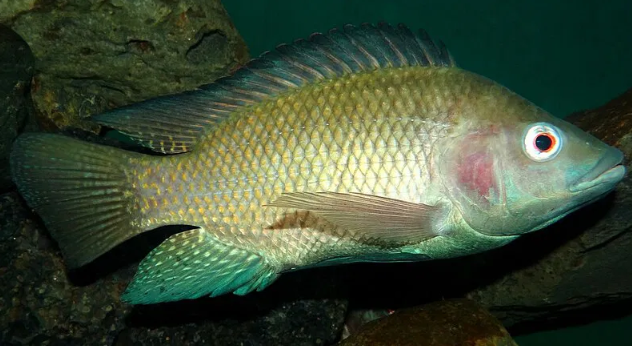
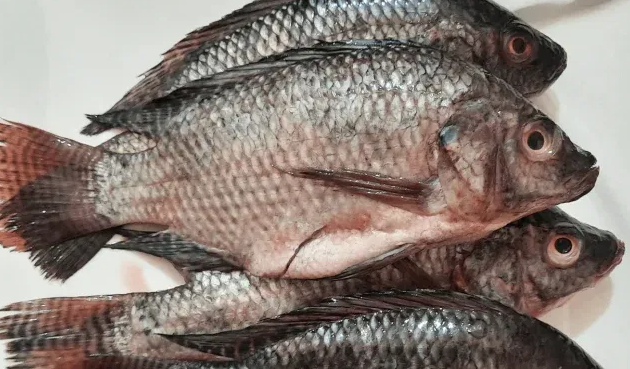
Tilapia, often referred to as the “aquatic chicken” of the seafood industry, has become a staple in global cuisine. Its popularity stems not only from its versatility in cooking but also from its affordability and widespread availability. As a result, tilapia has become a go-to option for households and restaurants alike. However, its economic appeal may come at a hidden cost to health.
What Is Dioxin?
Dioxin, a term that may sound unfamiliar to many, is a group of highly toxic chemical compounds with a shared structural characteristic. While its chemical structure might appear unassuming, dioxin is anything but harmless. This dangerous substance enters the environment through industrial processes, waste incineration, and other human activities, eventually making its way into the food chain, including fish like tilapia.
Health Risks Associated with Dioxin
The presence of dioxin in tilapia poses significant health risks that cannot be ignored. Backed by extensive scientific research, these risks span multiple areas of human health, making it crucial to understand the potential dangers:
- Increased Cancer Risk: Dioxin exposure has been linked to a higher risk of developing various types of cancer, including lung, breast, liver, and prostate cancer. By disrupting normal cellular processes, dioxin can lead to uncontrolled cell growth, a hallmark of cancer development.
- Immune System Suppression: Dioxin weakens the immune system, leaving individuals more susceptible to infections and illnesses. This compromised immunity can have far-reaching consequences for overall health and well-being.
- Hormonal Disruption: Dioxin interferes with the body’s hormonal balance, potentially causing reproductive and developmental issues. This disruption can affect fertility, pregnancy, and the healthy growth of children.
- Liver Damage: As a vital organ responsible for detoxification and metabolism, the liver is particularly vulnerable to dioxin’s harmful effects. Prolonged exposure can lead to liver damage, impacting the body’s ability to process toxins and maintain health.
- Psychological Disorders: Long-term exposure to dioxin has been associated with psychological disorders, highlighting the insidious nature of this toxin. Its impact on mental health underscores the need for greater awareness and preventive measures.
The Critical Need for Awareness
Given the potential health risks associated with dioxin in tilapia, it is essential for consumers to take proactive steps to make informed decisions about their seafood choices. Here are some practical measures to consider:
- Read Labels Carefully: Pay close attention to product labels, especially when purchasing packaged tilapia. Look for information about the fish’s origin and any certifications related to safety and sustainability.
- Research Sources: Investigate the sources of your seafood. Are they known for adhering to high-quality and safety standards in aquaculture or fishing practices? Reputable suppliers are more likely to prioritize consumer health.
- Consult Seafood Guides: Use trusted seafood guides and apps to identify sustainable and safe seafood options. These resources can help you make choices that align with both health and environmental concerns.
- Support Sustainable Practices: Opt for seafood from sources that prioritize sustainable fishing and farming practices. Sustainable seafood is not only better for the environment but also tends to be safer for consumption.
- Diversify Your Choices: Consider expanding your seafood options beyond tilapia. Incorporating a variety of fish into your diet can reduce the risk of overexposure to any single contaminant while providing a broader range of nutrients.
Conclusion
While tilapia remains a popular and affordable seafood choice, the presence of dioxin in some varieties raises important health concerns. By staying informed and making thoughtful decisions, consumers can protect themselves and their families from potential risks. Awareness, research, and a commitment to sustainable practices are key to enjoying seafood safely and responsibly.