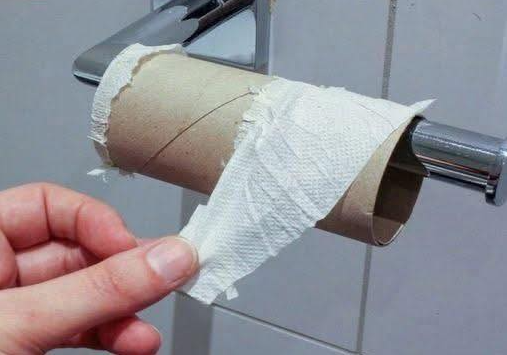
Toilet paper has been a staple in households for generations, yet conversations about environmental responsibility have encouraged many people to look at it from a new perspective. As awareness about sustainable living grows, more individuals are beginning to question whether everyday products support long-term ecological goals.
Habits that once felt automatic are now part of a broader discussion about reducing waste, protecting forests, and choosing items that leave a lighter footprint on the planet. This shift has encouraged a more thoughtful approach to personal hygiene and daily consumption.
The widespread adoption of toilet paper began in the 1800s and quickly spread around the world. Although incredibly convenient, its production depends on large quantities of wood, water, and energy. These demands contribute to deforestation, high water usage, and increased emissions throughout the manufacturing process. Transportation, packaging, and storage add additional layers to its environmental impact. As more people become aware of these factors, interest has grown in exploring new methods that reduce dependence on disposable paper products while maintaining comfort and cleanliness.
Along with concerns about sustainability, curiosity has increased regarding the materials used in household goods. Many countries enforce safety regulations, yet modern shoppers have become more proactive about examining labels, researching production practices, and choosing items that feel more natural. This increased attention has encouraged many people to look at hygiene routines through a different cultural lens. In numerous regions of the world, washing with water rather than relying solely on paper has been the standard for generations, viewed by many as gentle, refreshing, and environmentally thoughtful.
As environmental awareness expands, water-based bathroom solutions are gaining popularity in Western homes. Bidet attachments, handheld sprayers, and modern integrated toilet systems are now designed to be affordable, simple to install, and easy to maintain.
Families interested in reducing household waste have also shown growing interest in reusable fabric options, which can lower long-term costs and decrease the amount of paper entering landfills. While adjusting daily routines can take time, these alternatives reflect a broader desire to live in ways that align with ecological values.
The future of bathroom habits appears to be moving toward a blend of comfort, convenience, and sustainability. By adopting water-based cleaning or reusable hygiene products, households can reduce their environmental impact while maintaining or even improving their sense of cleanliness. Even small changes—when adopted by many—can play a meaningful role in protecting natural resources and creating healthier habits for future generations. What once seemed like an unchangeable part of daily life is becoming an area where mindful choices can make a lasting difference.