Corn Smut: From Garden Surprise to Celebrated Cuisine
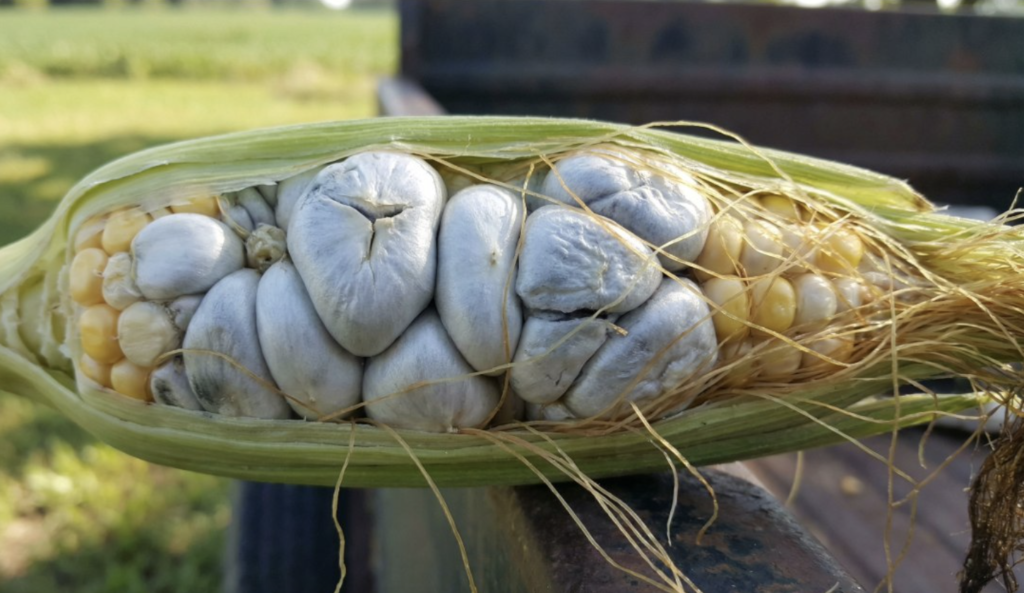
If you grow corn at home or purchase it fresh from a local stand, you may have encountered an unexpected sight: swollen, irregular growths forming where neat rows of kernels should be. Many people pause at this moment, wondering whether the corn is ruined or unsafe. Questions often follow, accompanied by photos shared online and expressions of concern. The reassuring truth is that this corn is not spoiled. What you are seeing is a natural phenomenon with a long history and an unexpected place in global cuisine.
Those unusual growths are known as corn smut. While the appearance can be startling, corn smut is neither toxic nor the result of chemical exposure. In fact, it has been appreciated for centuries in certain cultures and is considered a culinary treasure rather than a flaw.
Understanding What Corn Smut Is
Corn smut is the common name for a fungus called Ustilago maydis. This organism infects corn plants and alters the way kernels develop. Instead of forming smooth, golden kernels, the affected areas swell into soft, bulbous masses. In the early stages, these growths appear pale gray or silvery white. As they mature, they darken, eventually turning charcoal-colored as spores develop inside.
The fungus does not limit itself to kernels alone. It can also appear on the tassels or along the stalk, creating blister-like formations. The most recognizable feature remains the dramatic transformation from uniform kernels into irregular, cloud-like shapes that stand out clearly against the rest of the ear.
Unlike many molds that thrive only under narrow conditions, corn smut can develop in a variety of environments. Its adaptability has made it a subject of interest for scientists and agricultural specialists, as well as a familiar sight for experienced gardeners.
How Corn Smut Forms in the Field
Corn smut develops when microscopic spores land on a corn plant. Warm temperatures combined with moisture create favorable conditions for these spores to germinate. Small injuries to the plant, such as those caused by insects, wind, or hail, often allow the fungus to enter more easily.
Once inside, the fungus grows alongside the developing kernels, redirecting their growth into the swollen structures associated with corn smut. This process occurs naturally and does not indicate neglect, contamination, or poor farming methods. Even carefully managed crops can produce corn smut from time to time.
Its presence is part of the broader ecosystem in which corn grows, rather than a warning sign of unsafe food production.
Is Corn Smut Safe to Eat?
Corn smut is safe to eat when harvested at the proper stage. The ideal time is when the growths are still firm, moist, and light in color. At this point, they have a pleasant texture and mild aroma. Corn smut that has dried out, become powdery, or developed a strong odor should be discarded.
Food safety experts generally agree that properly cooked corn smut poses no health concerns. Choosing whether to eat it is largely a matter of preference. Those curious about new flavors often clean it thoroughly and incorporate it into cooking, while others prefer to remove it and continue using the unaffected corn.
Huitlacoche: A Respected Ingredient in Mexican Cooking
In Mexico, corn smut is known as huitlacoche, a word rooted in the Nahuatl language. Despite its literal translation sounding unappealing, huitlacoche holds an honored place in traditional cuisine.
Its flavor is often described as earthy, slightly sweet, and reminiscent of mushrooms with a subtle smokiness. Cooks use it in a wide range of dishes, including tacos, soups, quesadillas, tamales, and sauces. It pairs well with onions, garlic, cheese, and herbs, offering depth and richness to many recipes.
While large-scale agricultural operations in the United States often treat corn smut as a crop defect, traditional cooks recognize it as a valuable ingredient. This contrast highlights how cultural perspectives shape our understanding of food.
Finding Corn Smut at Local Markets
Corn smut occasionally appears at farmers markets, where small-scale growers are more likely to celebrate variety and seasonal surprises. Shoppers unfamiliar with it may feel hesitant, but its presence does not signal poor quality or unsafe handling.
Some customers actively seek huitlacoche for home cooking, appreciating its unique taste and culinary versatility. Farmers markets often serve as places where less common foods are introduced and explained, allowing consumers to explore ingredients beyond standard grocery offerings.
What to Do When You Encounter Corn Smut
If you discover corn smut on freshly harvested corn, there is no need for alarm. Evaluate its condition carefully.
It is suitable for consumption if it is firm, moist, and neutral in smell. It should be discarded if it appears dry, crumbly, or emits an unpleasant odor. If you purchased the corn directly from a grower, you may ask whether it was intentionally harvested for culinary use.
Many recipes are available that demonstrate how to prepare corn smut safely and creatively. For those who prefer not to experiment, removing and discarding it remains a valid choice.
From Curiosity to Culinary Possibility
Once you understand what corn smut is and how it develops, it often becomes less unsettling and more intriguing. It represents a natural process rather than a problem, and when handled properly, it offers both safety and culinary interest.
What initially looks like an oddity in the field can become an opportunity to experience a food tradition valued elsewhere in the world. Corn smut serves as a reminder that nature often blurs the line between imperfection and abundance, inviting us to look closer before we decide what belongs on our plates.