Some people expect Christmas to bring peace, harmony, and warmth to the home. Yet there are years when the season arrives with tension instead—arguments, anxiety, unexplained sadness, or a heavy atmosphere that feels out of place during a time meant for light and celebration. Many do not understand why this happens, especially when they believe they have prepared their home thoughtfully.
According to certain spiritual teachings, Christmas decorations are more than ornaments. They are considered expressions of what a household places at its center. These teachings, often linked to reflections inspired by Saint Óscar Romero, explain that some decorative elements appear harmless yet introduce symbols unrelated to the meaning of Christmas as a celebration of Christ. Because of this, some objects are said to create spiritual confusion within the home.
Below are three categories of decorations that these traditions recommend removing, followed by a simple way to renew the spiritual atmosphere of the household so Christmas can reflect its deeper purpose: hope, unity, and faith.
-
Goblins, Gnomes, and “Magical Elves”
In many houses, small figurines of elves, gnomes, or goblins appear during the holidays. These figures often include pointed hats, playful smiles, long beards, or the popular “mischievous elf” that moves around the house as part of a family game.
The concern presented in these teachings is clear: Christian Christmas centers on Christ, the Holy Family, angels, and the shepherds. Folkloric creatures or forest spirits belong to different symbolic traditions. The issue is not the materials used in the figurine, but the meaning attached to it.
When these characters are given names, spoken to, or treated as if they possess their own influence, they can introduce a playful form of superstition. The symbolism becomes rooted in “magic” and mischief rather than reverence, faith, or adoration. If something unrelated to Christ begins taking a prominent or honored place among Christmas decorations, it can shift attention away from what the season represents.
Recommended action: remove these figurines with confidence and replace them with symbols connected to the nativity—the star, angels, a manger scene, or Scripture reminders.
-
Amulets for “luck” or “prosperity” during Christmas
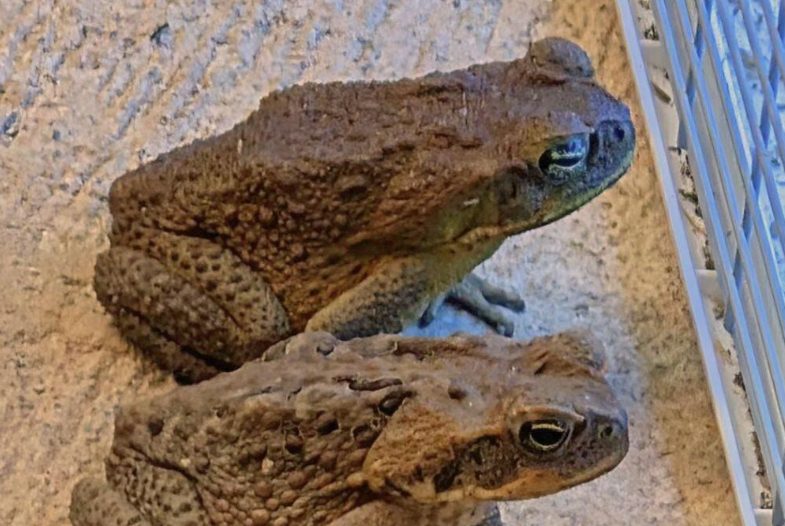
Many homes incorporate objects believed to attract good luck for the coming year. These may include horseshoes, coins tied with red ribbons, elephants with raised trunks, evil-eye charms, shamrocks, or small frogs representing abundance.
The concern here is spiritual consistency. Christmas celebrates trust in God’s providence. Mixing amulets with Christmas decorations creates a message that shifts between faith and superstition. It suggests reliance on external objects for protection or fortune rather than spiritual confidence. This divided symbolism can lead to restlessness and a constant feeling of needing to control outcomes instead of embracing gratitude.
Recommended action: remove these items carefully and allow the home to express one clear message of spiritual reliance.
-
Photos of deceased loved ones placed on the tree, mourning candles, or empty chairs at dinner
This is often the most emotional category, because it stems from love and longing. Families sometimes place photos of those who have passed on the tree, surround them with dark candles, or leave an empty chair at the holiday table.
The message from these teachings does not diminish remembrance. Instead, it separates mourning from celebration. Christmas is the commemoration of the birth of Life. When symbols of loss take center stage, healthy joy becomes blocked. Gathering for dinner may begin to feel like a ritual dedicated more to grief than to the living. Children and adults alike can become caught in sadness rather than hope.
Recommended action: keep photos in a meaningful place, pray for loved ones, and allow Christmas decorations to reflect light, unity, and renewal.
Renewing the Home: A Simple Way to Consecrate the Space
Removing confusing symbols is only part of the process. These teachings encourage families to consecrate the remaining decorations so the home reflects peace and spiritual order rather than noise or superstition.
A simple ritual can be done on Christmas Eve or any time during the season:
You will need a white candle, holy water if available, and the figure of the Baby Jesus from your nativity set.
Begin by turning off the lights and pausing in silence. Light the candle and say:
“Lord Jesus, be the light of this home.”
Sprinkle the tree lightly with holy water and say:
“May this house belong to you. May peace, faith, and unity remain here.”
Carry the Baby Jesus through each room while saying:
“Jesus, stay with us.”
Place Him in the nativity with reverence and end with a simple prayer for the family—health, work, forgiveness, protection, and harmony.
Tips and Recommendations
Do this together as a family. Shared spiritual reflection strengthens bonds.
Be mindful of hidden superstition. If something depends on “energy,” “luck,” or symbolic charms, consider whether it affects your peace.
Honor departed loved ones through prayer, not through emotional displays that turn celebration into mourning.
Choose fewer decorations with deeper meaning. A home filled with purpose creates calm.
When decorations express a single message—Christ at the center—Christmas recovers its essence: peace, unity, and hope. Removing what distracts and uplifting what inspires can transform your home into a place where light is not only seen but also felt.