1. Why These Symptoms Deserve Immediate Attention
Skin changes are often easy to overlook. Many people see red patches, bumps, or irritation and assume the issue will resolve without any medical care. In everyday situations, that assumption may seem reasonable.
However, when skin reactions appear together with breathing difficulties, the situation changes significantly. This combination can signal a serious condition that requires urgent action.
In certain cases, these symptoms may point to anaphylaxis, a severe allergic reaction that can progress rapidly and affect multiple systems in the body. Recognizing the warning signs early can make a critical difference.
2. Understanding the Skin Reactions
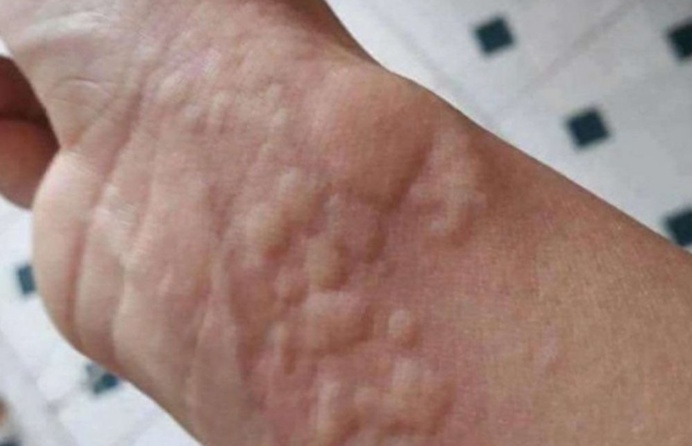
The raised red patches commonly seen in these situations are often referred to as hives, also known as urticaria. These skin changes have several recognizable features:
- Swollen, uneven red or pink areas on the skin
- A sensation of itching, burning, or irritation
- Sudden appearance, sometimes spreading across the body quickly
On their own, hives can occur in mild allergic responses or temporary skin sensitivities. Many cases resolve without complications.
When hives appear alongside breathing issues, they may indicate that the body is reacting on a much deeper level. This suggests involvement beyond the skin, affecting internal systems as well.
3. When It Becomes an Emergency Situation
The most important warning sign in this context is difficulty breathing. This symptom signals that the reaction may be affecting the airways or lungs.
Key symptoms to watch for include:
- Shortness of breath or wheezing
- A feeling of tightness in the chest or throat
- Swelling of the lips, tongue, or face
- Rapid or irregular heartbeat
- Lightheadedness, dizziness, or fainting
When these symptoms occur together with hives, the situation should be treated as a medical emergency. Immediate action is essential to prevent further complications.
4. Common Triggers Behind Severe Reactions
Anaphylaxis can be triggered by a wide range of substances. In many cases, the body reacts strongly to something it perceives as harmful.
Some of the most common triggers include:
- Certain foods such as peanuts, shellfish, milk, or eggs
- Medications, including antibiotics or pain relievers
- Insect stings from bees or wasps
- Latex products or environmental allergens
Some individuals are already aware of their allergies and carry emergency medication. Others may experience a severe reaction for the first time without prior warning, which can make the situation even more alarming.
5. Why Fast Action Is Essential
One of the most serious risks in these situations is delay. It can be easy to underestimate the severity of symptoms, especially when they begin with something that looks minor.
People may think:
- “It looks like a simple rash”
- “It will improve on its own”
Once breathing becomes affected, the reaction can escalate quickly. The airways may narrow, blood pressure can drop, and the body can go into shock.
Without prompt treatment, severe allergic reactions can lead to life-threatening outcomes. Acting quickly improves the chances of a safe recovery.
6. What To Do Immediately
If someone shows signs of hives combined with breathing difficulty, taking the right steps without delay is crucial.
Recommended actions include:
- Call emergency services right away
- Use an epinephrine auto-injector (such as an EpiPen) if available
- Help the person remain lying down or in a comfortable position
- Monitor breathing and responsiveness while waiting for help
Every minute matters in these situations. Quick intervention can stabilize the condition and prevent further complications.
7. Could These Symptoms Have Other Causes?
Not every skin reaction signals a serious condition. There are many situations where red patches or irritation occur without danger.
Examples include:
- Mild allergic responses
- Skin irritation from external factors
- Infections affecting the skin
- Chronic hives with no severe underlying cause
The key difference lies in breathing. When respiratory symptoms are present, the situation requires immediate attention, regardless of how mild the skin symptoms may appear.
8. Final Takeaway
Skin reactions combined with breathing difficulty should never be dismissed.
What may seem like a minor issue on the surface can represent a deeper and more serious reaction within the body. Recognizing the signs early and responding quickly can protect health and, in some cases, save a life.
Awareness, preparation, and timely action remain the most important tools in managing severe allergic reactions effectively.