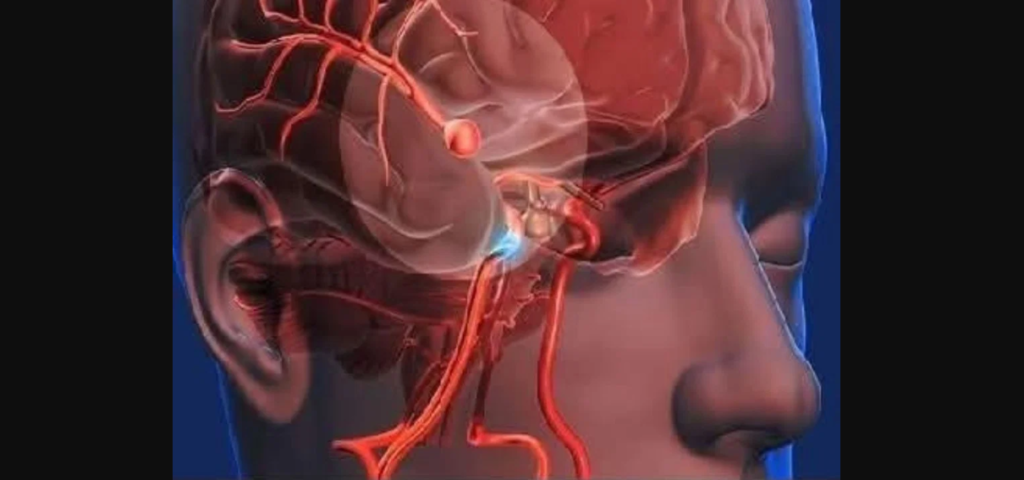
Aneurysms involve a bulging or ballooning in the wall of a blood vessel.
Many people hold misconceptions about these conditions because some remain without noticeable effects until a problem develops.
The following sections address frequent misunderstandings and present the underlying processes that occur in the body.
Myth 1: Age and Aneurysms
A common belief holds that aneurysms develop only in older adults.
The reality is that aneurysms can appear at any stage of life.
The underlying processes show that advancing age raises the likelihood because vessel walls gradually lose flexibility and experience cumulative effects from daily wear.
At the same time, earlier development can occur when genetic factors play a role or when conditions affecting connective tissue are present.
Certain lifestyle elements can also contribute to changes in vessel walls across different age groups.
Myth 2: Symptoms and Danger Level
Another frequent idea suggests that the absence of symptoms means there is no cause for concern.
The reality is that many aneurysms produce no noticeable effects until a rupture occurs.
The underlying processes involve a weakened section of the arterial wall.
Small or stable aneurysms may not create pressure on surrounding tissues, so they remain without symptoms.
Over time, the force of blood flow can place ongoing stress on the weakened area.
If the wall gives way, internal bleeding can result, which represents a situation requiring prompt medical attention.
Myth 3: Headaches and Brain Aneurysms
Some people assume that any headache follows the same pattern and requires the same response.
The reality is that a sudden and intense headache can indicate a ruptured aneurysm in the brain.
The underlying processes involve blood entering the space around the brain and affecting the protective layers known as the meninges.
This can produce significant discomfort along with other effects such as nausea or changes in awareness.
Medical professionals consider this type of headache different from more common forms and recommend immediate evaluation when it appears.
Myth 4: Appearance of Health and Aneurysm Presence
A widespread view holds that only individuals with visible health concerns need to consider the possibility of an aneurysm.
The reality is that an aneurysm can exist even when a person appears to be in good health overall.
The underlying processes can begin with small changes inside the vessel wall, including effects from inflammation or shifts in how blood moves through the artery.
Even when external signs of illness are absent, elements such as family background or long-term pressure on vessels can play a part in the development of these changes.
Myth 5: Rupture Risk for All Aneurysms
Some believe that every aneurysm will eventually lead to a rupture.
The reality is that rupture does not occur in every case, although the level of risk differs depending on several factors.
The underlying processes depend on characteristics such as the size of the aneurysm, its specific location, and the condition of the vessel wall.
Medical teams often use imaging to monitor certain aneurysms over time.
In some situations, they may discuss options that aim to reduce the chance of future problems based on a careful review of individual circumstances.
The Science of How Aneurysms Form
An aneurysm develops when a portion of a blood vessel wall loses strength and begins to extend outward under the pressure of blood flow.
This change involves several elements working together over time.
The wall can experience a reduction in key structural components that normally provide support and flexibility.
Inflammation can affect the vessel in a way that contributes to ongoing changes.
Patterns of blood movement can place repeated stress on particular sections of the artery.
When these factors combine, the wall may become increasingly thin.
In some cases, this thinning reaches a point where the wall no longer maintains its integrity, which can lead to bleeding that requires medical response.
Recognizing Important Signs
Awareness of how aneurysms develop and behave supports informed decisions about personal health.
Knowledge of potential indicators helps individuals notice when evaluation by a medical professional may be appropriate.
Early attention to changes can open the door to discussions about monitoring or other steps that fit individual situations.
Unruptured aneurysms sometimes produce effects when they place pressure on nearby structures.
These effects can include discomfort in specific areas around the eye or changes in vision.
Other possible effects involve differences in eyelid position or sensations on one side of the face.
These signs do not appear in every case.
They represent situations where professional assessment can provide clarity.
When a rupture occurs, the body can send more immediate and intense signals.
A sudden and severe headache often stands out as a primary indicator.
Additional effects can include nausea along with stiffness in the neck area.
Sensitivity to light or shifts in awareness may also appear.
In some situations, seizures or loss of consciousness can occur.
These developments represent circumstances that call for immediate contact with emergency services.
Taking Steps Toward Better Awareness
Understanding the facts about aneurysms encourages a proactive approach to health.
People can benefit from learning about factors that influence vessel health over time.
Regular conversations with healthcare providers support personalized assessment of individual circumstances.
This approach helps place any concerns in the proper context and supports decisions that align with overall well-being.
The body maintains complex systems that work to protect vital structures.
When changes occur in blood vessels, awareness of possible signs allows for timely steps.
Medical professionals remain the best resource for interpreting symptoms and recommending next actions based on current evidence.
Learning about these topics helps individuals participate more fully in conversations about their health.
It also supports recognition that many factors influence vessel condition across different life stages.
Continued attention to lifestyle elements that support overall cardiovascular health forms one part of a broader picture.
The goal remains supporting informed choices that fit each person’s unique situation.
Building Knowledge for Future Decisions
Information about aneurysms continues to evolve as research advances.
Staying connected with reliable sources helps maintain current understanding.
Healthcare teams can provide guidance tailored to personal and family history.
This ongoing process supports confidence in recognizing when professional input may be valuable.
The presence of an aneurysm does not define a person’s entire health picture.
Many individuals live with monitored conditions and continue with fulfilling daily activities.
The emphasis remains on working with medical professionals to understand specific risks and options.
This partnership approach helps place the topic in perspective and supports balanced decision-making.
In summary, common ideas about aneurysms sometimes differ from the processes that actually occur in the body.
Age represents one factor among several that can influence development.
The absence of symptoms does not always indicate the absence of a structural change.
Certain headaches warrant prompt evaluation because of what they may signal.
Outward appearance of health does not rule out internal vessel changes.
Not every aneurysm follows the same path regarding future developments.
Understanding these points helps individuals approach the topic with greater clarity.
It also encourages appreciation for the role of professional medical guidance in addressing personal health questions.
The science behind vessel wall changes highlights the importance of ongoing attention to overall cardiovascular wellness.
Factors such as blood pressure management and avoidance of certain habits can support vessel integrity over time.
These elements form part of a larger approach to health that includes regular check-ins with healthcare providers.
When questions arise about symptoms or family history, reaching out to a medical professional provides the most appropriate path forward.
This step supports accurate information and individualized recommendations.
The body’s vascular system performs essential work every day.
Awareness of how it functions and what can affect it empowers people to make choices that align with long-term well-being.
Whether through lifestyle considerations or timely medical discussions, knowledge serves as a valuable tool.
It helps transform uncertainty into clearer understanding and supports actions that fit each person’s life.
In this way, learning about aneurysms contributes to a broader commitment to health awareness.
It reminds individuals that many conditions develop quietly and that paying attention to the body’s signals can make a meaningful difference.
Professional care remains central to interpreting those signals and guiding next steps.
Through this combination of personal awareness and expert support, people can navigate health topics with greater confidence and care.
The information presented here aims to support that process by offering clear explanations of common points of confusion.
It encourages readers to view health as an ongoing journey where knowledge and professional partnership work together.
This perspective supports positive outcomes and a sense of agency in personal well-being decisions.
As research continues, new insights will likely emerge about prevention and management approaches.
Staying open to updated information from trusted sources helps maintain an informed position.
Healthcare providers can translate general knowledge into advice suited to individual circumstances.
This collaborative model supports the best possible alignment between scientific understanding and personal health goals.
Ultimately, the goal of sharing these details is to foster greater understanding without creating unnecessary alarm.
It emphasizes that many people live full lives while managing various health considerations.
The key lies in combining self-awareness with access to professional evaluation when appropriate.
This balanced approach helps individuals feel equipped to handle health topics thoughtfully and effectively.
The story of how aneurysms form and behave illustrates the complexity of the human body.
It also demonstrates the value of clear communication about medical topics.
When people have access to accurate information, they can participate more actively in their own care.
This participation supports better conversations with healthcare teams and more personalized paths forward.
In closing, awareness serves as a foundation for informed choices about health.
Whether the topic involves aneurysms or other conditions, the principles remain similar.
Knowledge reduces uncertainty, encourages timely action when needed, and supports a proactive stance toward well-being.
Readers are encouraged to use the information here as a starting point for further discussion with qualified medical professionals.
Those conversations can provide the depth and personalization that general articles cannot replace.
Through this process, individuals can move forward with greater clarity and confidence regarding their health.