Breast cancer is one of the most widely researched diseases in modern medicine, and yet it continues to affect millions of people around the world every year. Understanding it clearly is one of the most important steps anyone can take toward prevention, early detection, and effective care.
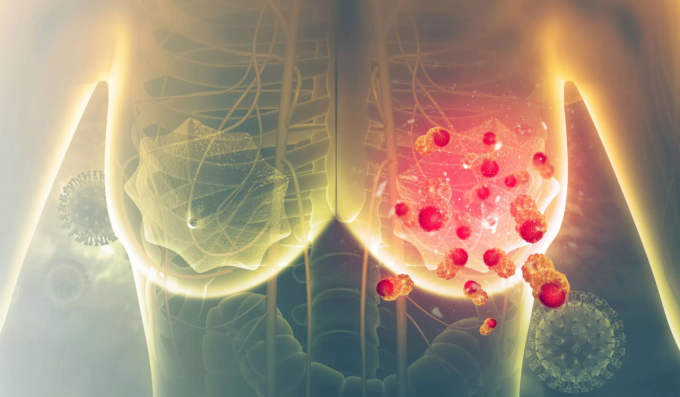
Breast cancer develops when cells in the breast begin to grow in an uncontrolled way. While it can occur in both men and women, it is significantly more common in women. The disease can originate in different parts of the breast, including the lobules where milk is produced, the ducts that carry milk toward the nipple, or the surrounding connective tissue. Over time, if left undetected or untreated, cancerous cells can invade nearby tissue or travel to other parts of the body through a process known as metastasis.
The most common types
Breast cancer is not a single disease. It presents in several distinct forms, each with its own characteristics and implications. Ductal carcinoma in situ, often referred to as DCIS, is a non-invasive form confined to the ducts. Invasive ductal carcinoma begins in the ducts and spreads into surrounding tissue. Invasive lobular carcinoma originates in the lobules and can also spread outward. Inflammatory breast cancer is a rarer and more aggressive form, typically presenting with redness and visible swelling of the breast. Paget’s disease affects the skin of the nipple and can resemble eczema in its early appearance.
Who is at risk
Breast cancer can affect anyone, but certain factors are known to increase a person’s likelihood of developing it. Age plays a significant role, with risk rising as people grow older. A family history of breast or ovarian cancer, particularly involving genetic mutations in the BRCA1 or BRCA2 genes, raises the risk considerably. Postmenopausal hormone therapy, obesity, a sedentary lifestyle, excessive alcohol consumption, early onset of menstruation, late menopause, never having children, or having a first child after the age of thirty are all recognized as contributing factors.
Recognizing the symptoms
In its early stages, breast cancer does not always produce noticeable symptoms, which makes regular screening particularly valuable. When symptoms do appear, the most commonly reported include a lump or mass in the breast or armpit, often painless to the touch. Changes in the size or shape of the breast, a dimpling or puckering of the skin sometimes described as an orange-peel texture, redness or flaking around the nipple, nipple inversion, or an unusual discharge from the nipple are all signs that warrant prompt medical attention. Some people also experience persistent pain in the breast or nipple, localized swelling, or a lasting sensation of burning or itching.
How breast cancer is diagnosed
Early and accurate diagnosis is central to successful treatment outcomes. A mammogram, which is an X-ray of the breast, remains the most widely used screening tool for detecting abnormalities. Breast ultrasound can help distinguish between a fluid-filled cyst and a solid mass. Magnetic resonance imaging is recommended for women at elevated risk or with particularly dense breast tissue. A biopsy, in which a small sample of tissue is removed and analyzed in a laboratory, is the method that confirms a cancer diagnosis. Genetic testing may also be recommended when there is a significant family history of the disease.
Medical treatment options
Treatment for breast cancer has advanced considerably and is now tailored to the specific type, stage, and characteristics of each individual case. Surgery remains a common first step. A lumpectomy removes the tumor along with a small margin of surrounding tissue, while a mastectomy involves removing one or both breasts either partially or completely. A sentinel lymph node biopsy may be performed to determine whether the cancer has spread beyond the breast.
Radiation therapy uses targeted rays to destroy remaining cancer cells and is frequently recommended following breast-conserving surgery. Chemotherapy delivers powerful medications that attack cancer cells throughout the body and may be administered either before surgery to shrink a tumor or afterward to reduce the risk of recurrence. Hormone therapy is used when a cancer tests positive for estrogen or progesterone receptors, blocking the hormones that fuel tumor growth. Medications such as tamoxifen and aromatase inhibitors including letrozole and anastrozole are commonly prescribed in this category.
Targeted therapy focuses on specific proteins found in cancer cells, with trastuzumab, also known as Herceptin, being a well-known example used in HER2-positive breast cancer. Immunotherapy, which strengthens the body’s own immune response to attack cancer cells, continues to expand as a treatment option for specific cases.
Natural and complementary approaches
While natural therapies are not a replacement for medical treatment, many people find that certain complementary approaches can meaningfully support their overall wellbeing during and after treatment. An anti-inflammatory diet rich in cruciferous vegetables such as broccoli, kale, and cauliflower, antioxidant-rich fruits like berries, pomegranate, and dark grapes, and healthy fats from sources like avocado, olive oil, and chia seeds can help the body maintain strength. Turmeric, consumed with black pepper for better absorption, is a well-known anti-inflammatory food. Green tea is another widely studied antioxidant that may support prevention of recurrence.
Herbal supplements and nutrients such as cat’s claw, which supports immune function, astragalus, vitamin D, omega-3 fatty acids, and probiotics for gut health have all been studied for their potential benefits in supporting people living with or recovering from breast cancer. Therapies including acupuncture, yoga, meditation, aromatherapy, and therapeutic massage can help manage pain, reduce anxiety, improve sleep quality, and ease the emotional burden of treatment.
Prevention and early detection
While breast cancer cannot be entirely prevented, there are meaningful steps people can take to reduce their risk. Maintaining a healthy weight, engaging in at least 150 minutes of physical activity each week, limiting alcohol intake, avoiding tobacco, and breastfeeding when possible are all supported by research as protective behaviors. Limiting or avoiding postmenopausal hormone therapy is also advised for those with elevated risk.
Monthly breast self-examinations, regular medical checkups at least once a year, and mammograms beginning at age forty or earlier for those with a genetic predisposition are all strongly encouraged. Early detection is consistently the most powerful factor in improving outcomes.
The physical and emotional weight of the disease
Breast cancer carries consequences that extend well beyond the physical. Chronic postoperative pain, extreme fatigue from radiation or chemotherapy, nausea, hair loss, and potential effects on fertility are among the physical challenges people face. Emotionally, many individuals experience anxiety, depression, disrupted body image, fear of recurrence, and changes in their intimate lives. Socially and financially, the disease can bring periods of isolation, difficulty maintaining employment, significant medical expenses, and reliance on caregivers for extended periods.
Survival, recovery, and life beyond diagnosis
Thanks to continued advances in medicine, the five-year survival rate for breast cancer detected in its early stages now exceeds ninety percent. Modern treatment approaches aim not only to cure the disease but to preserve and restore quality of life. Many people live for decades after their diagnosis, supported by individual or group psychotherapy, physical rehabilitation, breast reconstruction, and the steady presence of family and community.
Survivors of breast cancer frequently become advocates, educators, and sources of genuine inspiration for others navigating the same path. Their voices help dismantle fear and encourage earlier screening across communities.
Final thoughts
Breast cancer is a serious disease, but it is also one of the most studied and treatable conditions in modern medicine when caught early. Combining medical care with supportive natural therapies, honest emotional processing, and a strong network of care makes a measurable difference in how people move through and beyond a diagnosis.
Education, prevention, and compassionate support are the foundation of everything. Whether you are navigating this personally or standing beside someone who is, knowledge and consistent attention remain the most reliable tools available.