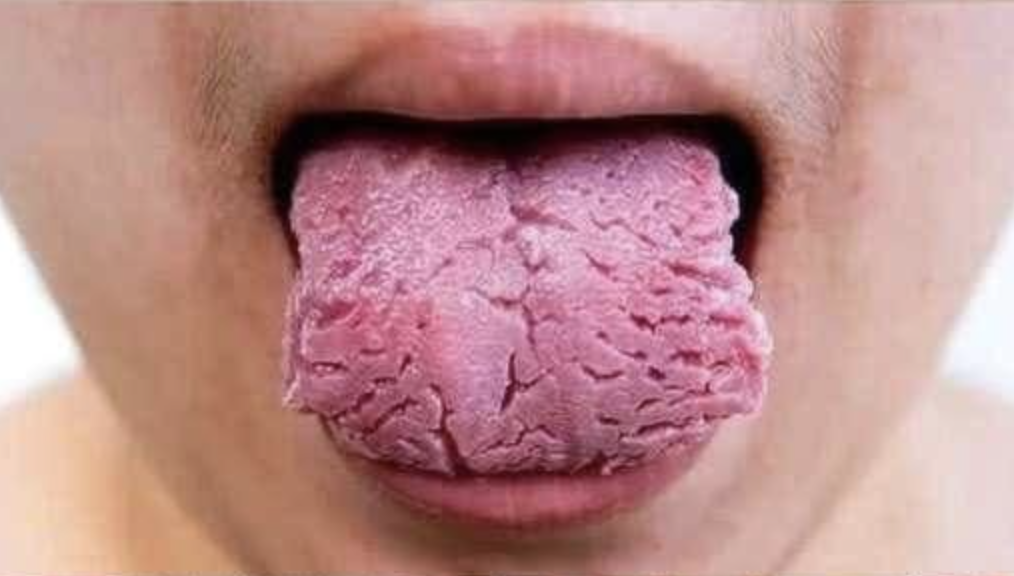
Many older Americans begin their mornings by glancing in the mirror and noticing a subtle change that feels unfamiliar. The tongue looks pale or coated in white. At first, it may seem harmless, easy to attribute to dry air, sleep, or something eaten the night before. Yet the tongue often serves as a quiet messenger for the body, offering clues that deserve attention.
For adults over 60, awareness of small physical changes becomes increasingly important. The tongue can reflect hydration levels, oral hygiene habits, immune balance, and even medication effects. Some causes are mild and respond quickly to small adjustments, while others signal the need for medical guidance. Understanding why a white coating appears helps protect comfort, confidence, and overall well-being.
A healthy tongue typically appears pink, slightly moist, and free from thick residue. When it takes on a white or patchy look, something in daily routine or health may need support. In many situations, simple steps lead to noticeable improvement.
Below are the most common reasons a white tongue appears in older adults and what can be done to address each one.
Poor Oral Hygiene and Its Hidden Effects
One of the most frequent causes of a white tongue relates to daily mouth care. As people age, brushing and flossing can become more challenging due to sensitive gums, reduced mobility, dentures, or joint stiffness. When the tongue is overlooked during oral care, bacteria, food particles, and dead cells collect on its surface.
The tongue contains many small grooves that easily trap debris. When saliva production decreases, often due to age or medication use, this buildup becomes more visible, especially toward the back of the tongue.
Gentle tongue cleaning with a soft toothbrush or tongue scraper helps remove residue without irritation. Rinsing the mouth after meals and keeping up with dental checkups also supports oral health. For older adults, mouth care affects digestion, appetite, and comfort, making it an essential part of daily wellness.
Dehydration and the Aging Body
Dehydration plays a major role in white tongue development and occurs more often in seniors than many realize. The sensation of thirst becomes less reliable with age, and some medications further reduce saliva production.
When the mouth lacks moisture, it loses its natural cleansing ability. The tongue dries out, allowing bacteria to remain on the surface. This often leads to a pale appearance, unpleasant breath, or a sticky sensation.
Drinking water regularly throughout the day supports saliva flow and helps keep the tongue clean. Hydration also benefits joints, digestion, circulation, and mental clarity. A white tongue can act as an early reminder that the body needs more fluids.
Oral Thrush and Immune Balance
In some cases, a white tongue points to oral thrush, a yeast overgrowth that appears as thick, creamy patches. These areas may feel tender and can bleed slightly if disturbed.
Oral thrush occurs more often in older adults with diabetes, weakened immune systems, or those using antibiotics, inhalers, or steroid medications. Denture wearers may face higher risk if dentures are not cleaned thoroughly.
Unlike surface buildup, thrush patches tend to persist and cause discomfort. Medical evaluation is important, as treatment helps restore balance and prevent recurrence. Proper denture care, good oral hygiene, and management of underlying conditions reduce risk.
Dry Mouth and Medication Effects
Many seniors take several medications daily, and dry mouth remains a common side effect. Blood pressure treatments, allergy medications, antidepressants, and sleep aids often reduce saliva production.
When dryness continues, the tongue becomes more prone to coating and discoloration. Bacteria multiply more easily in this environment, leading to changes in taste and comfort.
Managing dry mouth may involve discussing medication options with a healthcare provider, increasing water intake, or using sugar-free lozenges to stimulate saliva. Breathing through the nose during sleep rather than the mouth may also help reduce dryness.
Diet, Lifestyle, and Daily Habits
Diet strongly influences oral health. High sugar intake encourages bacterial growth, while smoking and alcohol use dry and irritate mouth tissues.
Balanced meals rich in fruits, vegetables, and fiber support saliva production and oral cleanliness. Limiting acidic drinks and sugary snacks protects the tongue and teeth.
Sleeping with the mouth open can dry the tongue overnight, leading to a white coating by morning. Addressing nasal congestion or adjusting sleep position may help.
When to Seek Professional Advice
A white tongue that improves with better hydration and hygiene usually does not signal serious concern. However, if it lasts for several weeks, causes pain, or appears with difficulty swallowing or soreness, medical evaluation is recommended.
For older adults, early attention often prevents discomfort from worsening. The body communicates quietly, and the tongue frequently provides early insight.
Listening to Subtle Signals
Aging brings insight, resilience, and a deeper connection to one’s body. It also calls for attentiveness to small changes.
A white tongue may signal the need for more water, improved oral care, a medication review, or professional guidance. Taking time each day to care for oral health supports comfort, dignity, and quality of life.
Sometimes, the smallest signs offer the clearest messages.